


Some dog breeds have a harder time staying at a healthy weight, no matter how careful the feeding routine is. Their big appetite, low energy, or talent for begging can make it easy for the pounds to creep on. That extra weight adds up fast and can lead to long-term health issues if it isn’t managed early.
These breeds are more prone to packing on pounds and often need closer attention when it comes to portions, treats and daily movement. Knowing what to watch for makes it easier to help them stay fit and avoid unnecessary health risks.


Labrador Retriever


Labradors are known for their affectionate personalities and boundless energy, but they are also infamous for their constant hunger. This breed will eat almost anything, including things that were never meant to be food. Their enthusiasm for meals combined with a tendency to overeat makes them one of the most weight-prone breeds. Regular exercise and strict portion control are essential to help prevent unnecessary weight gain and maintain their long-term health.
Beagle


Beagles have one of the strongest noses in the dog world, and they use it to track down food at every opportunity. Their small stature and persistent foraging behavior put them at high risk for gaining weight, especially if treats or table scraps are handed out too freely. Beagles need daily exercise and a well-managed diet to stay within a healthy weight range. Without structure, they can become overweight surprisingly fast.
Pug


Pugs are natural couch lovers and tend to favor napping over running around. Their compact size and low activity level make it easy for them to put on weight, even with modest overfeeding. Because of their flat faces, exercise can be more challenging, so keeping their portions under control is critical. Healthy treats, short walks, and consistent feeding habits can help reduce their risk of obesity-related health issues.
Bulldog
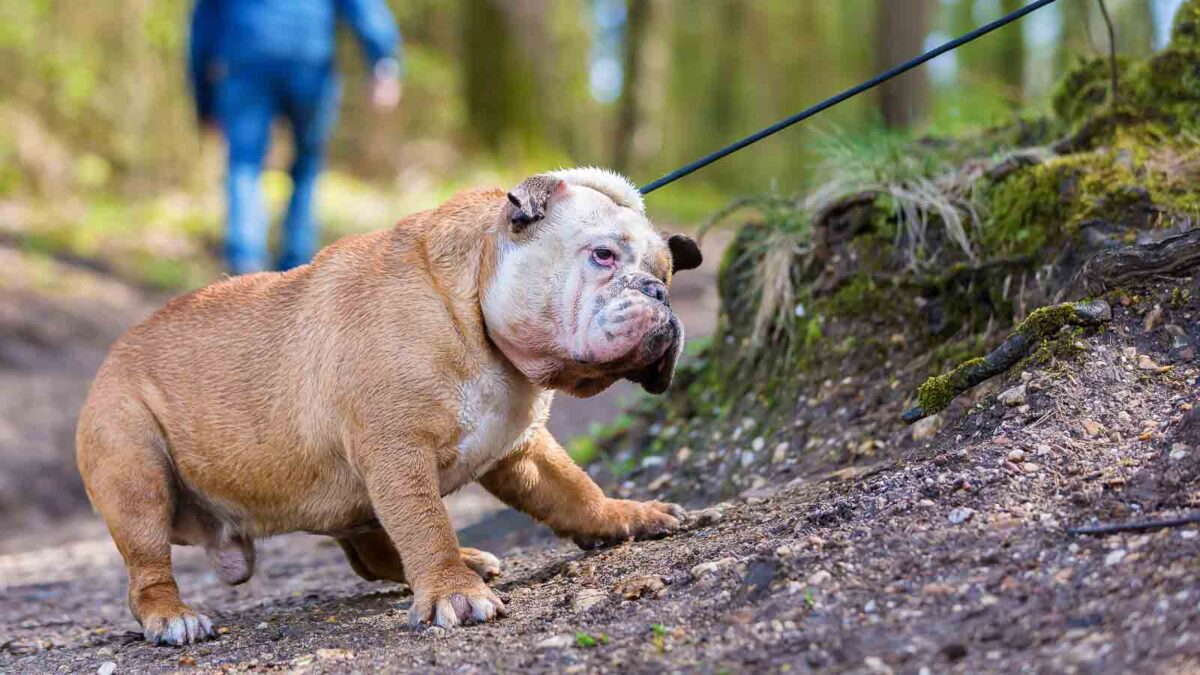

Bulldogs have a laid-back personality and a body type that is naturally stocky. While that makes them cute and charming, it also means they burn calories more slowly than active breeds. This combination makes weight management more difficult, especially if food is always available or treats are used too frequently. Encouraging short bursts of activity and being mindful about calorie intake are key to keeping Bulldogs healthy.
Dachshund


The Dachshund’s long back and short legs are particularly vulnerable to weight gain. Extra pounds can put stress on their spine and increase the risk of back problems. These dogs tend to have big appetites and are not shy about begging for food. Their size means even small amounts of excess food can quickly lead to weight issues. Careful meal planning and portion control help protect their joints and spine over time.
Basset Hound


Basset Hounds are naturally slow movers and are more interested in sniffing around than staying active. Their sturdy build and droopy expressions often lead to extra treats, especially when they turn on the charm. However, their low energy levels and thick frame make them especially prone to obesity. Regular walks and a consistent feeding schedule are important for maintaining their weight and supporting joint health.
Cocker Spaniel


Cocker Spaniels are sweet-natured and highly food motivated, which can lead to overeating if not monitored. Their love for snacks and tendency to be less active as they age puts them at risk for weight gain. Their long coats can also hide early signs of extra weight, so regular weigh-ins and body checks are helpful. A mix of play, walks, and limited treats keeps them on track.
Golden Retriever


Golden Retrievers are family favorites thanks to their friendly and eager-to-please nature. That same eagerness extends to food, and they often continue eating even when full. Without consistent exercise and mindful feeding habits, they can easily gain weight. Their large size can make the gain less noticeable at first, but over time it can lead to serious joint and heart problems. Regular activity and measured meals are essential for this breed.
Rottweiler

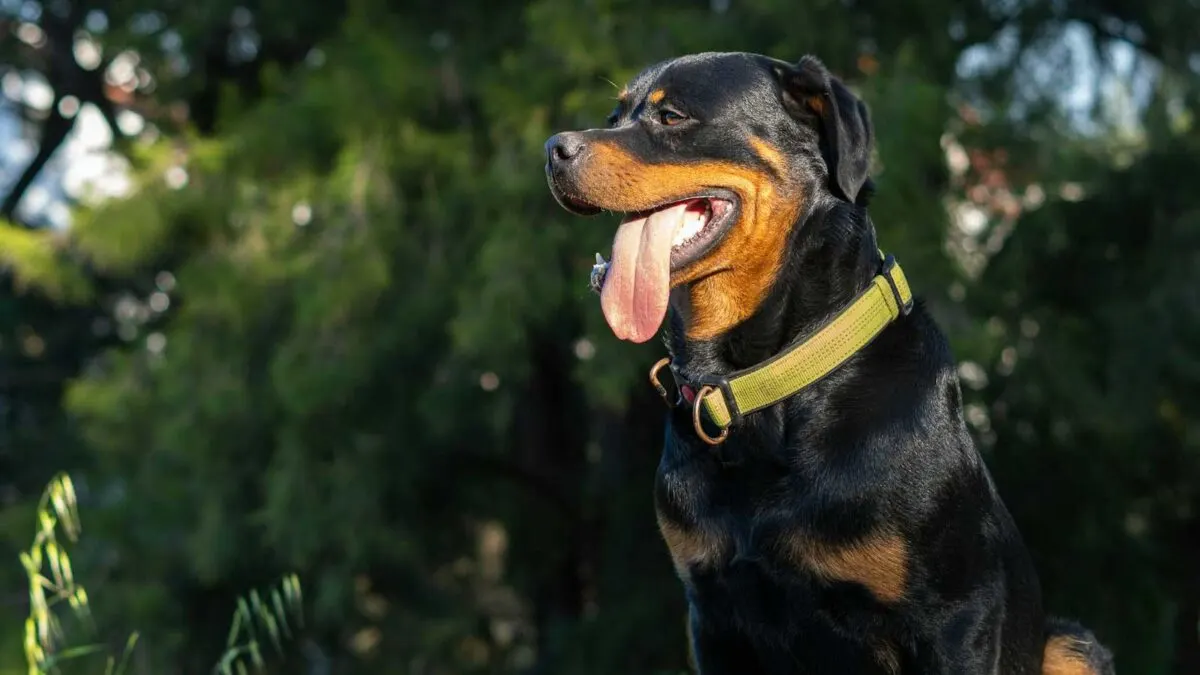
Rottweilers are powerful and athletic but can be prone to weight gain if not given enough physical activity. Their large frame hides excess weight easily, which can delay early intervention. A sedentary lifestyle and high-calorie diet can quickly tip the balance. To keep them healthy, Rottweilers need structured exercise routines and feeding plans that match their energy output.
Boxer


Boxers are high-energy dogs when young, but they often slow down as they get older. Without adjustments to their diet and routine, this drop in activity can lead to unwanted weight gain. They also tend to love treats and human food, which adds to the challenge. Keeping them mentally and physically engaged while staying consistent with feeding times can help prevent excess weight from becoming a problem.
Newfoundland


Newfoundlands are gentle giants with a relaxed attitude and a strong love for food. Their size often masks early signs of weight gain, and their slower pace makes it harder to burn off extra calories. They do best with a well-monitored diet and regular movement, such as swimming or long walks. Weight management is especially important for this breed because carrying extra pounds can put strain on their joints and heart.
Meet The 12 Laziest Dog Breeds That Just Want To Lounge


When you think of big dogs, you probably imagine them running around with endless energy. But some large breeds are surprisingly lazy and love nothing more than lounging around. If you’re looking for a laid-back companion who prefers chilling on the couch over endless playtime, these dogs might be perfect for you.
Read it Here: Meet The 12 Laziest Dog Breeds That Just Want To Lounge
9 Ways To Help Your Dog Lose Weight Without Them Feeling Deprived


We all love to spoil our dogs, but sometimes those extra treats and table scraps start to show—on the scale. If your dog’s waistline is expanding but they’re giving you those puppy eyes like you’re starving them, there’s no need to panic. Helping your dog lose weight doesn’t mean they have to feel deprived or miss out on their favorite things. There are plenty of ways to help them shed some pounds while keeping them happy, and yes, still indulging in the occasional snack (just the right ones!).
Read it Here: 9 Ways To Help Your Dog Lose Weight Without Them Feeling Deprived
*Select images provided by Depositphotos.