


Some dogs just aren’t built for hot, humid weather. Thick coats, flat faces, and low heat tolerance can turn a sunny afternoon into a serious risk. Living in the South means long summers, high temperatures, and heavy air that doesn’t let up. Certain breeds struggle more than others and need extra care to avoid overheating. If you live below the Mason-Dixon line and own one of these dogs, it’s important to know how vulnerable they are in the heat and adjust their routine accordingly.


Bulldog
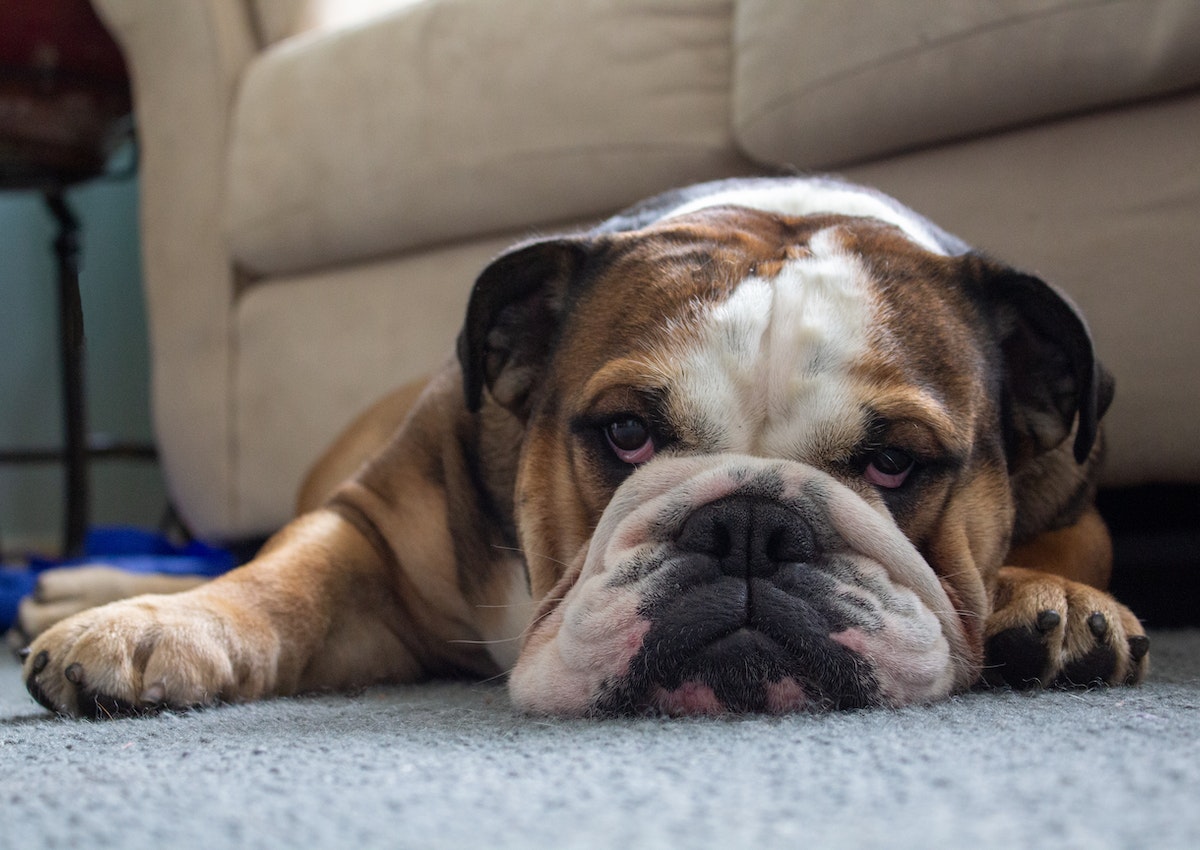

Bulldogs do not do well in the heat. Their short snouts make breathing harder, especially when temperatures rise. Combine that with their stocky bodies and low stamina, and you have a dog that’s better off staying inside with the AC on. Southern heat can be overwhelming for them, and overheating can happen fast.
Pug


Pugs are another breed that struggles with hot weather. Their flat faces limit airflow and make it harder for them to regulate temperature. High humidity only adds to the problem. Pugs in the South need to stay indoors during peak heat hours and should always have access to cool water and a shady spot.
French Bulldog
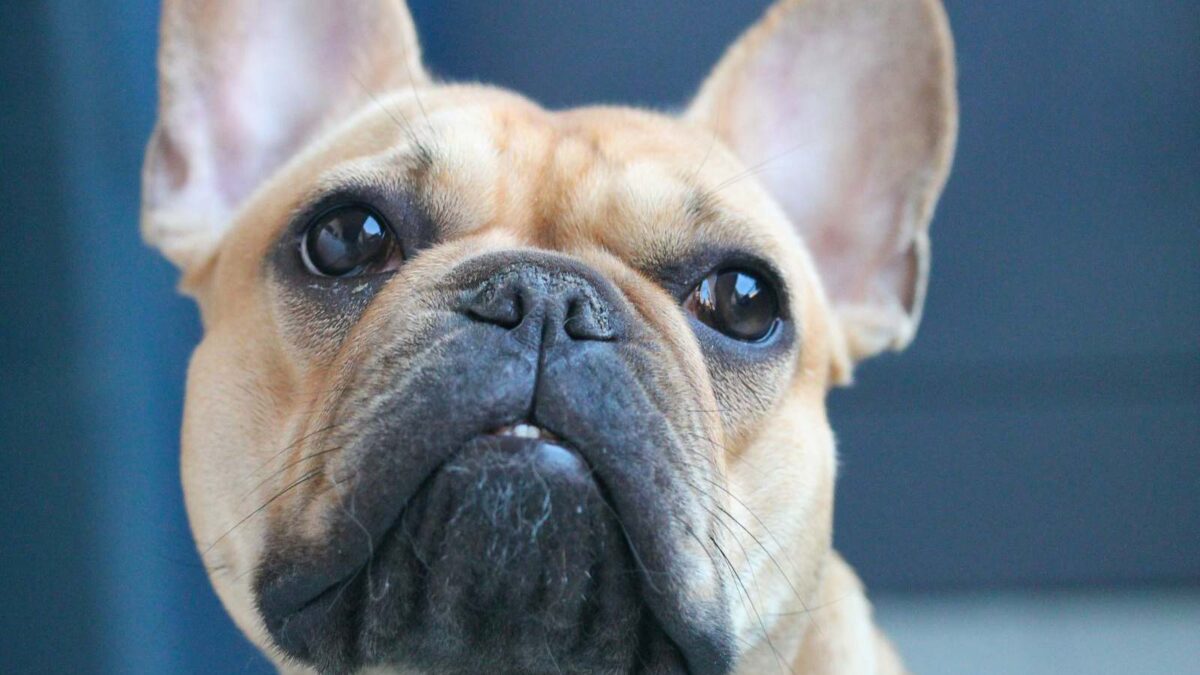

French Bulldogs are charming companions, but they are not cut out for warm, humid climates. Their compact airways and snub noses mean they overheat easily. In the South, even a short walk can become a risk. Keep them cool, limit their outdoor time, and never leave them in a warm car, even briefly.
Shih Tzu

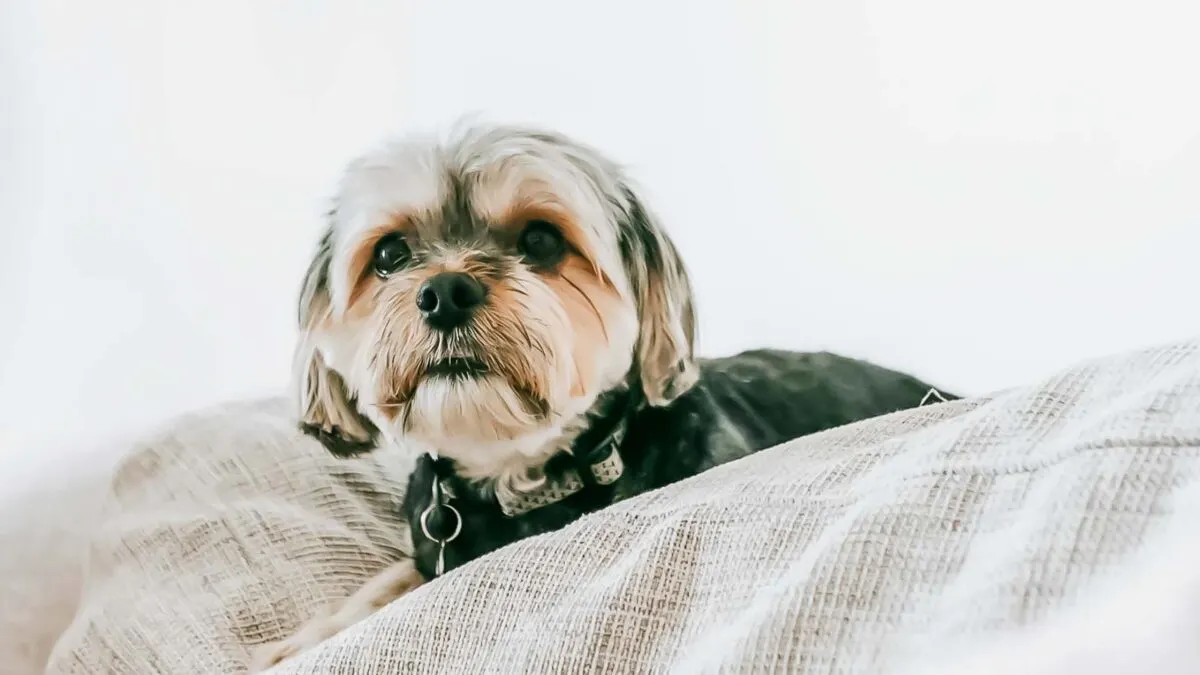
The Shih Tzu’s long, dense coat traps heat and makes summer weather especially difficult. These dogs need regular grooming to manage their coats and should avoid any heavy activity during the day. Southern heat is no match for them unless they’re kept indoors in a climate-controlled space.
Boxer


Boxers are energetic and love to play, but their short noses make heat regulation difficult. In the South, their activity levels need to be closely monitored. Exercise should happen in the early morning or after sunset. Otherwise, they risk overheating from just a little time outdoors.
Boston Terrier


Boston Terriers are small and sleek, but their facial structure puts them at a disadvantage in the heat. In southern states, even casual outdoor time can be too much. They do best with short walks, lots of breaks, and a place to cool down. Always watch for signs of heat stress.
Chow Chow


Chow Chows have thick double coats that act like insulation, which works against them in hot climates. They can overheat quickly if left outside too long. Grooming helps, but it’s not enough to make southern heat safe. These dogs should live in cool, shaded areas with minimal time outdoors.
Pekingese
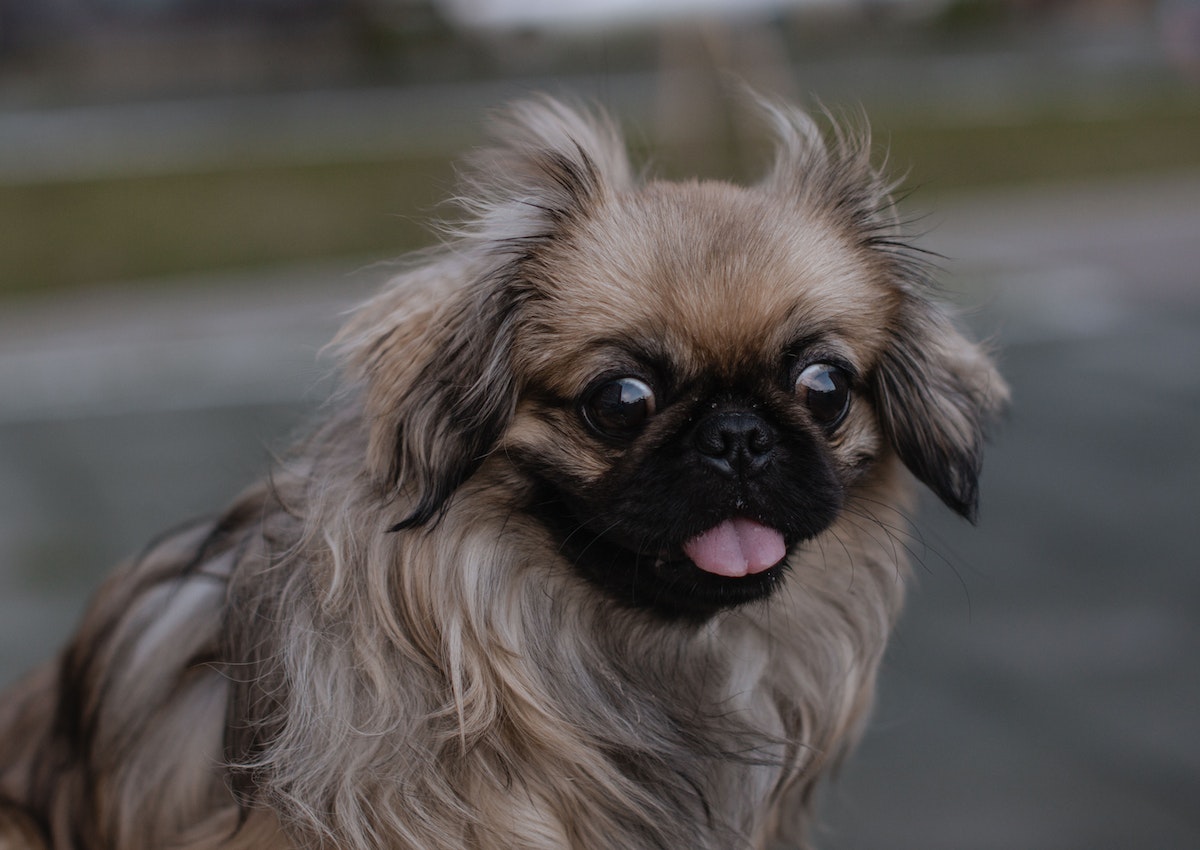

Flat-faced and long-haired, Pekingese dogs have two major strikes against them in the South. They don’t handle heat well and often struggle to cool themselves down. Long walks or outdoor activities should be avoided, and they should always have access to a cool, quiet spot indoors.
Akita


Akitas are bred for cold weather and have thick coats that retain heat. That makes them a poor match for hot, humid regions. They need to be kept indoors as much as possible when it’s hot and should never be expected to tolerate full days outside in the sun.
Saint Bernard


Saint Bernards are built for snow and cold mountains, not sticky summer days in the South. Their size and heavy coats trap body heat, which can quickly turn dangerous. They require constant access to shade, water, and ideally, air conditioning. Limit their outdoor exposure to short, necessary outings.
Newfoundland


Newfoundlands are massive dogs covered in dense, water-resistant coats meant for icy conditions. They are among the worst breeds for southern climates. Hot weather can lead to heatstroke in minutes. They need cold environments, and in warm regions, that means staying indoors with fans or AC running.
13 Dogs That Are Not Cut Out For Cold Winter Climates


Just like people, some dogs love the cold, while others would rather skip winter altogether. Some breeds are like those friends who’d happily trade snowflakes for a tropical beach or a cozy spot by the fireplace. These dogs aren’t built for icy weather—whether it’s due to their thin coats, smaller size, or lack of body fat, they feel the chill fast. If you’re in a colder climate and thinking of bringing one of these breeds home, be ready for some serious bundling up.
Read it Here: 13 Dogs That Are Not Cut Out For Cold Winter Climates
15 Dog Breeds Built For Extreme Weather And How They Thrive


Certain dog breeds are purpose-built for the harshest conditions, thriving in environments most would avoid. From the icy tundras of Siberia to the snowy peaks of the Himalayas, these dogs have the physical traits and resilience needed to endure extreme weather. Their thick coats, boundless energy, and adaptability make them essential companions for tough climates. Whether herding, guarding, or pulling sleds, they excel where durability and strength are non-negotiable.
Read it Here: 15 Dog Breeds Built For Extreme Weather And How They Thrive
*Select images provided by Depositphotos.