

You probably feed your dog the same way every day without giving it much thought. Maybe the water bowl sits a little too long, or the food bag stays open between scoops. Over time, small routines like these can affect everything from digestion to dental health and even how eager they are to eat. Paying attention to the basics of mealtime helps your dog stay healthy and keeps their quality of life strong well beyond puppyhood.


Leaving food out all day


Keeping a full bowl on the floor may feel easy, but it disrupts your dog’s natural rhythm and invites overeating. Dogs do best with set meal times that help regulate digestion and signal when to expect food. Grazing all day encourages weight gain and can lead to food guarding or picky eating. Scheduled feedings also help you notice changes in appetite early, which is often the first sign of an underlying health issue.
Sharing too many people foods


Passing bits of dinner to your dog might seem harmless, but many human foods cause stomach distress or worse. Even small amounts of onions, grapes, chocolate, or fatty leftovers can trigger serious health problems. Beyond safety concerns, extra calories from scraps can lead to weight gain and unbalanced nutrition. Keep people food off the menu and reward with dog-safe treats so your dog’s diet stays consistent and safe.
Guessing portions instead of measuring


Scooping food by eye almost always adds extra calories. Over time, those extra bites translate to more weight and strain on joints, heart, and metabolism. Using a dedicated measuring cup ensures you serve the right amount for your dog’s age, size, and activity level every day. Consistency not only keeps weight steady but also supports digestive health and stable energy.
Overdoing the treats

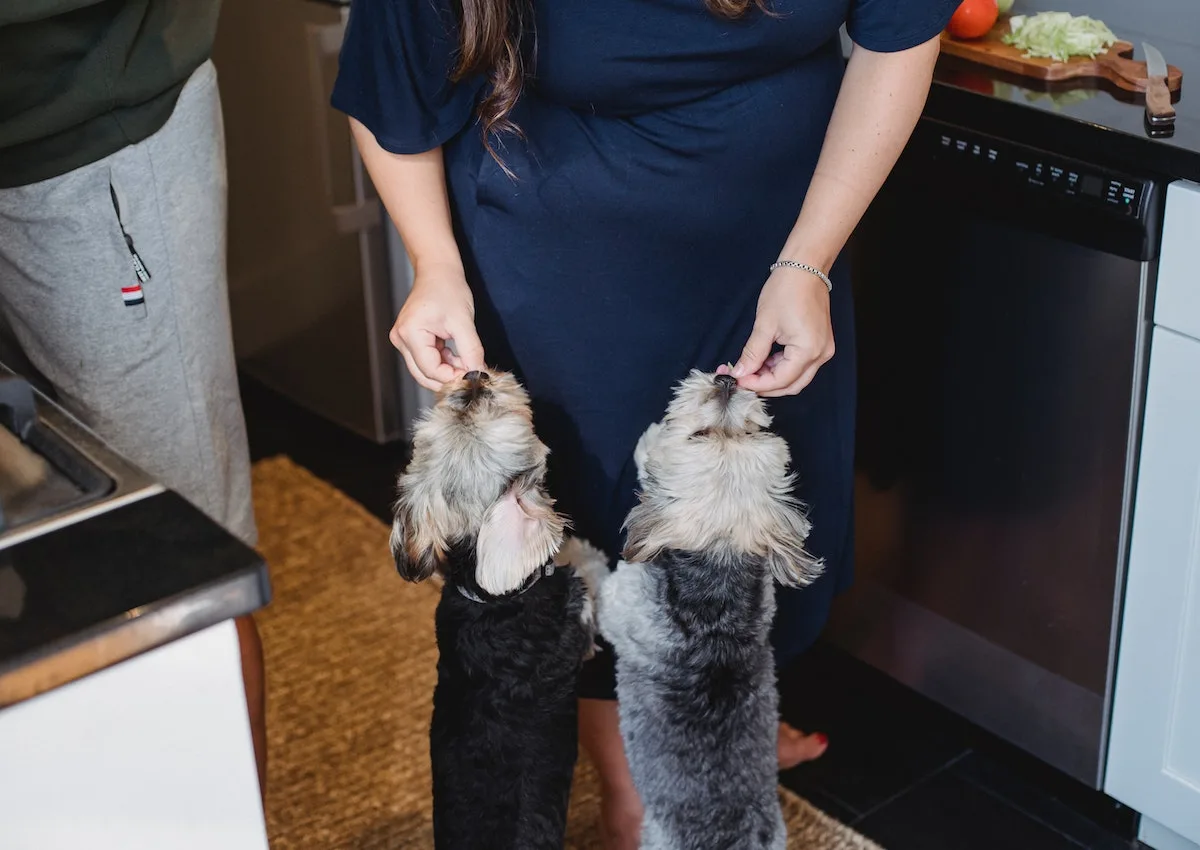
Treats are powerful training tools, but they should never crowd out regular meals. More than ten percent of daily calories in treats can throw off nutritional balance and cause weight gain. It can also make your dog less excited for their main food, leading to picky eating. Track how many treats you give and choose low-calorie or nutrient-rich options so rewards stay healthy and effective.
Offering bones from your plate


Cooked bones splinter easily and can puncture or block a dog’s digestive tract, and even raw bones come with risks like cracked teeth or bacterial contamination. The habit of tossing leftovers may feel natural but it puts your dog in danger. Choose vet-approved chews or sturdy rubber toys to satisfy the need to chew without risking internal injuries or emergency vet visits.
Changing foods too quickly


A sudden switch from one food to another can upset your dog’s stomach and cause diarrhea, vomiting, or refusal to eat. Their digestive system needs time to adjust to new proteins, grains, or fats. Gradually mix a small amount of the new food into the current food over a week or more, increasing the new food a little each day. This slow approach protects gut health and keeps meals enjoyable.
Ignoring the ingredient list


Not all pet food is created equal. Bags with vague terms like “meat by-products” or “animal fat” may hide poor quality ingredients and unnecessary fillers. Artificial colors and preservatives add no nutritional value and can cause health issues over time. Reading every label and choosing food with clear proteins, whole grains, and vegetables ensures your dog gets the nutrients they need for long-term health and energy.
Using plastic bowls


Plastic bowls can scratch and harbor bacteria that irritate skin and cause infections around the mouth. Over time they can also leach chemicals into food and water, especially if left in sunlight or cleaned with harsh detergents. Stainless steel or ceramic bowls are more durable, easier to clean thoroughly, and safer for your dog. Regular washing with warm water and mild soap keeps meals and water fresh.
Letting water sit for days


Fresh water is as important as food. Leaving water unchanged lets bacteria and slime build up on the bowl and discourages drinking, which can lead to dehydration and urinary problems. Empty and refill your dog’s bowl at least once a day and wash it frequently to keep water appealing and safe. Clean water supports every function in the body from digestion to joint health.
Overlooking expiration dates and storage
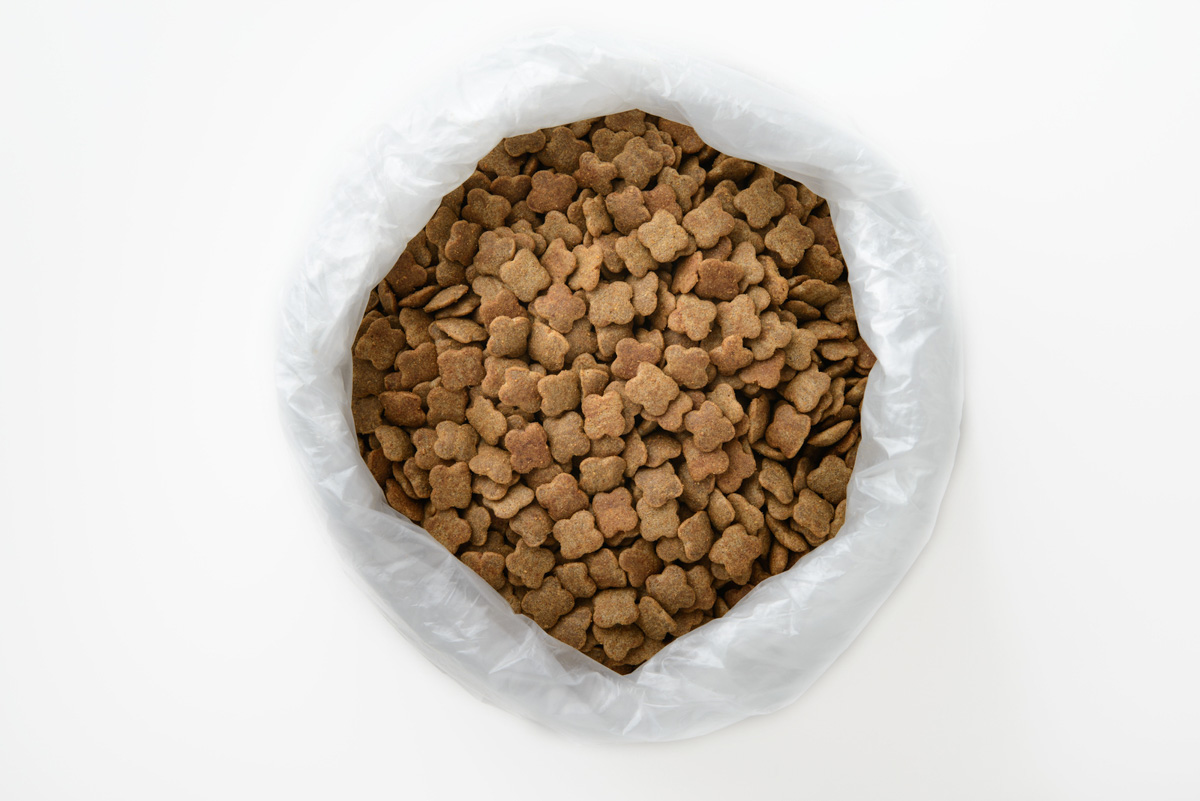

Dog food loses freshness and nutrients over time. Old kibble can become stale or contaminated with mold and bacteria, even if it still smells fine. Always check the date on the bag or can and store food in a sealed container in a cool, dry spot to maintain its quality. Feeding within the recommended time after opening keeps each meal safe and ensures your dog gets the nutrition the label promises.
10 Reasons Why Your Dog Is Constantly Begging For Food


If your dog’s turned into a full-time beggar, it’s probably driving you nuts. Those big, pleading eyes can be hard to resist, but constant begging isn’t just about wanting a snack—it’s often a sign of something else going on. Whether they’ve learned that persistence pays off or they’re just bored out of their minds, there are plenty of reasons why your pup might be driving you crazy at mealtime.
Read it Here: 10 Reasons Why Your Dog Is Constantly Begging For Food
10 Tips For Choosing The Best Dog Food


Choosing dog food these days feels like you need a degree in canine nutrition. The options are endless, and it’s almost as complicated as picking out your own groceries. Grain-free, organic, raw – who knew dog food could be so fancy? It’s enough to drive any dog owner nuts. But fear not, we’ve got the lowdown to help you cut through the nonsense. Here are 10 tips to help you choose the best dog food without going crazy.
Read it Here: 10 Tips For Choosing The Best Dog Food
*Select images provided by Depositphotos.