

There are certain dog breeds that come into a conversation and instantly divide it. One person calls them loyal, brilliant or misunderstood, while someone else starts listing reasons they’d never own one. A lot of that comes down to expectations. Certain breeds bring strong instincts, intense personalities or health realities that don’t fit every household. That doesn’t make them bad dogs. It just means they aren’t neutral. These breeds spark debate, draw strong loyalty from their fans and just as much hesitation from their critics.

Pit Bull Terrier


Few breeds generate as much discussion as the Pit Bull. Owners often describe them as deeply affectionate, people-focused and incredibly loyal once bonded to their family. Many are steady with kids and thrive when given structure and clear boundaries.
At the same time, decades of media coverage and misuse have shaped public perception in a way that’s hard to undo. Housing restrictions, insurance policies and stigma follow the breed in many areas. Supporters argue that environment and training matter most, while critics focus on strength and potential risk. That tension keeps the conversation active.
Chihuahua


Chihuahuas have a way of commanding attention that far exceeds their size. Devoted owners love their confidence and the way they attach closely to one person. They’re portable, adaptable to small living spaces and often surprisingly bold.
Others struggle with the barking, reactivity and tendency to guard their chosen human. Without consistent boundaries, their small size can lead people to excuse behaviors they wouldn’t tolerate in a larger dog. For some, they’re charming and expressive. For others, they feel like constant management.
German Shepherd


German Shepherds are widely respected for intelligence, trainability and loyalty. They excel in working roles because they’re driven, observant and responsive to direction. In the right home, that focus translates into a deeply bonded family dog.
The flip side is that their intensity can overwhelm inexperienced owners. They require structure, socialization and mental engagement. Without that, protective instincts can turn into reactivity. Admirers see a capable, dependable partner. Critics see a breed that demands more than many households are prepared to give.
Dachshund


Dachshunds win people over with their unique build and oversized personality. They’re brave, curious and often extremely attached to their families. Many owners appreciate their playful stubbornness and strong sense of independence.
That same independence can show up as resistance to training or persistent barking. Their hunting background means they’re wired to chase and alert. For some families, that spark is entertaining. For others, it feels like a constant challenge in a small body.
Siberian Husky
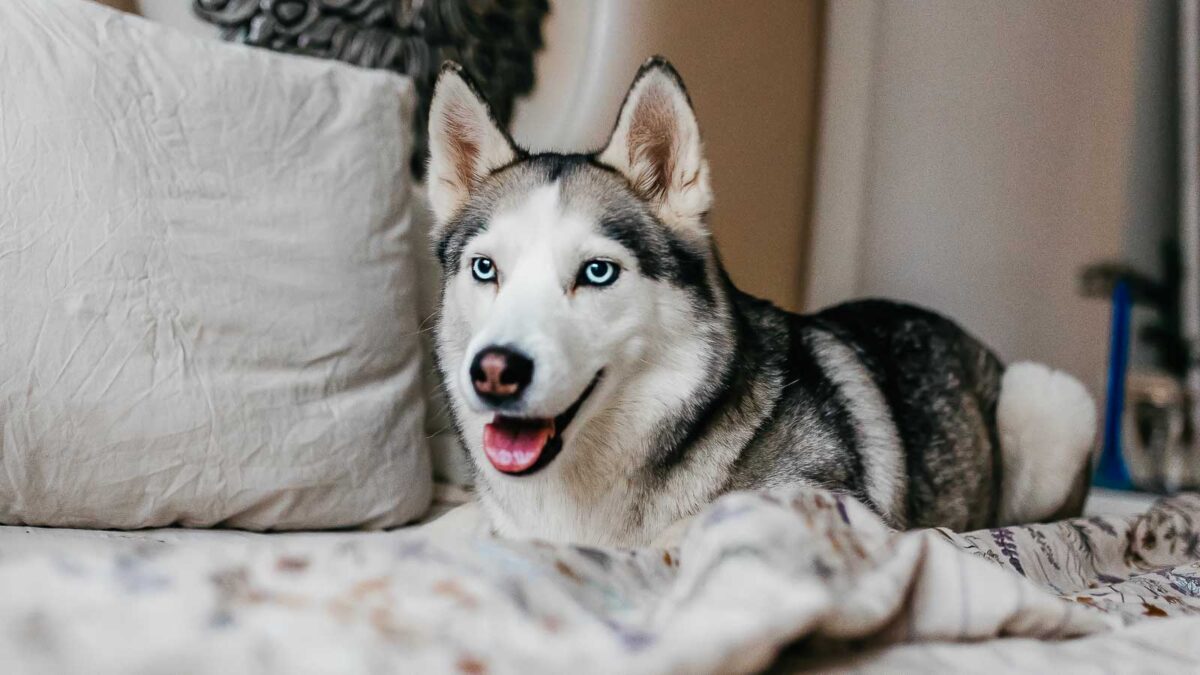

Huskies attract attention everywhere they go. Their striking appearance and expressive nature make them hard to ignore. Owners who embrace their energy often describe them as social, funny and deeply engaging.
They also require significant exercise, consistent containment and tolerance for independence. Huskies are known escape artists, and their vocalizations aren’t subtle. In active homes that understand the commitment, they thrive. In more relaxed settings, they can quickly become overwhelming.
Bulldog


Bulldogs are loved for their calm presence and distinct look. Many owners describe them as affectionate, steady companions who are content with a slower pace of life.
At the same time, health concerns are impossible to ignore. Breathing difficulties, joint issues and other structural problems raise ongoing ethical questions about breeding practices. For some, their personality outweighs the drawbacks. For others, the medical realities are reason enough to step back.
Rottweiler


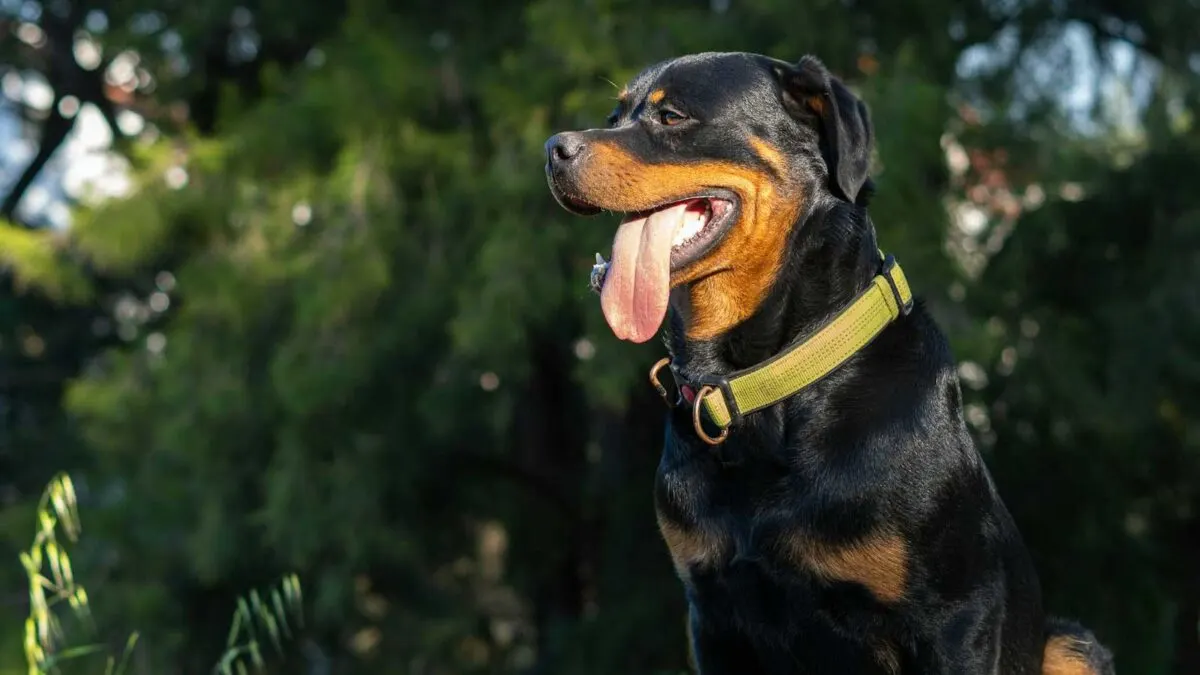
Rottweilers are confident, physically powerful dogs that bond strongly with their families. In stable homes with consistent leadership, they’re often steady and affectionate.
Their size and guarding instincts make some people uneasy, especially when training is inconsistent. Owners tend to emphasize their loyalty and calm demeanor at home, while critics focus on what can happen without proper structure. The divide usually centers on experience and responsibility.
Beagle


Beagles are friendly, social and often wonderful with kids. Their compact size and approachable appearance make them appealing to many families.
They’re also scent-driven hounds with a strong urge to follow their nose. That can mean howling, digging and selective listening outdoors. Owners who understand their hunting background adapt around it. Others find the persistence and vocal nature harder to manage than expected.
Shih Tzu


Shih Tzus are affectionate and thrive on companionship. They adapt well to apartment living and often enjoy a predictable routine.
Their grooming needs require time and consistency, and their stubborn streak can surface during training. For some owners, the upkeep is part of the commitment. For others, the maintenance and occasional attitude make them less appealing than their sweet expression suggests.
Border Collie


Border Collies are often described as the most intelligent of all dog breeds. In homes that provide outlets for their drive, they’re focused, responsive and capable of impressive work.
Without adequate stimulation, that same intelligence can turn into restlessness, fixation or problem behaviors. They’re not content with casual exercise alone. Active households often praise them as unmatched companions. More sedentary owners may feel constantly outpaced.
Dalmatian


Dalmatians have a recognizable look that keeps them popular in media and pop culture. They’re athletic, alert and often deeply bonded to their families.
They also require structured exercise and training to channel their energy appropriately. Some lines are prone to health issues, including deafness. For admirers, they’re distinctive and spirited. For others, the demands and unpredictability can be more than anticipated.
Akita


Akitas are known for loyalty and quiet confidence. They tend to form strong bonds with their household and often carry themselves with calm assurance.
They can also be reserved with strangers and intolerant of other dogs if not properly socialized. Their independence requires experienced handling and firm boundaries. Owners who appreciate their nature often describe them as steady and devoted. Those unfamiliar with their instincts may find them difficult to navigate.
12 Popular Dog Breeds That Veterinarians Avoid Owning Themselves


We all love our furry friends, but some dog breeds come with more baggage than others. Just ask any veterinarian! These popular breeds may be cute and lovable, but they can also be a handful when it comes to health issues. From endless ear infections to chronic hip problems, these dogs keep vets busier than they’d like and it’s for that reason that most vets avoid these breeds for their own pets.
Read it Here: 12 Popular Dog Breeds That Veterinarians Avoid Owning Themselves
15 Most Popular Dog Breeds In America And Why We Love Them


Picking a favorite dog breed is like choosing your favorite pizza topping—impossible, but everyone has an opinion. Some breeds charm their way into our homes (and laps), while others win us over with their goofy antics or regal good looks. The American Kennel Club keeps track of the most popular breeds, and the list says a lot about what we value in our furry companions. Whether it’s loyalty, a playful nature, or just the fact that they look great in a sweater, these dogs have captured hearts nationwide.
Read it Here: 15 Most Popular Dog Breeds In America And Why We Love Them