

Dogs make all sorts of noises. If you’ve lived with them long enough, you start to understand some of them without giving it much thought. You learn which bark means they’re worked up about something outside and which one is just them talking to the room. You pick up on the difference between a whine that comes from uncertainty and one that’s more of a request. These sounds become part of the background of your day, but they also tell you a lot about what your dog feels or needs. Here are some of the common ways dogs use sound to get their point across.


They bark to draw your attention to something they noticed
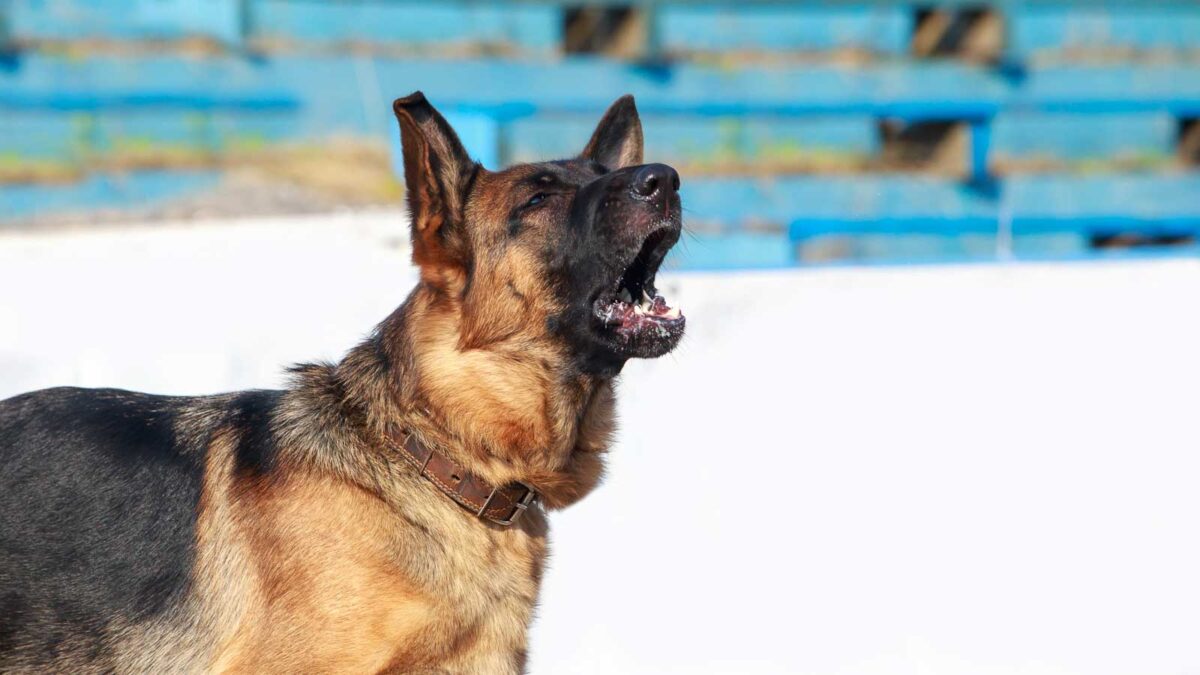

A dog’s bark is often their way of pointing something out long before you see or hear it. They use it to alert you to movement outside, a strange sound, or something that simply feels out of place to them. The tone and speed of the bark shift depending on what they think you should be aware of, which is why you learn to tell the difference over time. It is their direct way of looping you into whatever is happening in their world.
They whine when they need reassurance or want something specific


Whining is a sound dogs rely on when they need a response from you. It can mean they feel uncertain, want attention, or hope you will meet a need they cannot communicate any other way. You can usually tell what they are after based on how close they stay to you and how persistent the sound becomes. They know this noise gets through to people, which is why they use it when they want support or clarity.
They give a long sigh when they settle into a moment


A deep sigh from a dog often shows a shift into relaxation or acceptance. They use it when they have finally found a comfortable spot or when they realize the plan for the day is different from what they hoped for. You can hear a difference between a content sigh and a disappointed one when you spend enough time with them. Either way, it gives you a small window into how they’re feeling.
They huff when they are restless or mildly annoyed


A quick exhale through the nose is a dog’s way of signaling impatience or low-level frustration. They use it when they want you to move things along or when something is interrupting their focus. This sound usually comes with a direct look or a shift in posture. It is their way of expressing a feeling without escalating into barking.
They snort when they are fully locked onto a scent


Snorting often happens when a dog is investigating something with intense interest. It pairs with focused sniffing and signals that they are sorting through layers of information in a smell. They use this sound when a scent trail is exciting enough to pull them in completely. It is their version of saying they have found something worth exploring.
They howl in response to distant or unusual noises


Howling connects dogs to sounds that echo or travel far, such as sirens or other dogs. It is an instinctive way of announcing their presence or answering something that caught their attention. Some dogs howl more than others, but the purpose remains the same. They are engaging with something that feels like a long-distance conversation.
They let out a low growl to set a boundary


A low growl often signals discomfort or concern. Dogs use it when they need space, when something feels unfamiliar, or when they want to warn without escalating the situation. The sound helps them communicate a limit clearly and calmly. It gives you a chance to step back and understand what is bothering them.
They make a friendly rumble when they are feeling social


Some dogs produce a soft, talkative growl that shows they are relaxed and engaged. It can happen during play or while settling beside someone they trust. The tone is gentle and paired with loose body language. This sound is more about connection than warning, and it highlights their individual personality.
They mix a bark with a chirp when they’re excited


A bark that shifts into a higher chirping sound usually appears when a dog is full of anticipation. They use it when they expect something fun, like a walk or a visitor at the door. This combination creates a burst of energy that is hard to miss. It is their way of sharing their enthusiasm with you.
They reverse sneeze when something triggers a strong inhale


A reverse sneeze can sound dramatic, but it is often just a dog clearing an irritation or reacting to excitement. They pull in air quickly, which creates a snorting pattern that passes within moments. Dogs experience this when dust, pollen, or sudden excitement hits their nose or throat. Afterward, they usually return to normal as if nothing happened.
They pair a yawn with a small whine when they feel uneasy


A yawn mixed with a quiet whine is a dog’s way of releasing tension. It can happen in new environments or when they feel unsure about a situation. The sound serves as a self-soothing signal that also lets you know they could use some reassurance. It is a subtle cue that they are managing stress in their own way.
7 Strategies For Managing A Dog That’s Afraid Of Loud Noises


When it comes to loud noises like fireworks or thunderstorms, some dogs react as if the sky is falling. It’s no fun for them, and honestly, it’s no fun for us either. Whether they’re trembling, hiding, or pacing around the house, managing a noise-sensitive dog can be tricky. But before you resign yourself to every loud event being a total disaster, there are some smart strategies you can use to ease your dog’s anxiety and make these situations more manageable.
Read it Here: 7 Strategies For Managing A Dog That’s Afraid Of Loud Noises
A Dog’s Hearing Is 4X Better Than Ours & They Can’t Stand These 12 Noises


Dogs can hear things four times better than we can, so imagine how loud certain sounds must be for them. What’s just a mildly annoying noise to us can be like a full-on concert in their ears. While some dogs can shake off sounds without a care, others act like the world is ending when they hear a vacuum or a siren. And who can blame them? With their super-sensitive hearing, it’s no wonder some noises make them want to bolt. Here are some sounds that drive dogs up the wall and are best to try and minimize if possible.
Read it Here: A Dog’s Hearing Is 4X Better Than Ours & They Can’t Stand These 12 Noises