


Dogs get themselves into trouble. A lot. One minute they’re sprinting full speed across gravel, the next they’re limping like they just lost a bar fight. They’ll chew, jump, scratch, and stick their noses where they don’t belong, and somehow, it’s always their humans who have to deal with the aftermath. Some injuries are minor, but others can turn serious fast if you don’t know what to do. Instead of panicking when your dog comes hobbling inside or starts hacking up something suspicious, here’s what you need to know to handle common dog injuries like a pro.


Paw Pad Cuts and Abrasions


Examine the paw for any debris (glass, gravel, etc.) and remove it carefully. Clean the wound with warm water and a mild antiseptic, avoiding hydrogen peroxide, which can slow healing. Apply antibiotic ointment and a breathable bandage, securing it with vet wrap. Prevent the dog from licking or chewing by using an e-collar. Monitor for redness, swelling, or discharge, which could indicate infection. If deep or bleeding heavily, seek veterinary care.
Torn Nails


If the nail is broken or bleeding, use styptic powder, cornstarch, or a clean cloth to stop the bleeding. Trim any sharp or jagged edges carefully with dog-safe clippers. Keep the paw clean and dry, and monitor for limping or signs of infection like redness or swelling. If the nail is torn too close to the quick or completely detached, a vet visit is necessary to prevent infection and excessive pain.
Sprains and Strains


Observe the dog for signs of pain, limping, or reluctance to bear weight. Restrict movement by keeping them in a confined space and limiting walks. Apply a cold compress (wrapped in a cloth) to the affected area for 10–15 minutes a few times a day to reduce swelling. Avoid giving human pain relievers, as many are toxic to dogs. If swelling persists for more than 24 hours or the limp worsens, consult a vet to rule out fractures or ligament damage.
Insect Bites and Stings


Check for swelling, redness, or a stinger at the bite site. Remove the stinger by scraping it out with a credit card (avoid squeezing). Apply a cold compress to reduce swelling and monitor for allergic reactions like excessive swelling, hives, drooling, vomiting, or difficulty breathing. If an allergic reaction occurs, seek emergency veterinary care immediately. Antihistamines like Benadryl (diphenhydramine) can be used in some cases, but only under vet guidance for proper dosage.
Gastrointestinal Blockages
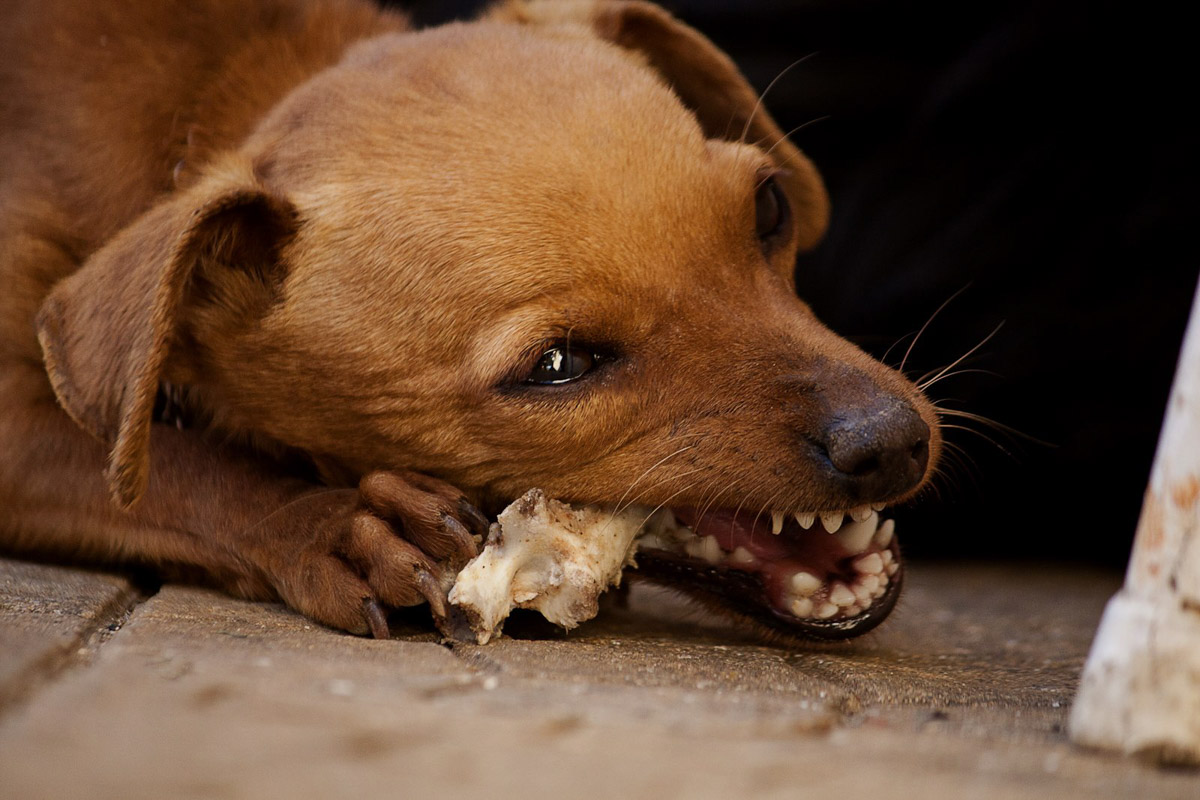
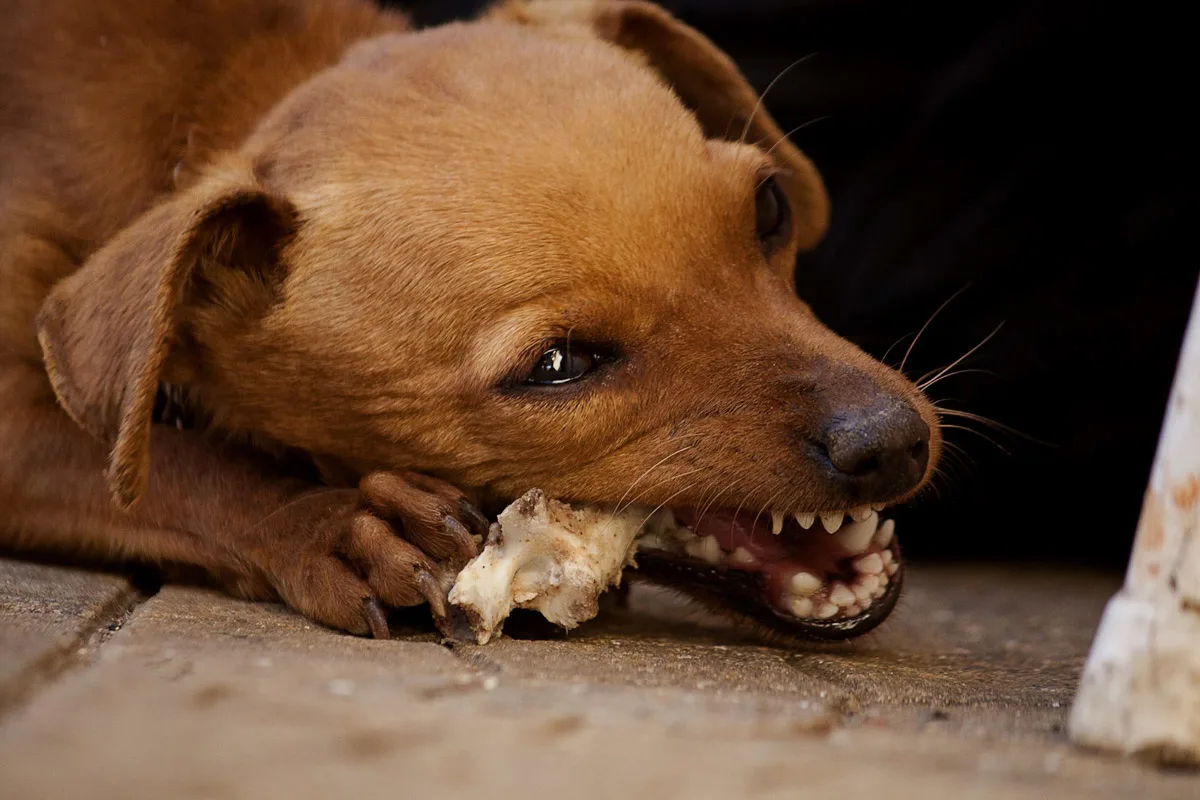
Signs include vomiting, drooling, lack of appetite, and straining to defecate. If a blockage is suspected, do NOT induce vomiting, as sharp objects may cause further damage. X-rays or ultrasounds are typically required to confirm the obstruction. Some blockages can be resolved with laxatives or endoscopy, but surgery is often needed if the object is large or causing distress. Prevent access to small objects, bones, and indigestible materials.
Ear Infections


Symptoms include excessive head shaking, ear scratching, foul odor, redness, and discharge. Use a vet-approved ear cleaner to gently clean the outer ear; never insert cotton swabs deep into the canal. Yeast or bacterial infections require prescription ear drops or oral antibiotics. Ear infections are common in floppy-eared breeds and those that swim frequently, so regular cleaning and drying after baths or swimming can help prevent them.
Heatstroke


Early signs include excessive panting, drooling, red gums, and lethargy. Move the dog to a cool area immediately and offer small amounts of cool (not cold) water. Wet their body with lukewarm water, focusing on the belly, paws, and armpits, and use a fan to cool them down. Avoid ice baths, as they can constrict blood vessels and worsen the condition. Seek emergency veterinary care, as heatstroke can cause organ failure and be fatal.
Eye Injuries


Check for redness, excessive tearing, squinting, or visible debris. If debris is present, rinse the eye with a sterile saline solution (not tap water). Do not allow the dog to rub or paw at the eye, as this can worsen the injury. Avoid applying ointments unless prescribed by a vet. If symptoms persist or if there is swelling, bleeding, or visible damage to the cornea, seek veterinary care immediately, as untreated eye injuries can lead to blindness.
Poisoning


Common poisons include chocolate, xylitol (found in sugar-free gum), grapes, onions, and household cleaners. If ingestion is suspected, call a veterinarian or pet poison control immediately. Do NOT induce vomiting unless instructed, as some substances can cause more harm coming back up. Treatment may include activated charcoal, IV fluids, or medication to counteract toxins. Prevention is key—keep all toxic items locked away and ensure trash is inaccessible.
Bite Wounds


If the wound is actively bleeding, apply gentle but firm pressure with a clean cloth or gauze for at least five minutes. Clean the area with saline or diluted antiseptic, avoiding hydrogen peroxide, which can slow healing. Do not stitch deep puncture wounds at home, as they can trap bacteria. Seek veterinary attention for deep wounds, wounds from another animal, or if the wound appears infected (pus, swelling, foul odor). Bite wounds often require antibiotics.
10 Essential First Aid Tips Every Dog Owner Should Know


As a dog owner, being prepared for emergencies is as crucial as daily walks and feeding. Whether it’s a minor injury or a more serious condition, knowing first aid can be a lifesaver for your furry friend. From learning how to perform CPR to assembling a first aid kit, these tips will equip you with the essential knowledge to handle common emergencies so you can act swiftly and keep your dog safe.
Read it Here: 10 Essential First Aid Tips Every Dog Owner Should Know
11 Super-Healthy Dog Breeds That Rarely Need A Vet Visit


Sick of spending more time at the vet than at the dog park? Some dogs are just built tougher and won’t have you stressing over constant health issues. These breeds are known for being low-maintenance in the health department, so you can focus on the fun stuff—like actual walks, not waiting room visits.
Read it Here: 11 Super-Healthy Dog Breeds That Rarely Need A Vet Visit
*Select images provided by Depositphotos.