
Dogs have a way of lighting up our lives, so finding ways to keep them happy just feels right. Even the smallest changes to their routine can have a big impact on their mood and well-being. Whether your dog is already full of energy or could use a little more excitement, focusing on what makes them thrive is a simple and rewarding way to strengthen your bond. These practical ideas can help you keep their tails wagging and their spirits high.


Add a Midday Walk or Play Session


Adding a short walk or play session in the middle of the day can work wonders for your dog’s mood and energy. It helps break up long stretches of boredom and gives them an outlet to burn off pent-up energy. This can also prevent destructive behaviors like chewing or digging and makes for a happier, more relaxed dog when you’re back.
Rotate Their Toys Regularly


Dogs love novelty, and rotating their toys can make old ones feel new again. Instead of constantly buying new toys, put some away for a few weeks and reintroduce them later. This keeps their interest piqued and their playtime engaging without breaking the bank.
Incorporate Short Training Sessions


A quick five-minute training session is a great way to keep your dog mentally stimulated and build your connection. Whether it’s reinforcing basic commands or teaching a new trick, these sessions help your dog feel challenged and accomplished. Plus, they’re easy to fit into even the busiest schedule.
Switch Up Walking Routes
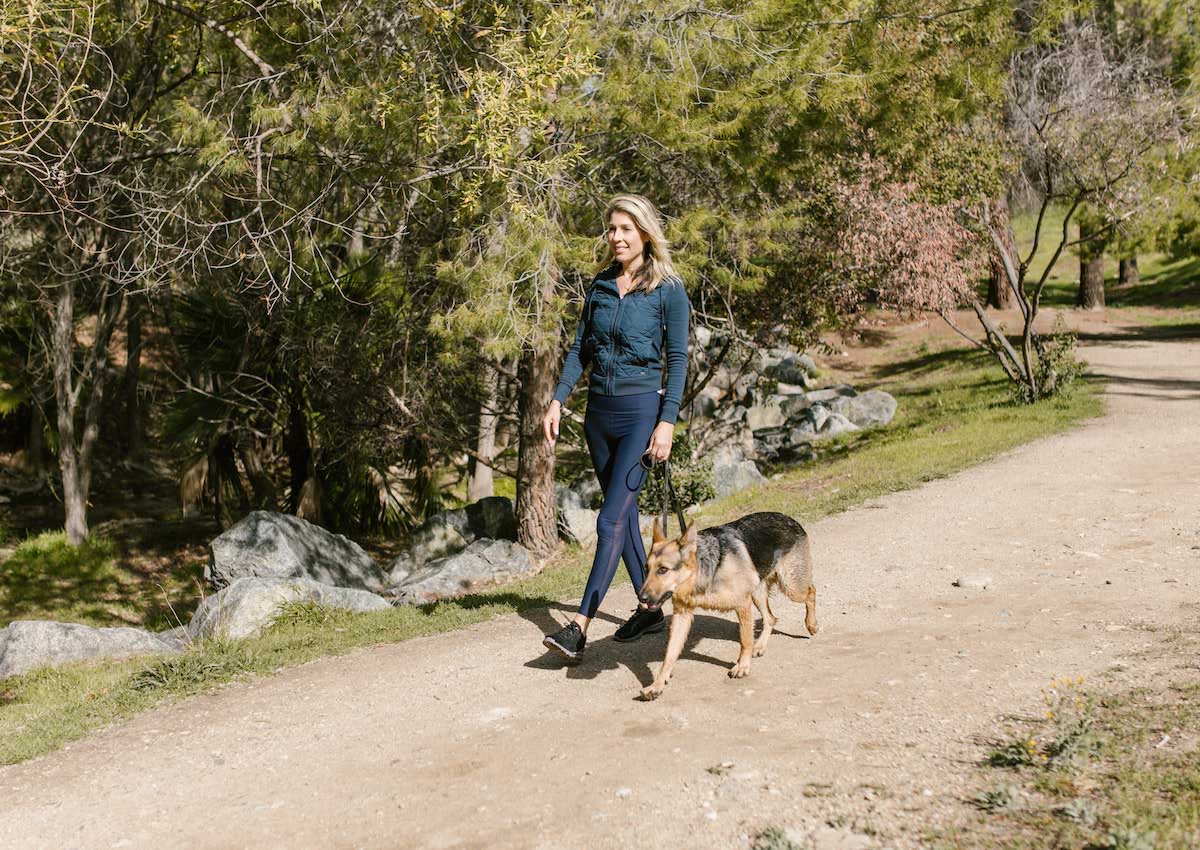

Walking the same route every day can get dull for your dog. Try exploring a new path, neighborhood, or park to keep their curiosity alive. New scents and sights stimulate their minds and make their daily walk feel like an adventure instead of a chore.
Add Interactive Food Puzzles


Food puzzles make mealtime a fun challenge for your dog. These toys encourage problem-solving and slow down fast eaters, adding both mental stimulation and a sense of accomplishment to their day. It’s a simple way to make feeding time more exciting and rewarding.
Schedule Regular Grooming Time


Grooming isn’t just about keeping your dog clean—it’s also a bonding opportunity. Regular brushing or nail trimming sessions help them feel cared for and can improve their overall comfort. Start small to build trust, especially if your dog isn’t a grooming fan.
Introduce Calming Music During Downtime


Playing calming music during quiet times can help reduce anxiety or overstimulation, especially for dogs sensitive to loud noises or when left alone. Look for playlists specifically designed for dogs, as they’re often tuned to frequencies that can soothe them.
Create a Designated Quiet Space


Giving your dog a cozy spot to retreat to can make a big difference in their happiness. Whether it’s a corner with their bed and toys or a crate, having a space where they feel safe and undisturbed is essential for relaxation, especially during hectic days.
Engage in Structured Playtime


Structured play, like fetch or tug-of-war, goes beyond casual play by providing physical exercise and mental engagement. It also reinforces trust and boundaries, making it more than just a fun activity—it’s a chance to deepen your bond with your dog.
Incorporate More Scent Work Activities


Dogs love using their noses, and scent work taps into their natural instincts. Hide treats around the house or yard for your dog to find. This activity challenges their mind, builds confidence, and brings a whole new level of excitement to their day.
Adjust Mealtime Consistency


Dogs thrive on routine, and consistent mealtimes help them feel secure. Setting a regular feeding schedule can improve digestion and reduce anxiety, especially for dogs who like knowing what to expect each day.
Allow for More Socialization Opportunities


Socialization is key to a happy dog. Arrange playdates with other dogs or visit a dog park where they can interact with new friends. These opportunities improve their confidence, keep their minds sharp, and give them an outlet for their natural social behaviors.
10 Tips to Keep Your Senior Dog Happy and Healthy


As dogs get older, they need a bit more care to stay happy and healthy. Simple changes in their routine can make a big difference in their well-being. From adjusting their diet to ensuring they get gentle exercise, there are plenty of ways to help your senior dog thrive. Here are some practical tips to keep your aging pup in great shape.
Read it Here: 10 Tips to Keep Your Senior Dog Happy and Healthy
12 Signs Of A Happy Dog


Dogs have their own unique language for telling us how they feel, and when they’re happy, it’s impossible to miss. From playful antics to those quiet moments where they just lean into you, dogs have a way of letting us know when life is good.Dogs have their own unique language for showing us how they feel, and when they’re happy, it’s usually pretty clear.
But what exactly does happiness look like in dogs? Dog behavior can be complex, and sometimes it’s hard to tell if your pup is feeling on top of the world or just having an off day. According to experts, while “happy dogs look happy,” understanding those signs often depends on knowing your dog’s personality. After all, you’re the one who knows them best. Whether it’s those wild zoomies around the house or a simple contented sigh, recognizing the signs of happiness in your dog can help you ensure they’re living their best life.
Read it Here: 12 Signs Of A Happy Dog
*Select images provided by Depositphotos.