

Not every dog breed was carefully designed with a clear plan in mind. Some of the most popular and recognizable dogs today exist because someone mixed two breeds, got an unexpected result, and decided it was worth keeping. In a few cases, the pairing was meant to solve a problem, like allergies or temperament. In others, it happened through trial, error, or simple curiosity.


Labradoodle


The Labradoodle began as an attempt to solve a practical problem rather than create a new breed. A breeder crossed a Labrador Retriever with a Poodle in hopes of producing a guide dog that wouldn’t trigger allergies. The result wasn’t consistently hypoallergenic, but the personality and look caught on fast. What started as a one-time experiment turned into one of the most popular designer mixes in the world.
Bull Terrier


Bull Terriers came from crossing Bulldogs with now-extinct terrier types, originally meant to produce a tough working dog. Instead, breeders ended up with a dog that had a very unusual head shape and a playful, stubborn personality. The original goal didn’t quite land, but the look and temperament were distinctive enough to keep the breed going. Over time, that odd head shape became their signature feature.
Cockerpoo (Cockapoo)


The Cockerpoo appeared when someone paired a Cocker Spaniel with a Poodle without any long-term breeding plan in mind. The puppies had soft coats and friendly personalities, which made people want more of them. What began as an unplanned mix became one of the earliest designer dogs. Its popularity helped open the door to many other intentional crossbreeds later on.
Doberman Pinscher


The Doberman was created by a tax collector who wanted a protective dog but mixed several breeds without keeping careful records. No one can say exactly which dogs went into the first Dobermans. The accidental combination produced a sleek, intelligent guardian that quickly proved useful in police and military work. What began as a rough experiment became one of the world’s most respected working breeds.
Miniature Bull Terrier


Breeders tried to create a smaller version of the Bull Terrier, but the genetics didn’t cooperate neatly. Instead of a simple scaled-down dog, they got a compact breed with a huge personality and unpredictable energy. The smaller size came with the same stubborn streak and clownish behavior as the original. The mistake stuck because people liked the result.
Schnoodle


The Schnoodle came from crossing Schnauzers and Poodles without a clear plan for establishing a new breed. Breeders were mostly curious about coat type and intelligence. The puppies turned out smart, alert, and low shedding, which made them appealing family dogs. What started as an experiment quietly became a common hybrid.
Chinook


The Chinook was born when an explorer mixed farm dogs and sled dogs while trying to improve hauling strength. The pairing wasn’t planned as a new breed, but the dogs proved unusually strong, steady, and cooperative. Instead of discarding the line, breeders preserved it. The Chinook became one of the rarest American breeds because of that early accident.
Boston Terrier


Boston Terriers came from crossing Bulldogs with small terriers in the 1800s. Breeders weren’t aiming for a companion breed, but the compact size and friendly temperament caught on. The black-and-white coloring became part of their identity by chance. What began as a mismatched cross turned into one of America’s first recognized breeds.
Biewer Terrier


The Biewer Terrier exists because of a single Yorkie puppy born with unusual coloring. Instead of treating it as a flaw, breeders decided to reproduce the trait. Over time, that coloring became the foundation of a new breed. One genetic surprise created an entirely separate line of dogs.
Boxer


Boxers came from mixing Mastiffs, Bulldogs, and terrier types while trying to refine working dogs in Germany. The breeding wasn’t precise, and the result was more playful and expressive than intended. Instead of a strictly serious worker, breeders got a clownish, athletic companion. The personality became just as important as the original job.
Dandie Dinmont Terrier

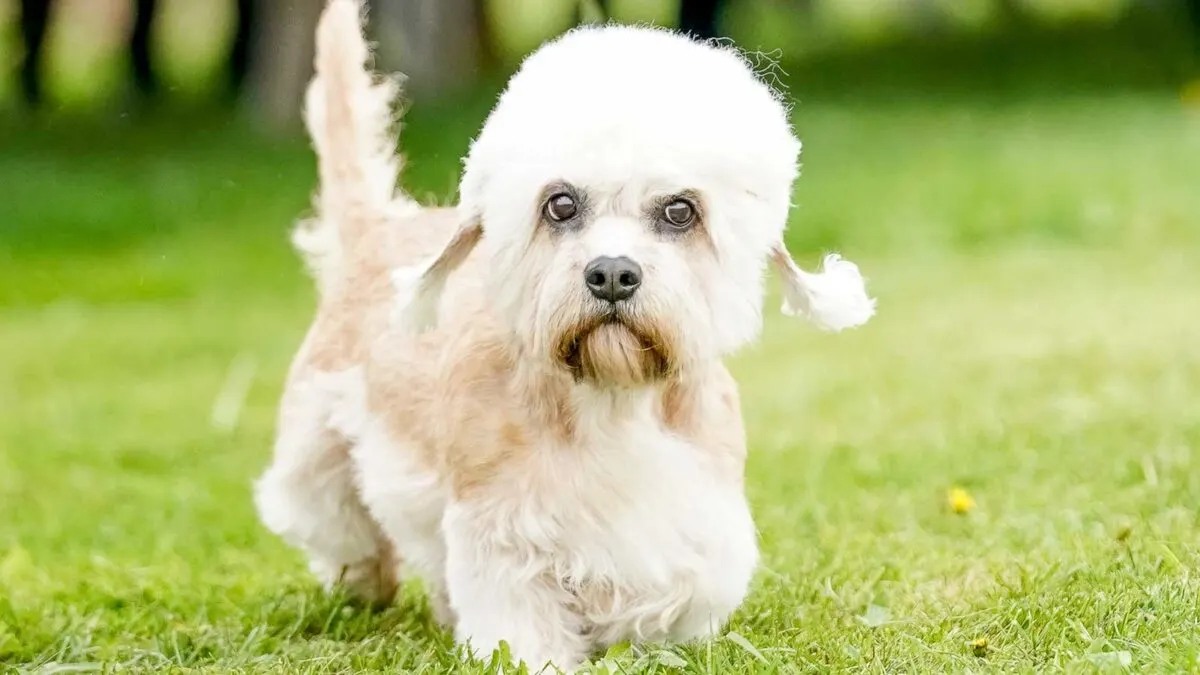
Farmers mixed several terrier types to improve hunting ability, but the puppies developed a very distinctive shape and head. The look wasn’t planned, and neither was their later popularity among nobility. What began as a working mistake turned into a breed associated with upper-class households. The unusual proportions became their defining feature.
Australian Shepherd


Despite the name, Australian Shepherds were created in the United States through a mix of European herding dogs. The name stuck by mistake, even though the breed had little connection to Australia. The accidental mix produced one of the most intelligent herding dogs in the world. A labeling error became part of the breed’s permanent identity.
13 Dog Traits We’ve Accidentally Bred Into Them


Dogs didn’t just end up with their unique quirks by chance—humans had a heavy hand in shaping them. From squished faces to oversized ears, many of these traits were bred with specific goals in mind, whether for aesthetics or function. While some of these changes make them undeniably charming, others come with challenges that can’t be ignored. Breeding choices often have unintended consequences, affecting everything from a dog’s health to its behavior.
Read it Here: 13 Dog Traits We’ve Accidentally Bred Into Them (For Better Or Worse)
12 Reasons Not To Get A Designer Dog Breed


Designer dog breeds might seem like the latest trend, but they come with their own set of challenges that aren’t always obvious at first glance. Before you fall for their adorable looks and unique names (who wouldn’t want a Chiweenie?), it’s important to understand the potential downsides that can come with these fashionable pets.
Read it Here: 12 Reasons Not To Get A Designer Dog Breed
*Select images provided by Depositphotos.