


Dogs didn’t just end up with their unique quirks by chance—humans had a heavy hand in shaping them. From squished faces to oversized ears, many of these traits were bred with specific goals in mind, whether for aesthetics or function. While some of these changes make them undeniably charming, others come with challenges that can’t be ignored. Breeding choices often have unintended consequences, affecting everything from a dog’s health to its behavior.


Flat Faces (Brachycephaly)


Breeding for squished faces in breeds like Pugs and Bulldogs has led to respiratory problems, overheating issues, and difficulty eating. While adorable to many, this trait can severely impact their quality of life, requiring special care to avoid exacerbating health problems.
Wrinkled Skin


Excess skin in breeds like Shar-Peis and Bloodhounds was initially bred for specific purposes (like protection during hunting or fighting). However, it has led to skin infections, irritation, and folds that require constant cleaning to prevent discomfort or health issues.
Excessive Fur Coats


Dogs like Chow Chows and Samoyeds were bred for dense, insulating fur to survive cold climates. However, in warmer regions, this can lead to overheating and skin issues, requiring constant grooming and special attention to prevent discomfort.
Miniaturization


Breeds like Teacup Chihuahuas are bred for their tiny size, but this often comes with fragile bones, heart issues, and shortened lifespans. While their small stature appeals to many, the trade-offs in health can be significant.
Extra Large Sizes


Breeds like Great Danes and Mastiffs were bred for impressive size, often for guarding or hunting. However, their enormous frames lead to joint issues, shortened lifespans, and higher risks of bloat—a life-threatening condition.
Droopy Ears


Breeds like Basset Hounds and Cocker Spaniels have floppy ears bred for hunting. Unfortunately, these ears trap moisture, making them prone to ear infections and requiring meticulous cleaning to avoid chronic issues.
Short Legs (Achondroplasia)
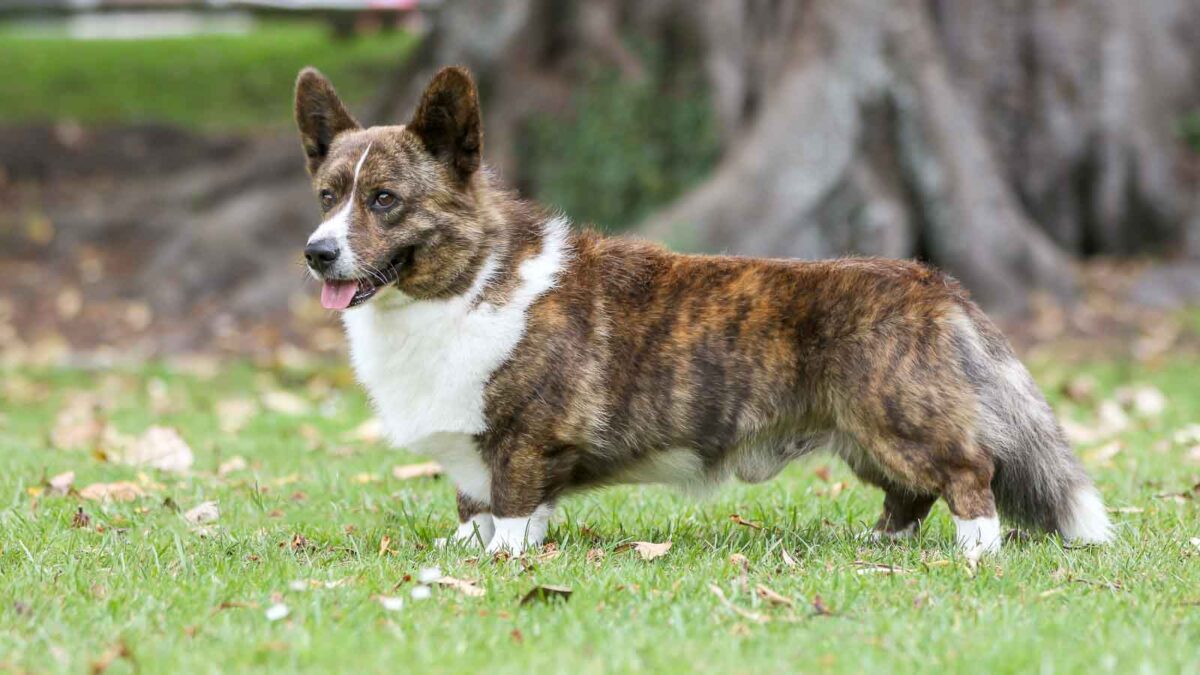

Dwarfism in breeds like Dachshunds and Corgis was bred for specific tasks like hunting burrowing animals. However, their short legs often cause spinal issues, arthritis, and mobility challenges as they age.
Color-Linked Deafness


White or merle coat patterns in breeds like Dalmatians and Australian Shepherds are linked to genetic deafness. While the patterns are visually striking, they come with significant health risks that owners must manage.
Extreme Energy Levels


Breeds like Border Collies and Belgian Malinois were bred for high stamina and intelligence to work long hours. However, these traits can lead to frustration and destructive behavior in homes that don’t meet their mental and physical exercise needs.
Excessive Skin Folds (Double Dewlaps)


Breeds like Neapolitan Mastiffs were bred for dramatic skin folds, which were once useful for protection. Now, they often suffer from infections and hygiene issues due to trapped dirt and bacteria, requiring extra maintenance.
Unique Tail Shapes


Breeds like Pugs (curly tails) and Bulldogs (screw tails) were bred for aesthetics, but these traits can cause spinal deformities, pain, and movement limitations in severe cases.
Large Eyes


Breeds like Cavalier King Charles Spaniels were bred for their large, expressive eyes. However, this can lead to a higher risk of eye injuries, ulcers, and conditions like proptosis, where the eye can pop out of its socket.
Overly Friendly Nature


Breeds like Labrador Retrievers were bred to be sociable and non-aggressive, making them excellent companions. However, this trait can backfire in guard dog situations or lead to separation anxiety when left alone too often, as they crave human interaction.
10 Common Misconceptions About Mixed-Breed Dogs


Mixed-breed dogs get a lot of flak, but most of it’s based on myths that just don’t hold up. Whether it’s people thinking they’re unpredictable or assuming they’re healthier than purebreds, there’s a lot of misinformation out there. The truth is, mixed-breeds have just as much going for them—if not more—than their purebred counterparts. Let’s clear up some of the most common misconceptions about these one-of-a-kind pups and give them the credit they deserve.
Read it Here: 10 Common Misconceptions About Mixed-Breed Dogs
10 Reasons Why You Should Think Twice Before Getting A Purebred


Thinking about getting a purebred dog? It’s an exciting decision, but there are some important things to consider first. While many purebred dogs and breeders are wonderful, there are some potential downsides you should be aware of before making your choice. From health issues to high maintenance needs, here are some reasons why you might want to think twice before going the purebred route. Remember, not all purebred dogs or breeders are problematic, but it’s essential to be informed to make the best decision for you and your future furry friend.
Read it Here: 10 Reasons Why You Should Think Twice Before Getting A Purebred