
Training a strong-willed dog can sometimes feel like you’re speaking two completely different languages. These independent pups often test limits and choose when to listen, which can be frustrating without the right approach. The key is finding methods that work with their personality rather than against it. With the right strategies, you can turn stubborn moments into steady progress.
Keep Sessions Short and Engaging


Short, focused training sessions are far more effective than long ones. Stubborn dogs can lose interest quickly, so keeping things brief helps maintain their attention. A few minutes of success is better than a drawn-out struggle.
Use Rewards That Truly Motivate

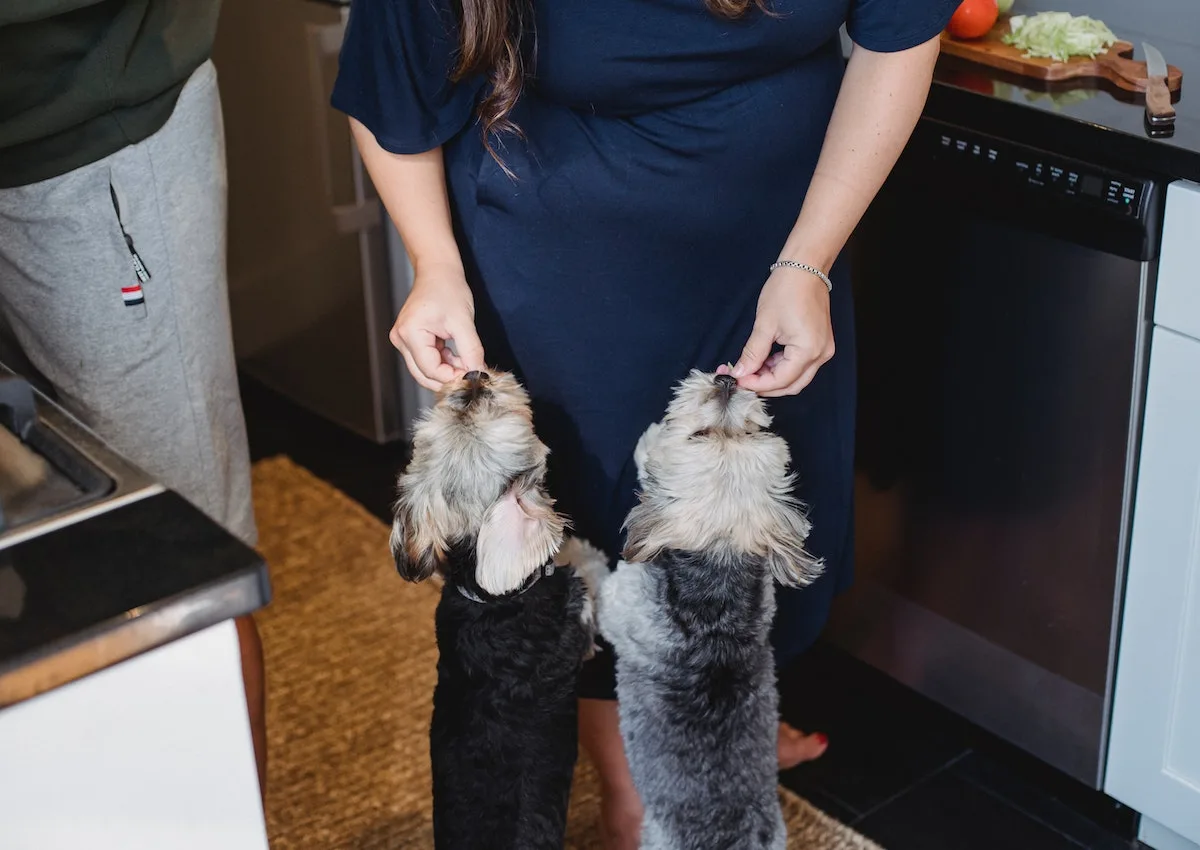
Not all rewards are equal, especially for independent dogs. High-value treats or favorite toys can make a big difference in capturing their interest. Finding what excites your dog is key to keeping them engaged.
Stay Patient Throughout the Process


Progress with stubborn dogs often takes time, and setbacks are part of the journey. Staying calm and consistent helps build trust and understanding. Over time, patience pays off in lasting results.
Reinforce Positive Behavior


Focusing on what your dog does right encourages them to repeat those actions. Praise, treats, and playtime can reinforce desired behavior effectively. Positive reinforcement creates a more enjoyable training experience.
Be Consistent with Commands


Using the same words and cues every time avoids confusion. Consistency helps your dog clearly understand expectations. When everyone in the household follows the same approach, progress comes faster.
Make Training Feel Like Play


Turning training into a game keeps your dog interested and eager to participate. Activities like fetch, hide-and-seek, or obstacle courses can reinforce commands naturally. Learning becomes fun instead of a chore.
Identify What Drives Your Dog


Every dog has something that motivates them, whether it’s food, toys, or attention. Discovering this can make training much more effective. Once you know their favorite reward, you can use it to guide behavior.
Keep a Positive Attitude


Your energy can influence how your dog responds during training. Staying upbeat and encouraging helps create a better learning environment. Dogs are more likely to cooperate when the experience feels positive.
Introduce Clicker Training


Clicker training helps mark the exact moment your dog performs the correct behavior. This clear communication makes learning faster and more precise. Pairing the click with rewards strengthens understanding.
Set Clear Rules and Boundaries


Clear expectations help your dog understand what is allowed and what isn’t. Consistent boundaries reduce confusion and improve behavior over time. Everyone in the home should follow the same rules.
Encourage Social Experiences


Exposing your dog to new environments, people, and other animals can improve their behavior. Socialization helps reduce fear and builds confidence. A well-adjusted dog is often easier to train.
Seek Professional Guidance When Needed


If training becomes overwhelming, working with a professional can make a big difference. Trainers can provide tailored techniques and guidance for your specific situation. Getting expert help can speed up progress and reduce frustration.