
Your dog’s meals should leave them feeling healthy, energized, and comfortable. But when something in their diet doesn’t sit right, the signs can show up in unexpected ways. From skin irritation to digestive trouble, these clues can point to a mismatch between your dog and their food. Recognizing these warning signals early can help you make better choices for their well-being.
Persistent Vomiting
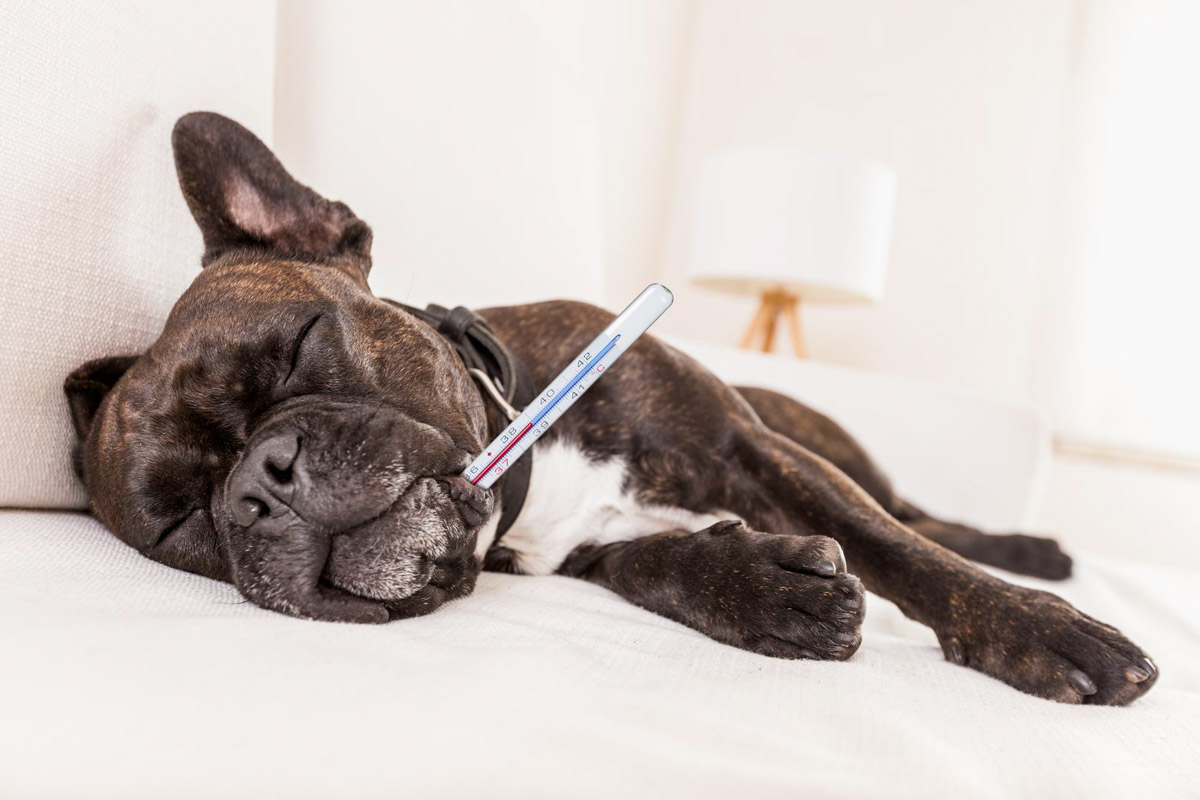

Frequent vomiting can be a clear signal that your dog’s food isn’t agreeing with them. Certain ingredients or low-quality formulas may irritate their stomach. Switching to a simpler, higher-quality option can often help, but ongoing issues should always be checked by a veterinarian.
Ongoing Diarrhea


Loose or frequent stools often indicate digestive upset linked to diet. If it continues over time, your dog may not be absorbing nutrients properly. Adjusting their food can help restore balance and improve digestion.
Constant Paw Licking


Excessive licking or chewing at the paws can be linked to food sensitivities. Ingredients in their meals may be triggering irritation or discomfort. Identifying and removing the cause can reduce this behavior.
Frequent Ear Problems


Recurring ear issues can sometimes trace back to dietary allergies. Certain ingredients may cause inflammation that affects the ears. Changing to a more suitable diet can help reduce these flare-ups.
Unusual Weight Changes


Unexpected weight gain or loss can signal that your dog’s food isn’t properly balanced. Too many fillers or not enough nutrients can throw off their condition. Monitoring changes closely can help you adjust their diet in time.
Low Energy Levels


If your dog seems less active than usual, their diet could be lacking essential nutrients. Proper nutrition fuels their daily activity and overall vitality. A more balanced formula can help restore their energy.
Excessive Gas


More gas than usual can point to ingredients that are hard for your dog to digest. Certain grains or fillers may be the cause. Switching to a more digestible option can make a noticeable difference.
Skin Irritation and Hot Spots


Red, itchy skin or inflamed patches can be linked to food allergies. Common protein sources or additives may trigger these reactions. A limited-ingredient diet can help identify and eliminate the problem.
Dull Coat or Hair Loss


A healthy coat depends on proper nutrition, especially essential fatty acids. If your dog’s fur looks dull or thinning, their diet may be lacking key nutrients. Improving their food can help restore shine and strength.
Persistent Bad Breath


Unpleasant breath that doesn’t improve may be linked to diet quality. Foods with better ingredients can support oral health and reduce odor. Some formulas are even designed specifically for dental support.