
Before bringing a dog into your life, it’s important to consider more than just personality and looks. Some breeds come with higher insurance costs due to ongoing health concerns and medical needs. From giant breeds to flat-faced companions, these dogs often require extra care that can add up over time. Knowing which breeds tend to be more expensive can help you plan ahead and avoid surprises.
French Bulldog
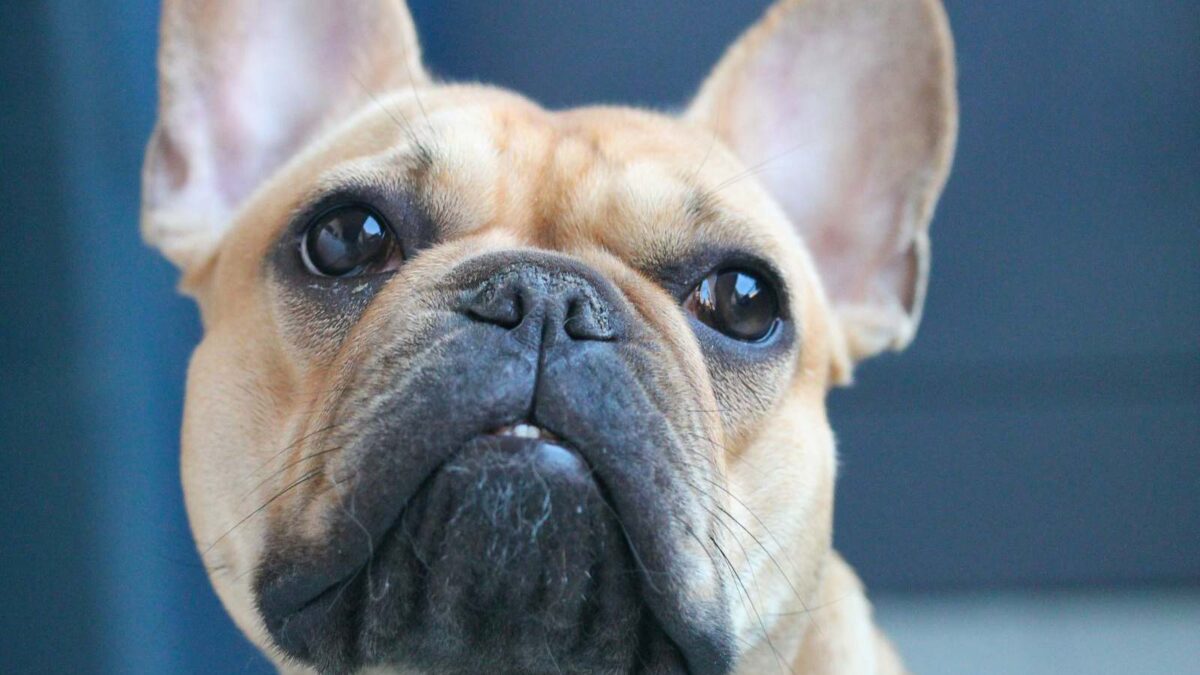

French Bulldogs are known for their adorable appearance, but their compact build can lead to breathing difficulties and spinal issues. These ongoing health concerns often require frequent veterinary visits. As a result, insurance for this breed tends to be on the higher end.
Great Dane


Great Danes have impressive size, but that comes with increased health risks. Conditions like bloat and heart problems are more common in this breed. Their need for specialized care contributes to higher insurance costs.
English Bulldog


English Bulldogs often deal with breathing challenges, joint issues, and skin conditions. Their unique physical traits can lead to ongoing medical attention. This makes them one of the more expensive breeds to insure.
German Shepherd


German Shepherds are active and intelligent, but they are prone to joint problems and neurological conditions. These issues can require long-term treatment and monitoring. Insurance premiums often reflect these risks.
Rottweiler


Rottweilers are powerful dogs that can be prone to joint disorders and certain serious illnesses. Their size and strength can also contribute to higher treatment costs. These factors typically increase insurance rates.
Bernese Mountain Dog


This breed is known for its gentle nature but also for a higher risk of serious health conditions. Issues like cancer and joint problems are more common. These concerns make insurance coverage more costly.
Doberman Pinscher


Dobermans are athletic and alert, but they are also susceptible to heart-related conditions. These health risks can lead to ongoing veterinary care. Insurance premiums often reflect the potential for costly treatments.
Saint Bernard


Saint Bernards are gentle giants, but their size brings increased risk of joint and heart conditions. They may also require specialized treatments over time. This contributes to higher insurance costs.
Bullmastiff


Bullmastiffs are strong and protective, but they can face issues like joint problems and certain cancers. These health risks often require extensive care. As a result, their insurance premiums are typically higher.
Newfoundland


Newfoundlands are known for their calm temperament, but they are prone to heart and joint conditions. Their size increases the cost of treatment and medication. This leads to higher insurance premiums overall.
Irish Wolfhound


Irish Wolfhounds are among the largest dog breeds, and their size comes with increased health risks. They often face heart conditions and joint issues, along with a shorter lifespan. These factors contribute to costly insurance plans.
Chow Chow


Chow Chows are known for their independent nature, but they can develop eye, joint, and immune-related conditions. Their thick coats can also hide skin problems that require treatment. These factors can increase insurance costs.
Old English Sheepdog


Old English Sheepdogs require regular grooming and are prone to chronic conditions like joint issues and thyroid problems. Their ongoing care needs can add up over time. Insurance costs tend to reflect these long-term requirements.