
Picking the right dog food can feel overwhelming with so many labels, ingredients, and trends to sort through. From specialty diets to premium blends, it’s easy to second-guess every choice. The good news is that a few simple guidelines can make the process much easier. These tips will help you confidently choose a food that supports your dog’s health without the stress.
Evaluate Protein Sources


Protein plays a central role in your dog’s diet, supporting muscles and overall energy. Look for foods where a clearly named meat appears at the top of the ingredient list. This ensures your dog is getting a strong nutritional foundation.
Check the Ingredients Carefully


High-quality dog food starts with recognizable, wholesome ingredients. Prioritize real meats, vegetables, and grains over vague or overly processed components. Simple, transparent labels are usually a good sign.
Match Food to Life Stage


Dogs have different nutritional requirements depending on their age. Puppies, adults, and senior dogs all benefit from formulas designed for their stage of life. Choosing accordingly helps support growth, maintenance, or aging needs.
Consider Individual Health Needs


Some dogs need specialized diets due to allergies, sensitivities, or medical conditions. Consulting your veterinarian can help you identify the best option. Tailoring their food can improve comfort and overall well-being.
Look for AAFCO Standards


Foods that meet AAFCO guidelines are formulated to provide balanced nutrition. This certification ensures your dog is receiving essential nutrients in the proper amounts. It’s a helpful standard to look for when comparing options.
Avoid Artificial Ingredients


Artificial colors, flavors, and preservatives add little value and may not be ideal for your dog. Choosing foods with natural preservation methods can support better long-term health. Simpler formulations are often the better choice.
Understand By-Product Labels
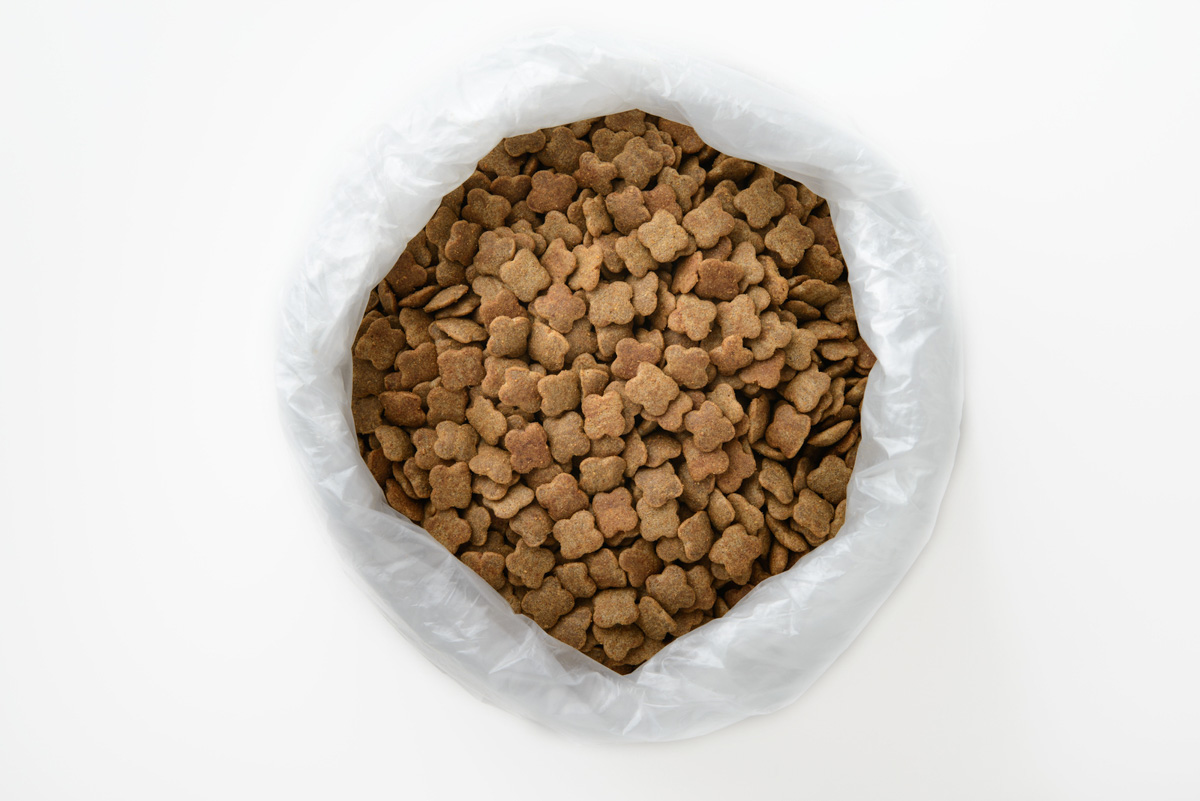

Not all by-products are harmful, but quality can vary widely. Look for clearly labeled sources rather than vague descriptions. Transparency in labeling often reflects higher standards.
Explore Grain Options Thoughtfully


Grain-free diets can be helpful for some dogs but are not necessary for all. It’s important to understand your dog’s specific needs before making the switch. When in doubt, seek professional advice.
Learn from Others’ Experiences


Reviews and recommendations from other dog owners can offer useful insights. Hearing what works for similar breeds or situations can guide your decision. It’s a practical way to narrow down your options.
Start with Small Portions


Trying a smaller bag or sample first can save money and prevent waste. It allows you to see how your dog reacts before committing long-term. This approach makes switching foods less risky.