

Walk through any shelter and you’ll notice a pattern. Some dogs barely make it onto the adoption floor before someone takes them home, while others sit there week after week. It’s rarely because those dogs are difficult or unlovable. More often, it comes down to assumptions people make the moment they read the breed, see the dog’s size or notice their age. Shelter staff see it all the time. Great dogs get overlooked because adopters walk in with a very specific picture of what they want. The reality is that many of the dogs people pass by end up being some of the most loyal companions once someone finally gives them a chance.


Pit Bull


Pit Bulls often face the steepest uphill battle in shelters. Even when they arrive friendly, well socialized and clearly comfortable with people, their reputation tends to follow them. Breed restrictions in housing and insurance policies also make potential adopters hesitant before they even meet the dog.
People who do adopt them often discover how affectionate and people oriented they are. Many Pit Bulls bond intensely with their families and enjoy structure and training. Unfortunately, the stigma surrounding the breed keeps many of them waiting far longer than other dogs with similar temperaments.
Black Dogs (Various Breeds)


Shelters frequently talk about something called “black dog syndrome,” where dark coated dogs are overlooked in favor of lighter colored ones. Part of the issue is surprisingly practical. Black dogs can be harder to photograph for adoption listings, which makes their personality harder to showcase online.
In person, they’re no different from any other dog in terms of temperament or companionship. Once adopted, many families say they can’t understand why their dog sat in a shelter so long. The hesitation almost always has more to do with perception than reality.
Senior Dogs (Various Breeds)


Older dogs often watch younger ones get adopted first. Many adopters walk in hoping to raise a puppy or young dog, assuming that older dogs come with health issues or less time together.
What shelters know, though, is that senior dogs often transition into homes much more smoothly. Many are already house trained, comfortable with routines and content with moderate exercise. For people who want companionship without the chaos of raising a puppy, older dogs can be an excellent fit.
Hound Breeds


Hounds frequently spend extra time in shelters, particularly breeds with strong hunting backgrounds. Their baying, howling and powerful sense of smell can surprise adopters who weren’t expecting such persistence once they catch a scent.
For active households that appreciate those traits, hounds can be incredibly loyal and entertaining companions. They tend to be social with people and other dogs, and their curiosity keeps life interesting. The key is understanding that their instincts are part of who they are.
Bulldogs
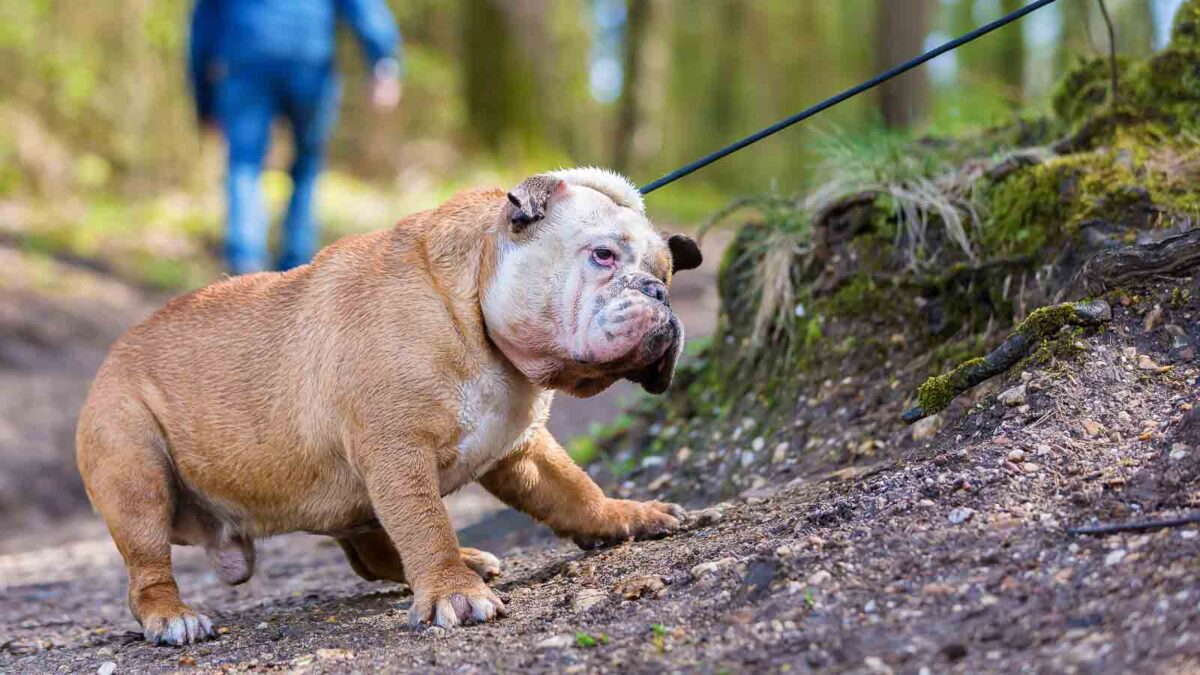

Bulldogs can be overlooked for different reasons depending on the type. Some adopters worry about potential medical costs associated with breathing issues or joint problems, while others simply assume they’ll require specialized care.
In reality, many Bulldogs are calm, affectionate dogs that enjoy predictable routines. They tend to thrive in households that appreciate a slower pace and plenty of human interaction. Their steady temperament often makes them particularly good companions for families and older adopters.
Chihuahuas


Chihuahuas show up in shelters in surprisingly large numbers, often because people underestimate the responsibility that comes with even the smallest dog. When boundaries and training are inconsistent, their confidence can turn into reactivity or excessive barking.
With structure and patience, they tend to settle into devoted companion dogs that bond closely with their person. Their small size also makes them adaptable to apartments and smaller homes. Unfortunately, their reputation sometimes causes adopters to pass them by without giving them a chance.
Large Mixed Breeds


Large mixed breed dogs are common in shelters, which means they face more competition for adoption. Many people walk in looking for a specific breed or a smaller dog they feel will be easier to manage.
The irony is that mixed breeds often bring a lot of advantages. They can be adaptable, resilient and less prone to certain inherited health issues. Many turn out to be steady, affectionate family dogs once they settle into a home environment.
Shy or Timid Dogs (Various Breeds)


Dogs that appear nervous or withdrawn in a shelter environment often struggle to make a strong first impression. The noise, constant activity and unfamiliar surroundings can overwhelm them, which makes them seem distant or uninterested to potential adopters.
Given time and a calmer environment, these dogs frequently relax and show a completely different personality. They tend to form deep bonds with the people they trust and can become extremely loyal companions once they feel secure.
Greyhounds


Retired racing Greyhounds sometimes end up in shelters when their racing careers end. Their tall, lean build can intimidate adopters who assume they require constant exercise or large yards.
The reality surprises many people. Greyhounds are known for enjoying bursts of activity followed by long stretches of rest. Many adapt well to apartment living and are often described by owners as relaxed and easygoing once they settle into home life.
Terriers (Large Varieties)


Larger terrier breeds, including some bull type terriers, can be misjudged because of their muscular build and high energy. Their enthusiasm and confidence may feel overwhelming for adopters who expect a calmer dog.
When given consistent training and outlets for their energy, terriers are often incredibly loyal and engaging companions. They tend to enjoy problem solving and interactive play, which makes them a great match for owners who like to stay active and involved with their dog’s training.
10 Things To Know Before Adopting A Rescue Dog


Thinking about adopting a rescue dog? It’s a wonderful and rewarding experience, but there are a few things you should know before bringing your new friend home. Rescue dogs can come with unique challenges and needs, so being prepared is key to making the transition smooth for both of you.
Read it Here: 10 Things To Know Before Adopting A Rescue Dog
10 Reasons Why ‘Adopt, Don’t Shop’ Might Not Be The Best Advice After All

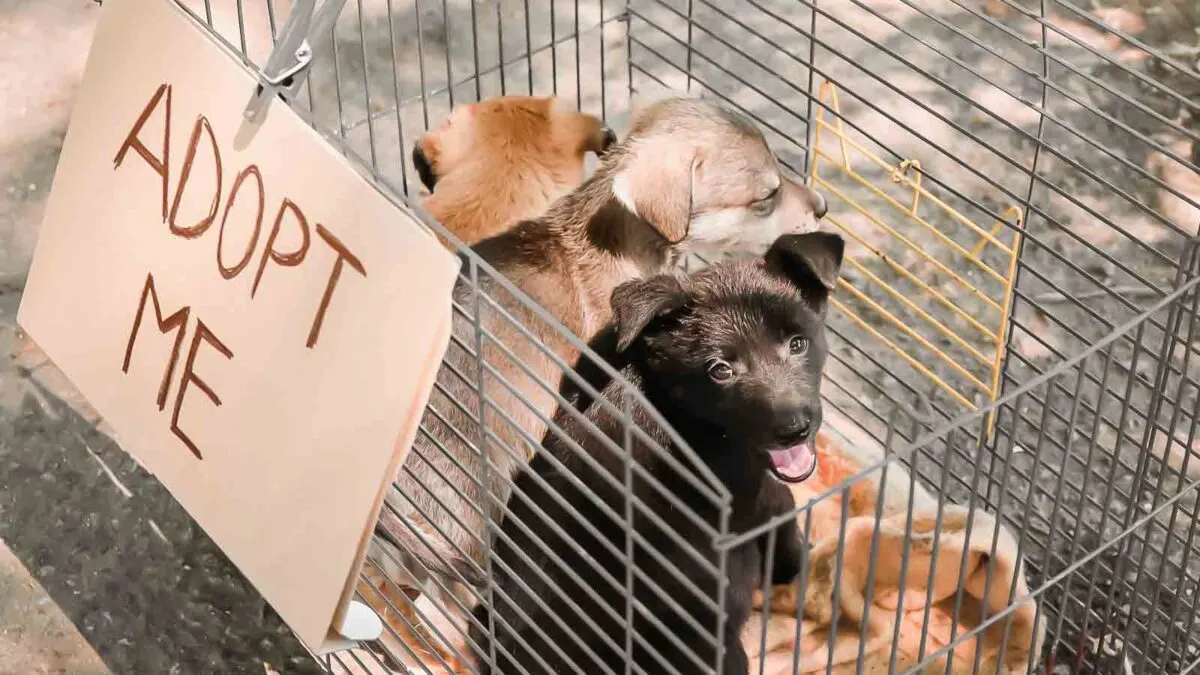
“Adopt, Don’t Shop” is something you hear all the time, and people genuinely mean well when they say it. The idea of giving a dog a second chance is heartwarming, and it seems like the obvious choice. But the truth is, what works for one person or family might not be the best fit for another. There are some challenges and surprises that come with adopting, and they’re not always discussed. Here’s why this well-meaning advice might not be right for every situation.
Read it Here: 10 Reasons Why ‘Adopt, Don’t Shop’ Might Not Be The Best Advice After All
*Select images provided by Depositphotos.