

Dog food labels can feel like they’re written to confuse you on purpose. Between marketing buzzwords, long ingredient lists and nutrition panels that don’t always explain much, it’s easy to grab a bag that sounds healthy without really knowing what’s inside. A few key details can tell you whether a food is built around real nutrition or padded with inexpensive fillers.


Ingredient Order by Weight


Dog food ingredients are listed in order of weight, with the heaviest ingredient appearing first. This sounds straightforward, but there’s an important detail many people miss. Fresh meat contains a large amount of water, which increases its weight before cooking. Once the food is processed and the moisture is removed, that ingredient may contribute less protein than the label initially suggests.
That’s why it helps to scan beyond the first ingredient. If the rest of the list includes additional meat meals or clearly named protein sources, the food likely provides a stronger nutritional base. If the top spot is followed mostly by grains or starches, the formula may rely more heavily on carbohydrates than protein.
Clearly Named Protein Sources


A strong label usually lists specific proteins such as chicken, turkey, salmon or lamb. When the protein source is clearly named, you know exactly what animal the ingredient comes from and can better evaluate the food’s quality.
More vague terms like “meat meal” or “animal by-products” don’t offer the same transparency. These ingredients can include a wider range of animal parts or unspecified sources. For dogs with food sensitivities or allergies, that lack of clarity can make it harder to pinpoint problem ingredients.
The Presence of Fillers


Ingredients like corn, soy and wheat often appear in lower quality foods because they help bulk up the product at a lower cost. These ingredients can provide energy, but they generally contribute less nutritional value compared to higher quality carbohydrate sources.
Looking for alternatives such as sweet potatoes, lentils, peas or whole grains can signal a more thoughtfully balanced formula. These ingredients typically offer fiber and nutrients alongside calories, which helps support digestion and overall health.
Artificial Preservatives and Additives


Preservatives are necessary to keep dry food shelf stable, but the type used matters. Artificial preservatives like BHA and BHT have been controversial for years because of potential long term health concerns.
Many higher quality foods rely on natural preservation methods instead. Ingredients like mixed tocopherols, which are forms of vitamin E, or rosemary extract can serve the same purpose without introducing synthetic chemicals.
Whole Grains Versus Refined Grains


Not all grains are created equal. Whole grains such as brown rice, oats and barley retain more of their natural fiber and nutrients because they are less processed.
Refined grains like white rice or cornmeal have had portions of the grain removed during processing. While they still provide calories, they tend to offer fewer vitamins and minerals than their whole grain counterparts.
The Guaranteed Analysis Panel
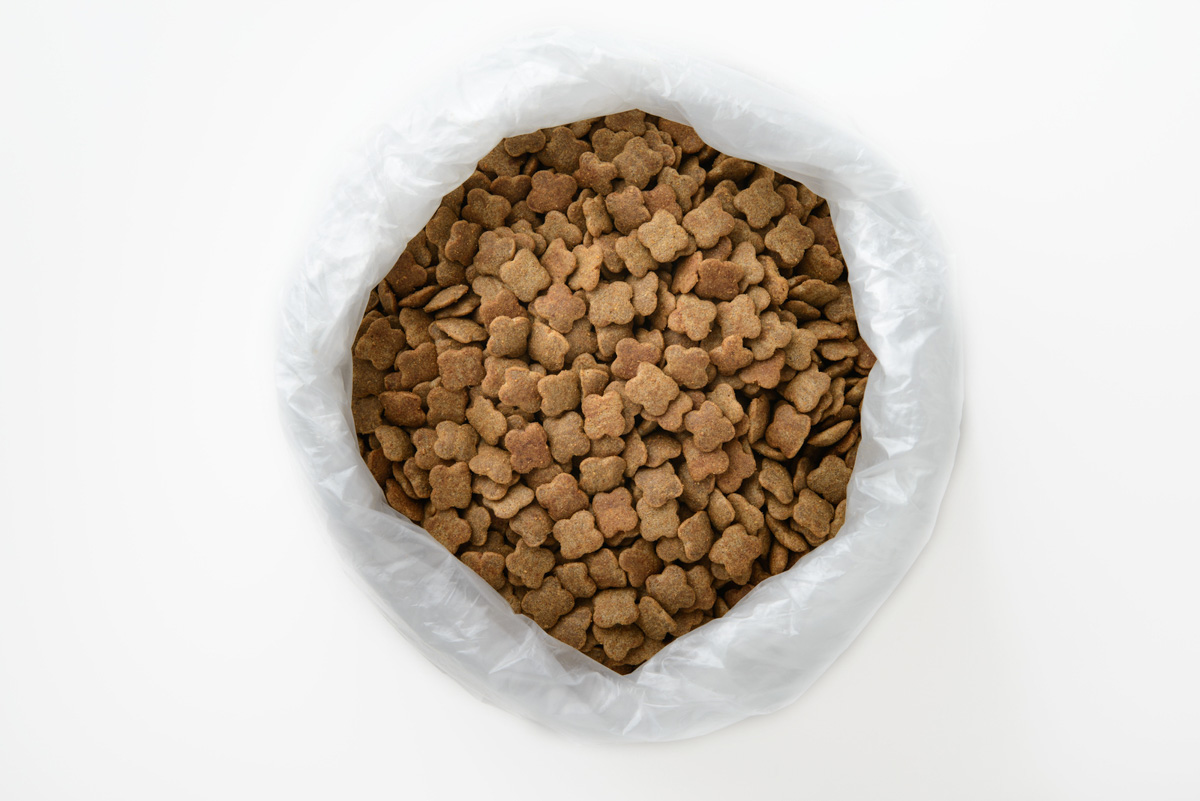

The guaranteed analysis is the section that lists minimum protein and fat levels along with maximum fiber and moisture. These percentages give a rough idea of the food’s nutrient balance.
However, they don’t tell the whole story. Two foods can show similar protein levels while using completely different ingredient sources. That’s why the guaranteed analysis should always be read alongside the ingredient list rather than on its own.
Calorie Density


Calories per cup or per kilogram are usually listed on the label, and this number helps determine appropriate portion sizes. Foods with higher calorie density require smaller serving amounts, while lower calorie formulas may require larger portions.
For very active dogs or working breeds, higher calorie foods help maintain energy levels. Dogs with lower activity levels often benefit from formulas with moderate calorie counts to help prevent gradual weight gain.
“Complete and Balanced” Certification


A label that states the food is “complete and balanced” according to AAFCO standards means the formula meets established nutritional requirements for a specific life stage.
This statement matters because it indicates the food provides essential nutrients without requiring additional supplementation. It also signals that the formula has been evaluated against widely accepted nutritional guidelines.
Potential Allergen Ingredients


Some dogs develop sensitivities to ingredients such as chicken, beef, dairy or certain grains. Symptoms can include itching, digestive upset or recurring ear infections.
When a dog shows signs of food sensitivity, scanning labels becomes especially important. Limited ingredient formulas or novel protein sources can make it easier to identify and avoid triggers.
Omega Fatty Acid Sources


Omega 3 and omega 6 fatty acids support skin health, coat condition and immune function. Labels that include ingredients like fish oil, flaxseed or chia seeds usually indicate the presence of these beneficial fats.
These ingredients can also help support dogs with dry skin or mild inflammation, making them an important part of a balanced formula.
Ingredient Splitting


Ingredient splitting is a tactic manufacturers sometimes use to make a food appear more meat focused than it actually is. A single ingredient like corn may be divided into multiple forms such as corn meal and corn gluten meal.
Because each variation appears separately on the label, they fall lower on the ingredient list. When combined, though, they may represent a significant portion of the formula.
The Meaning of “Natural”


The word “natural” sounds reassuring, but it’s not tightly regulated in pet food labeling. A product can use the term even when the overall formula varies widely in ingredient quality.
Instead of relying on that single word, it’s better to examine the full ingredient list and look for more concrete indicators of quality such as clearly identified proteins and recognizable whole foods.
Life Stage Formulation


Dog foods are designed for specific life stages, including puppies, adults and seniors. Each stage has different nutritional needs, particularly for protein, fat and certain minerals.
Feeding a food that matches your dog’s life stage helps ensure they receive the right balance of nutrients for growth, maintenance or aging. Using the wrong formulation for long periods can lead to nutritional imbalances.
Rotating Protein Sources


Some owners choose to rotate between different protein sources or brands over time. This approach can help reduce the likelihood of developing sensitivities to a single ingredient.
It also provides a wider variety of nutrients, similar to how a varied diet benefits people. Rotational feeding works best when transitions are gradual so the dog’s digestive system can adjust comfortably.
10 Tips For Choosing The Best Dog Food


Choosing dog food these days feels like you need a degree in canine nutrition. The options are endless, and it’s almost as complicated as picking out your own groceries. Grain-free, organic, raw – who knew dog food could be so fancy? It’s enough to drive any dog owner nuts. But fear not, we’ve got the lowdown to help you cut through the nonsense. Here are 10 tips to help you choose the best dog food without going crazy.
Read it Here: 10 Tips For Choosing The Best Dog Food
10 Unnecessary Ingredients Hiding In Your Dog’s Food


Ever checked out the ingredients in your dog’s food and thought, what even is this stuff? You’re not alone. Many dog foods are loaded with unnecessary (and sometimes sketchy) ingredients that offer zero benefits for your pup. From fillers to artificial flavors, some of these extras are just there to cut costs, not to keep your dog healthy. Knowing what to look for can make a world of difference in choosing food that’s actually good for them.
Read it Here: 10 Unnecessary Ingredients Hiding In Your Dog’s Food
*Select images provided by Depositphotos.