


Dog training advice is everywhere, and a lot of it still gets passed around even though it does more harm than good. Friends, social media, and even some outdated books can make it sound like harsh tactics or quick fixes are the answer. In reality, many of these so-called tips confuse dogs and damage trust instead of teaching real skills.


Rubbing their nose in it to stop accidents


Many people still believe that pushing a dog’s nose into a mess will teach them not to go indoors. In reality, it only frightens and confuses them. Dogs don’t make the connection between the punishment and the accident that happened minutes earlier. Instead, they may become anxious about potty training altogether, which can lead to more accidents and stress for both of you. A calm routine with praise for outdoor success is what actually works.
Using an alpha roll to show dominance


The idea of flipping a dog on its back to prove who’s boss has been around for decades, but it’s based on outdated wolf-pack myths. Forcing a dog into submission can damage trust and create fear that shows up later as aggression. Training should build cooperation and understanding, not power struggles. Teaching clear boundaries with positive reinforcement is far more effective than trying to win a physical showdown.
Relying on a shock collar to fix behavior


Shock collars might stop unwanted actions for the moment, but they don’t teach the dog what you want instead. They create fear and can lead to anxiety that shows up in other ways, like hiding or snapping. They also risk harming the bond you’re trying to build. Consistent, reward-based training gives dogs the tools to choose good behavior on their own and strengthens your relationship instead of damaging it.
Thinking exercise alone solves behavior problems


Plenty of movement is important, but it isn’t a cure-all for every issue. High-energy dogs especially need mental challenges like puzzle toys, scent games, or structured training sessions. Without that mental workout, extra miles on a walk can actually make some dogs even more restless. A balanced mix of physical activity and brain work helps them settle and behave well throughout the day.
Using treats as bribes instead of rewards


Some people think giving treats is spoiling or bribing a dog, but that’s not how reinforcement works. A bribe is waving food after a dog starts misbehaving. A reward is planning ahead and offering something good when they make the right choice. That timing makes a huge difference. Treats used correctly motivate dogs to repeat good behavior and learn commands faster.
Punishing after the fact


Scolding a dog when you find a chewed shoe or a puddle on the floor later in the day might feel like discipline, but it only confuses them. Dogs live in the present and can’t connect that punishment with something that happened earlier. All they learn is that you sometimes get angry for reasons they don’t understand. To correct a behavior, you need to catch it as it happens and redirect in the moment.
Letting them cry it out in the crate


Leaving a puppy to cry until they stop may seem like tough love, but it can backfire. If the crate feels scary or lonely, a dog may associate it with punishment instead of safety. That makes crate training harder and can create long-term anxiety. Comforting them and making the crate a positive space with toys and calm reassurance teaches them it’s a safe den to relax in.
Believing dogs know when they’ve done something wrong


That guilty look after a mess isn’t real guilt. Dogs read your voice and posture and show appeasement signals to calm you down. They don’t sit there plotting or understanding human concepts of right and wrong. Correcting them for something discovered later only makes them fearful without teaching what you expect. Consistency and positive teaching moments help them truly learn.
Banning dogs from the bed to avoid bad habits


Many people still believe letting a dog sleep in your bed ruins training or makes them think they’re in charge. There’s no evidence for that. If everyone sleeps well and enjoys the company, sharing space can even strengthen the bond you have. The key is setting clear rules like where on the bed they sleep or using a blanket to mark their spot so it stays comfortable for everyone.
Punishing a dog for growling
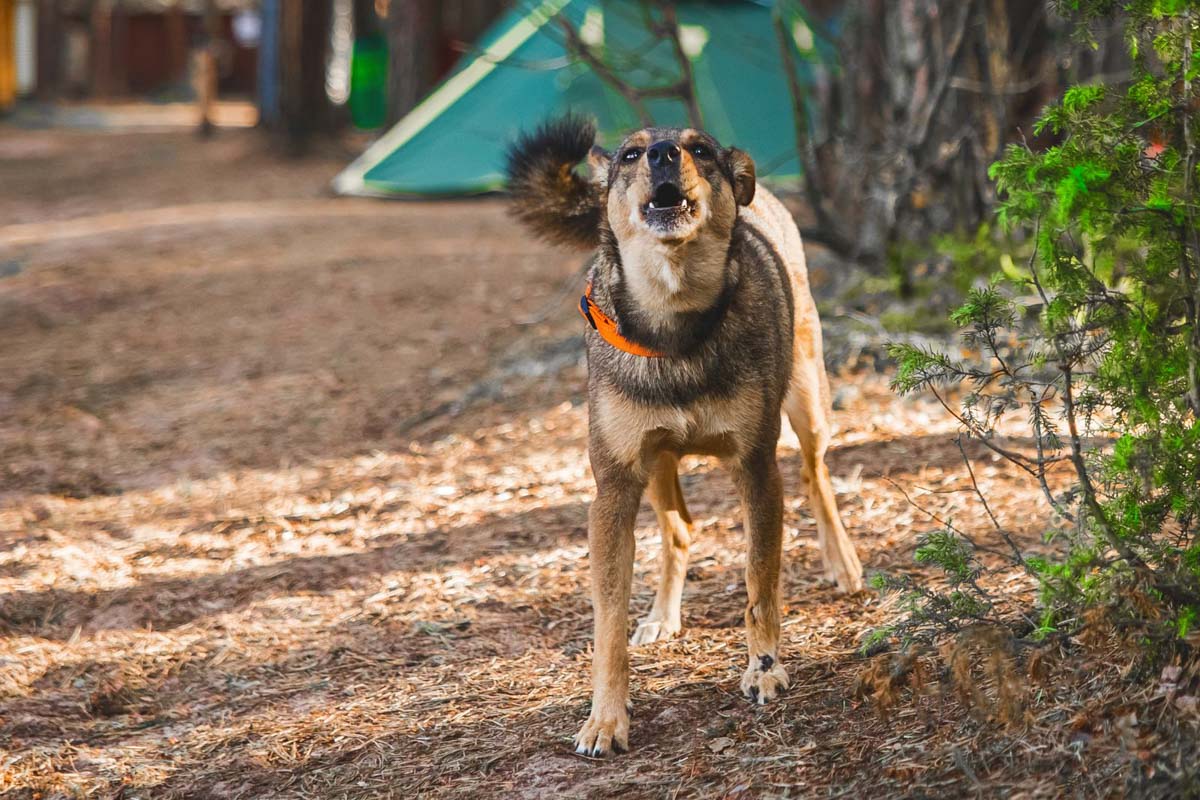

A growl is communication, not defiance. It’s a warning that a dog is uncomfortable or scared. Punishing that warning may silence the growl but doesn’t remove the reason behind it. Without the growl, you lose a critical signal before a potential bite. Respecting the message and working on what’s causing the fear or stress keeps everyone safer and helps the dog feel understood.
Are You Making One of These 10 Common Dog Training Mistakes?


Training your dog can be challenging, especially if you’re making common mistakes without even realizing it. From inconsistent commands to not socializing enough, these missteps can slow down progress and create frustration for both you and your pup. Let’s go over some of the most common dog training mistakes and how you can avoid them to make the process smoother and more effective.
Read it Here: Are You Making One of These 10 Common Dog Training Mistakes?
10 Controversial Dog Training Methods


Dog training methods can spark a lot of debates. Some techniques promise quick results, while others focus on building trust over time. But which ones really work, and which ones might do more harm than good? Here’s a look at 10 controThese 10 outdated dog training tips do more harm than good, yet people still follow them. Learn what not to do when training your dog.versial dog training methods and their effectiveness.
Read it Here: 10 Controversial Dog Training Methods
*Select images provided by Depositphotos.