


You might think it’s adorable when your dog is so excited to see you that they jump up on your leg, but small habits like that can turn into bigger problems if they stick. What feels cute today can create stress or even safety concerns later on. Dogs learn quickly which behaviors get attention, and once those patterns set in they’re harder to change. Catching and guiding these moments early keeps your home calmer and training on track while still letting your dog’s personality shine.
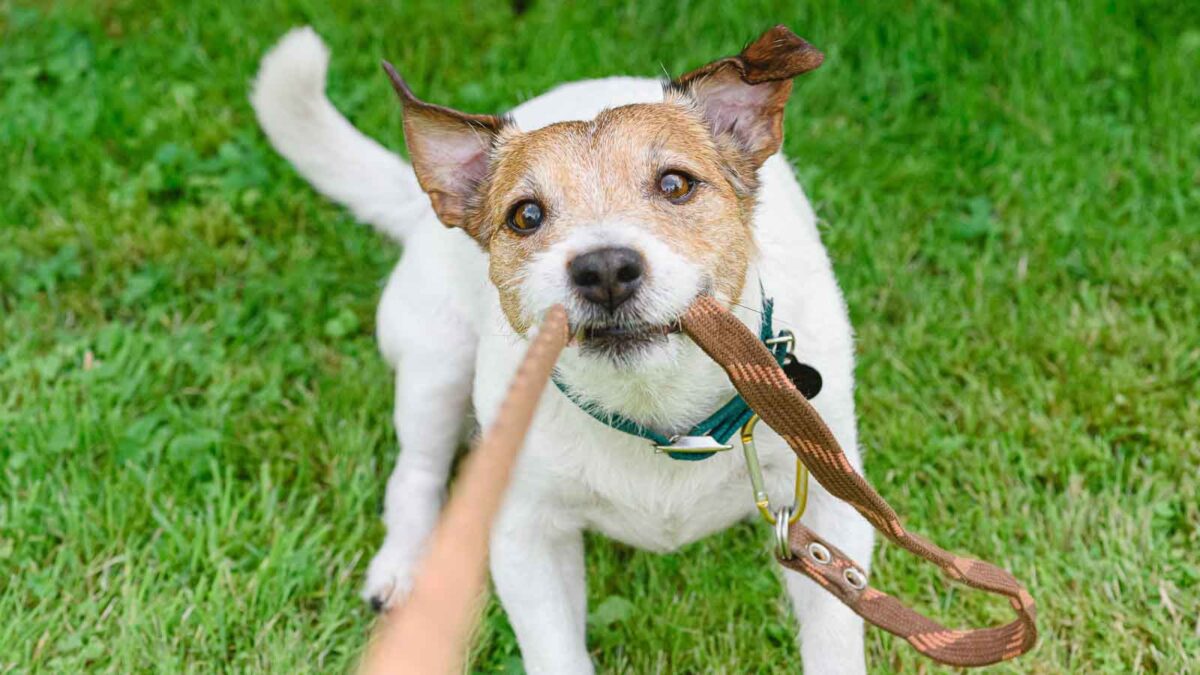

Jumping on people during greetings


It’s easy to smile when your dog greets you with an excited leap, but letting it slide teaches them that jumping is acceptable. Over time, this can lead to someone getting scratched or knocked over, especially with larger breeds. A calm sit command and consistent praise when all four paws stay on the floor set the right pattern early. Make every greeting a chance to reinforce that calm behavior gets the attention they want.
Begging for food at the table


Those pleading eyes are hard to ignore, but feeding from the table tells your dog that persistence works. This habit often leads to constant interruptions during meals and extra calories that add up to weight gain. Keep their meals on a set schedule and wait until the table is cleared before giving any attention. Rewarding patience and ignoring begging keeps mealtimes peaceful and healthier for your dog.
Chewing household items


Chewing helps dogs ease teething pain and boredom, but letting them gnaw on shoes or furniture sends the wrong message. Once they learn that anything on the floor is fair game, it’s hard to break the habit. Provide sturdy chew toys and praise them when they use those instead. If they grab something off-limits, calmly replace it with an appropriate toy so they understand what’s theirs.
Barking at strangers


A dog that alerts you when someone’s near might seem protective, but unchecked barking can grow into constant noise or anxiety-driven reactions. If it goes on, they may see every passerby as a threat and escalate their behavior. Teach a quiet command and reward calm responses when someone approaches. Early, consistent training helps them feel secure and prevents the habit from taking over.
Pulling hard on the leash
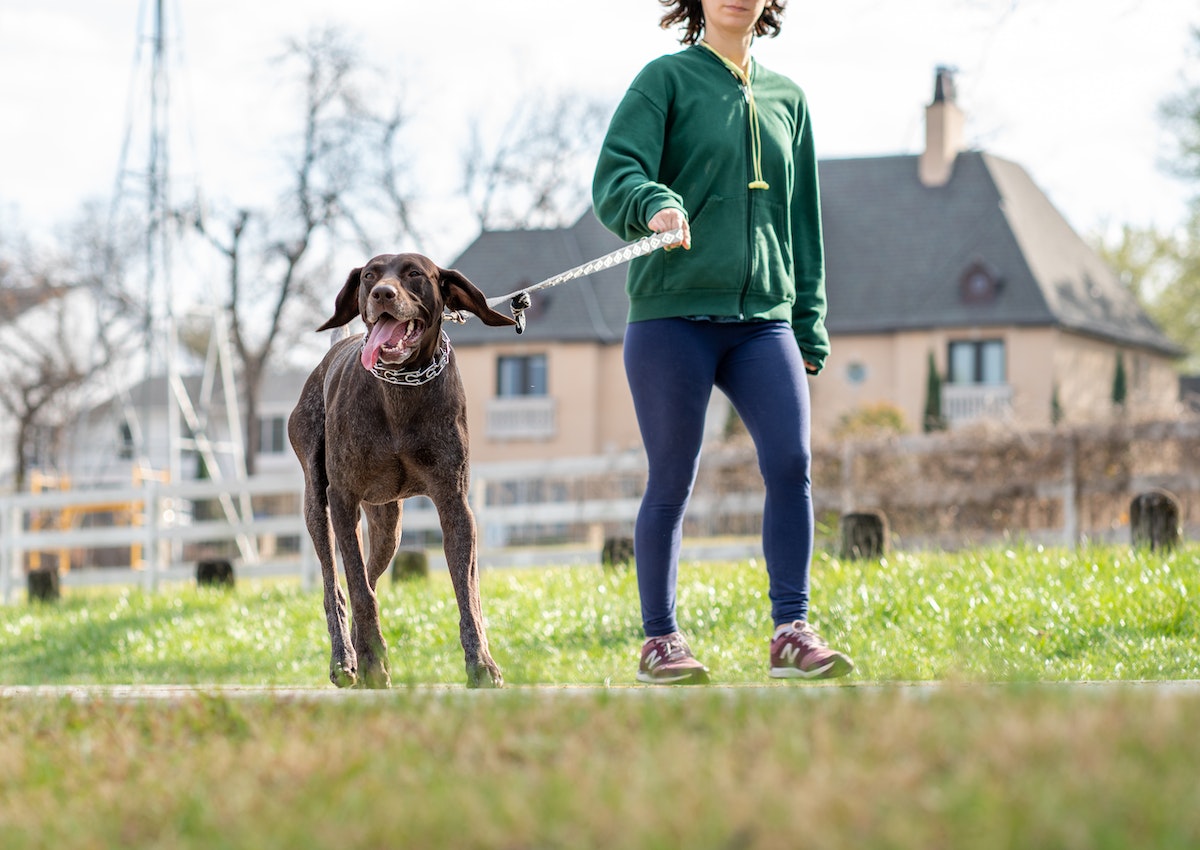

Many dogs tug the leash out of pure excitement, but allowing it to continue makes walks stressful and can strain their neck or your arm. It also teaches them that pulling gets them where they want faster. Stop walking when they pull and praise them when they stay beside you. Starting this habit early makes every walk safer and far more enjoyable.
Demanding constant attention


It might feel sweet when your dog paws or nudges for affection, but giving in shows that pushy behavior works. Over time, this can turn into nonstop demands that interrupt work, meals, or conversations. Instead, reward calm, patient behavior with affection and playtime. Teaching that attention is earned through good manners builds a more relaxed companion.
Climbing on furniture without permission


Sharing the couch can be fine if you decide the rules, but letting a dog climb wherever they like makes boundaries hard to enforce later. Without clear limits, they may claim beds, chairs, or counters as their own. Create a designated spot with a blanket or dog bed and invite them up only when you choose. Consistency teaches them when it’s okay and keeps your furniture cleaner and more manageable.
Digging in the yard


Digging might look playful, but constant holes can destroy landscaping and even damage fencing. Dogs dig for entertainment, to cool off, or to chase scents, so the urge is natural. Give them more mental exercise and provide a specific digging area like a sandbox to direct the behavior. Keeping them engaged and supervised turns an instinct that could wreck your yard into something controlled and safe.
10 Adorable Dog Behaviors That Actually Mean Something Serious


Dogs have their own unique ways of communicating with us through their behaviors. From head tilts to tail chasing, these actions are more than just adorable; they often have deeper meanings. Understanding what these behaviors signify can give you valuable insights into your dog’s health and emotions.
Read it Here: 10 Adorable Dog Behaviors That Actually Mean Something Serious
12 Common Dog Behaviors That Owners Misinterpret


Dogs have their own quirky ways of communicating, and it’s easy for humans to get their signals mixed up. Sometimes, we might think they’re just being cute or naughty, but there’s often a deeper meaning behind their actions. From tail wagging to licking, these behaviors can be misinterpreted if we don’t know what to look for.
Read it Here: 12 Common Dog Behaviors That Owners Misinterpret