


Life with a dog is a mix of joy, responsibility, and plenty of surprises. In the rush of everyday routines, it’s easy to overlook quiet risks that build up over time. You may not notice them at first, but they can shape your dog’s health and safety more than you think. Taking a thoughtful approach to daily care helps protect your pup and keeps those small oversights from turning into bigger problems.


Secure your dog in the car


Letting a dog roam freely in the car feels harmless until something unexpected happens. Sudden stops or accidents can send them flying, which is dangerous for everyone inside. A sturdy seatbelt harness or a well-fitted crate keeps them secure and makes every trip calmer and safer. Treat car safety as seriously as you would for a child.
Stay consistent with heartworm prevention


Heartworm disease starts with a single mosquito bite and can be life threatening. Even if you think the risk is low where you live, prevention matters year round. Monthly medication or a vet-recommended injection protects your dog from something far more serious and costly to treat. It is a simple routine that offers lasting protection.
Use an ID tag along with a microchip


A microchip is helpful, but someone has to bring your dog to a vet or shelter to read it. An ID tag with your current phone number speeds up a safe return if they get loose. Make checking and updating their tag part of your regular care so you never have to wonder how long a lost dog might be out on their own.
Choose a standard leash instead of a retractable one


Retractable leashes may seem convenient, but they give a dog too much freedom in unpredictable places. A sudden dash toward traffic or another dog can happen in an instant. A traditional leash keeps them close and easier to guide, which means more control and less risk during daily walks.
Watch the weather before heading out


Dogs feel the heat and cold more than you might expect. Hot pavement can burn paws and freezing conditions can lead to frostbite. Check sidewalks with the back of your hand in summer and limit time outside on frigid days. Protective booties or a coat can help, but planning walks around the weather is the first line of defense.
Keep unsafe foods out of reach


Chocolate, grapes, onions, and many other foods can harm a dog even in small amounts. Leaving snacks on the counter or table invites trouble. Store food securely and clean up spills right away so your dog never has the chance to grab something dangerous when you are not looking.
Trim nails on a regular schedule


Long nails change how a dog walks and can lead to sore joints or painful breaks. Regular trims keep their paws healthy and help them move comfortably on any surface. If nail clipping feels stressful, ask your vet or a groomer to show you the safest way or to handle it during visits.
Supervise any time near water
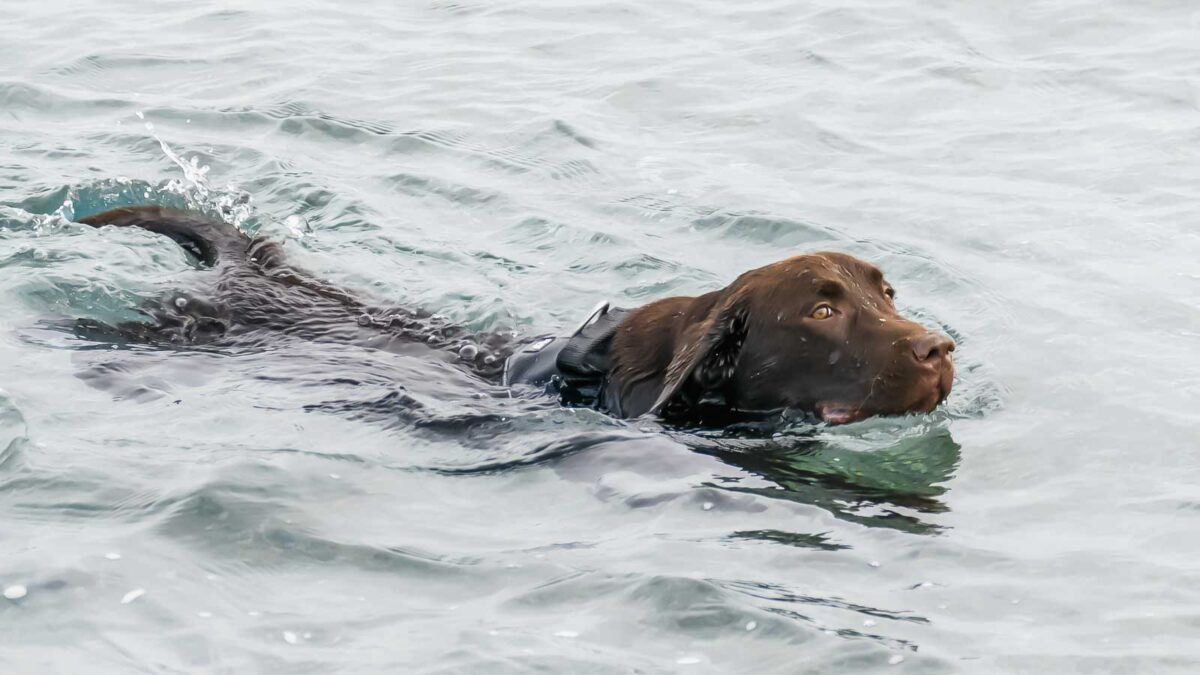

Even a confident swimmer can tire suddenly or get caught in currents or pool drains. Always stay close when your dog is near a lake, river, or pool. A life vest for boating or deep water play adds another layer of protection. Constant supervision is the best way to avoid accidents.
Check plants in your home and yard


Many common plants, including lilies, sago palms, and aloe, are toxic to dogs. Puppies and curious adults will chew on anything that looks interesting. Before planting a garden or bringing home a new houseplant, make sure it is safe for pets and remove anything that could cause harm.
Plan ahead for unexpected vet bills


Emergencies happen, and treatment can cost far more than expected. Pet insurance or a dedicated savings fund means you can act quickly if your dog needs care without worrying about how to pay for it. Preparing before something goes wrong gives peace of mind and ensures your dog gets prompt treatment when it matters most.
10 Essential First Aid Tips Every Dog Owner Should Know


As a dog owner, being prepared for emergencies is as crucial as daily walks and feeding. Whether it’s a minor injury or a more serious condition, knowing first aid can be a lifesaver for your furry friend. From learning how to perform CPR to assembling a first aid kit, these tips will equip you with the essential knowledge to handle common emergencies so you can act swiftly and keep your dog safe.
Read it Here: 10 Essential First Aid Tips Every Dog Owner Should Know
10 Toxic Plants To Dogs That Every Owner Should Know About
Keeping our dogs safe isn’t just about leashes and fences—it’s also about knowing what’s in our gardens and homes. Believe it or not, some pretty plants can be pretty dangerous to our furry buddies. Learn what makes these ten plants toxic and why you need to keep them out of reach from your dog.
Read it Here: 10 Toxic Plants To Dogs That Every Owner Should Know About
*Select images provided by Depositphotos.