


Choosing the right dog for a family with kids takes more than just picking a breed based on looks or popularity. Some dogs simply aren’t built for the chaos that comes with children. Loud noises, fast movements, and unpredictable behavior can trigger anxiety, aggression, or guarding instincts in certain breeds. While every dog is different, some are far more likely to struggle in a busy home with young kids. These breeds need structure, experienced handling, and a calmer environment than most families can realistically offer.


Cane Corso

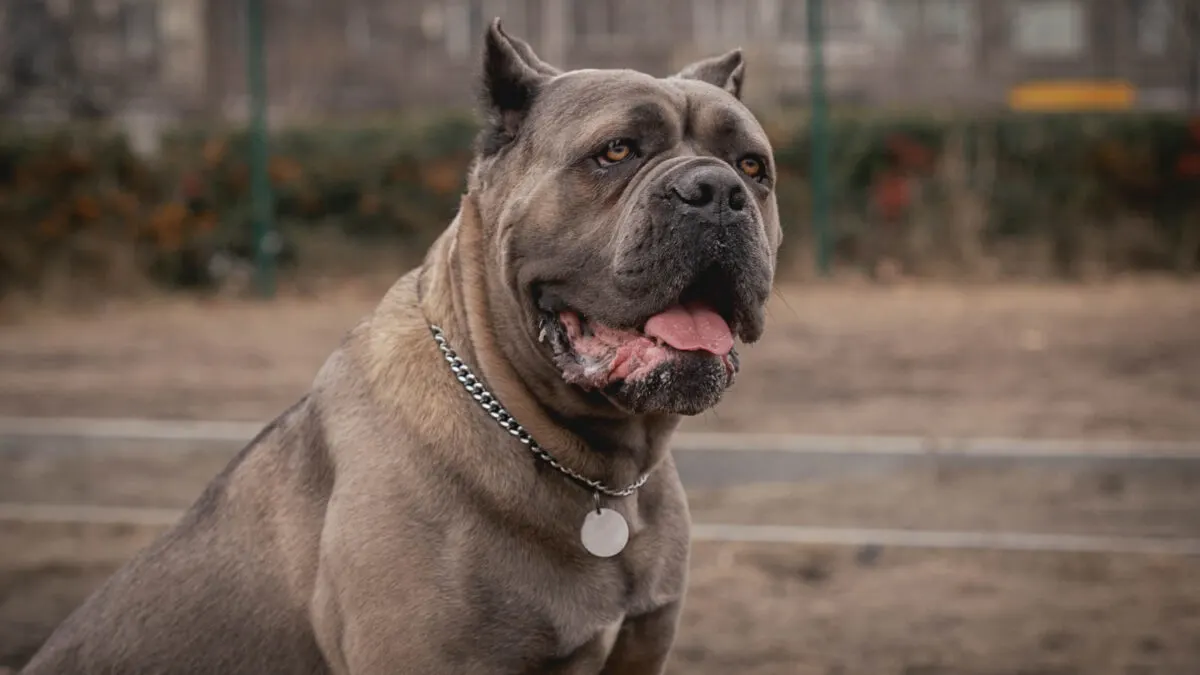
The Cane Corso is an imposing and powerful breed developed for guarding property. They are incredibly loyal to their family but can be easily triggered by fast movements, loud noises, or anything they interpret as a threat. Around children, especially those who don’t understand boundaries, this protective nature can escalate quickly. They need experienced handling and a calm, structured home, not one full of unpredictable energy.
Tosa Inu


Originally bred for fighting, the Tosa Inu carries a serious, dominant temperament. They are not naturally social and can be slow to warm up to strangers. In a home with small children who move erratically or speak loudly, these dogs may feel constantly on edge. Their sheer strength and lack of patience with chaos make them a poor match for young families.
Fila Brasileiro


Also known as the Brazilian Mastiff, the Fila is deeply devoted to its owners but extremely distrustful of outsiders. This includes unfamiliar children, even if they’re just visiting for the afternoon. Their protective instinct can quickly become aggression if they feel someone is invading their space. Raising a Fila requires confident training and close supervision, which is difficult to maintain around kids.
Perro de Presa Canario


This breed is strong-willed and needs clear leadership. In households with kids, especially young ones who don’t know how to interact respectfully with dogs, the Presa Canario can become reactive or overly dominant. Their tolerance for rough play is low, and their physical power makes even a small mistake risky. They do best in homes with structure and consistent adult supervision.
Kangal


Kangals are working dogs bred to protect livestock, and their instincts remain sharp even in a domestic setting. When children are running, yelling, or wrestling, Kangals can misread that behavior as danger and try to intervene. Their large size and watchful nature require a calm, respectful environment, not the chaos of a playroom.
Dogo Argentino


Bred for big game hunting, the Dogo Argentino is athletic, alert, and driven by a high prey instinct. This can become an issue when children are loud, quick, or constantly moving in and out of their personal space. Their energy is intense, and without rigorous training, they can become territorial or difficult to manage in a busy home.
Tibetan Mastiff


Tibetan Mastiffs are independent thinkers who prefer routine and personal space. They don’t always enjoy being handled and can react poorly to physical interactions they didn’t initiate. With kids, especially younger ones who can be overly affectionate or rough, this can quickly become a problem. They’re better suited to adult households where their boundaries are respected.
Caucasian Shepherd Dog


Also known as the Caucasian Ovcharka, this breed was designed to guard flocks from predators. That same intensity can transfer into the home, where unfamiliar children may be viewed with suspicion. Even within the family, they may not tolerate loud play or unpredictable behavior. Their size, strength, and reactive nature demand constant supervision and a highly structured environment.
Central Asian Shepherd Dog
This breed is confident, stubborn, and extremely protective. Central Asian Shepherds often do not tolerate being teased or approached abruptly, something young kids do without thinking. They are not naturally social dogs and require strong leadership, socialization, and space from daily chaos to stay balanced. Families with kids often struggle to provide the consistency these dogs need.
Basenji


Basenjis are small and clean, but their independent personality makes them hard to read and even harder to train. They tend to avoid interaction they don’t initiate, and they aren’t always tolerant of sudden grabs or loud noise. With children who may test those limits, a Basenji is more likely to retreat or snap than engage. This breed is better suited to homes without small kids or constant stimulation.
Shikoku


The Shikoku is alert, sensitive, and quick to react. Originally bred for hunting, they have a strong prey drive and a cautious nature. They don’t enjoy being startled and can become wary around high-energy children. They also require a lot of training and exercise, which many busy families struggle to provide consistently.
Azawakh


These sleek, sensitive sighthounds are emotionally reserved and often uncomfortable in noisy or unpredictable environments. Azawakhs don’t handle stress well and may become anxious or withdrawn in homes with loud children or sudden activity. They thrive in calm, quiet households with respectful interaction and a stable routine, which is the opposite of what most young families can offer.
Belgian Malinois


Belgian Malinois are extremely intelligent and driven, which makes them excellent working dogs but difficult family pets. They need constant mental and physical stimulation and are known to become reactive or even aggressive if underworked or overstimulated. Around children, their intensity can be overwhelming, especially if a child’s fast movements or noise triggers their herding or guarding instincts. Without an experienced handler and strict daily structure, this breed is too much for most households with kids.
9 Dog Breeds Known For Their Gentle Nature With Kids


When it comes to picking a dog that’s great with kids, some breeds just have that natural, gentle touch. These dogs are patient, loving, and somehow manage to keep their cool even when the kids are bouncing off the walls. From their calm demeanors to their protective instincts, these breeds know how to handle the chaos of family life without missing a beat. If you’re looking for a dog that will fit right in with your little ones, these pups are pros at making sure everyone stays happy and safe.
Read it Here: 9 Dog Breeds Known For Their Gentle Nature With Kids
10 Important Things To Teach Kids To Interact Safely With Dogs


Kids and dogs can get along just fine, but only if the kids know what they’re doing. Dogs aren’t complicated, but they do have boundaries, and ignoring those can lead to some pretty unpleasant moments. Teaching kids the basics of how to behave around dogs isn’t optional—it’s what keeps everyone safe and stress-free. From knowing when to back off to understanding what a wagging tail really means, these are lessons that matter.
Read it Here: 10 Important Things To Teach Kids To Interact Safely With Dogs