


Some dog breeds are more likely to deal with health problems, and that’s something every potential owner should take seriously. These dogs might be popular for their looks or temperament, but many come with long-term medical concerns that aren’t always obvious upfront. Frequent vet visits, medications, and ongoing care can quickly add up. If you’re considering one of these breeds, it’s important to understand the risks and be prepared for what they may need over time.


Bulldog


Bulldogs are one of the most recognizable breeds, but their appearance comes with serious health tradeoffs. Their short snouts can make breathing difficult, especially in heat or during exercise. Many suffer from chronic skin infections in their facial folds and have a high risk of hip and elbow dysplasia. These health concerns often require frequent vet care, ongoing medication, and in some cases, surgery. Bulldogs are charming, but they are far from low-maintenance.
Pug


Pugs are known for their goofy expressions and affectionate personalities, but they often deal with more health issues than most owners expect. Their flat faces can cause chronic breathing difficulties, especially in warmer weather or during activity. They are also prone to eye injuries and conditions like corneal ulcers, as well as obesity if their diet and exercise aren’t carefully managed. Keeping a Pug healthy means staying on top of regular vet visits and weight control.
German Shepherd


German Shepherds are intelligent and hardworking dogs, but they are genetically predisposed to several orthopedic and neurological conditions. Hip and elbow dysplasia are common, often leading to early arthritis. They also face an increased risk of degenerative myelopathy, a progressive spinal disease that affects mobility. Caring for a German Shepherd requires a strong focus on early screening, joint support, and long-term management of age-related issues.
Dachshund


Their long backs and short legs make Dachshunds a unique breed, but that same build puts them at high risk for intervertebral disc disease. IVDD can lead to sudden and painful back injuries that may require surgery or ongoing physical therapy. Simple activities like jumping off furniture can trigger damage, so prevention becomes part of daily life. Owners need to be mindful about how they handle and exercise these dogs to protect their spine.
Boxer


Boxers are energetic and loyal companions, but they are known for several serious health concerns. Many develop heart conditions such as cardiomyopathy, which can lead to fainting or sudden death without warning. Boxers also face an increased risk of various cancers, including lymphoma and mast cell tumors. Routine health screenings and early intervention are critical, and owners should be prepared for possible long-term treatment plans.
Great Dane


Great Danes are gentle and affectionate giants, but their size puts a strain on nearly every part of their body. They are especially prone to bloat, a life-threatening condition where the stomach twists and cuts off blood supply. Danes also face hip dysplasia, arthritis, and heart disease. Their short lifespan and need for specialized care make them a challenging breed to raise, emotionally and financially.
Cocker Spaniel


With their long ears and sweet eyes, Cocker Spaniels seem like the perfect family dog, but they come with several ongoing health challenges. Chronic ear infections are common due to poor airflow and moisture buildup in their floppy ears. They also have a higher-than-average risk of eye issues like cataracts and glaucoma. Keeping them healthy requires consistent grooming, regular ear cleanings, and frequent checkups to catch problems early.
Rottweiler

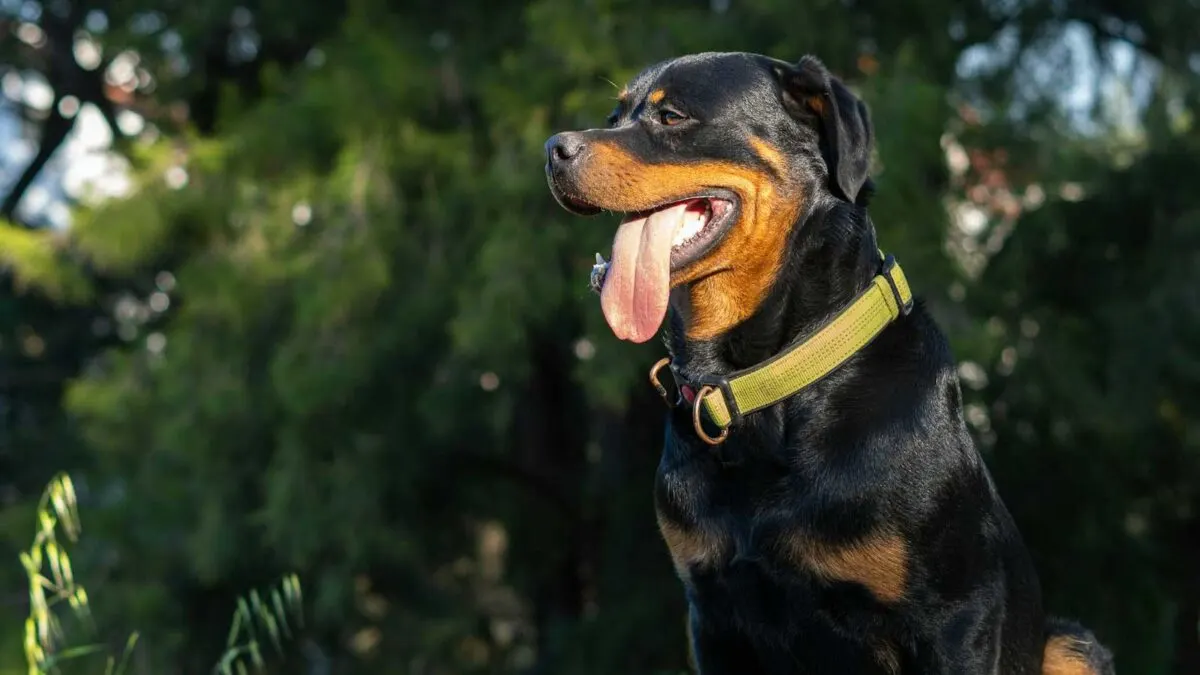
Rottweilers are confident and powerful dogs, but their health history includes a number of serious risks. Joint problems such as hip and elbow dysplasia can affect their mobility from a young age. They are also genetically predisposed to bone cancer and certain heart conditions, which often progress quickly and require aggressive treatment. Managing their health takes a proactive approach with regular screenings and proper weight management.
Cavalier King Charles Spaniel


This affectionate lapdog is beloved for its friendly personality, but it has one of the highest incidences of heart disease among all dog breeds. Mitral valve disease is extremely common and often leads to heart failure if not carefully monitored. Many Cavaliers also suffer from syringomyelia, a painful neurological disorder linked to their skull shape. These conditions often show up early in life and require lifelong care.
Doberman Pinscher


Dobermans are alert and loyal, but their sleek appearance hides a fragile cardiovascular system. They are at high risk for dilated cardiomyopathy, a serious condition that weakens the heart muscle and can result in heart failure. Dobermans are also prone to Wobbler syndrome, a spinal condition that affects movement and coordination. Early diagnosis and strict veterinary oversight are essential to give these dogs the best quality of life.
Shar Pei


Shar Peis are known for their distinctive wrinkles, but those deep skin folds can trap moisture and bacteria, leading to frequent infections. They also have a higher risk of entropion, a condition where the eyelids roll inward and cause the eyelashes to scrape against the eye. This often requires corrective surgery. On top of that, Shar Peis are prone to a genetic condition called Shar Pei fever, which can lead to kidney failure over time. This breed demands constant monitoring and specialized care.
Basset Hound


Basset Hounds may be laid-back and lovable, but they come with more than their share of health concerns. Their long ears create a perfect environment for chronic ear infections that require regular cleaning and vet care. Their short legs and elongated spine make them prone to back problems, and their tendency to gain weight easily adds to the strain on their joints. Without careful attention to diet, hygiene, and exercise, small problems can escalate quickly.
Irish Wolfhound


Irish Wolfhounds are calm and gentle, but their large size works against them when it comes to health. They have one of the shortest lifespans of any breed and are highly susceptible to conditions like dilated cardiomyopathy and bone cancer. Their size also makes them more vulnerable to joint issues such as arthritis and hip dysplasia. Raising one requires both emotional readiness and financial commitment to handle the challenges that come with a breed this large and fragile.
French Bulldog


French Bulldogs have exploded in popularity, but their health problems are hard to ignore. Their short snouts make breathing a constant struggle, especially in warm weather or during any kind of physical activity. Many require surgery to improve airflow, and they’re also prone to spinal disorders, allergies, and skin infections. Regular vet care is a must, and their medical costs can be significant over time.
Chow Chow


Chow Chows have a distinct look and a serious personality, but behind all that fluff is a breed with a long list of health concerns. They commonly suffer from hip and elbow dysplasia, autoimmune conditions, and eye issues like entropion. Their thick coat also makes them prone to skin irritations and overheating. Without consistent care and monitoring, small problems can turn into major ones.
Can I Walk My Dog 30 Minutes After Eating?


The age-old advice of waiting before swimming after a meal has been ingrained in our minds, but what about walking our furry friends? Many dog owners wonder if the same caution applies to their pets.
Read it Here: Can I Walk My Dog 30 Minutes After Eating?
How To Cut Black Dog Nails

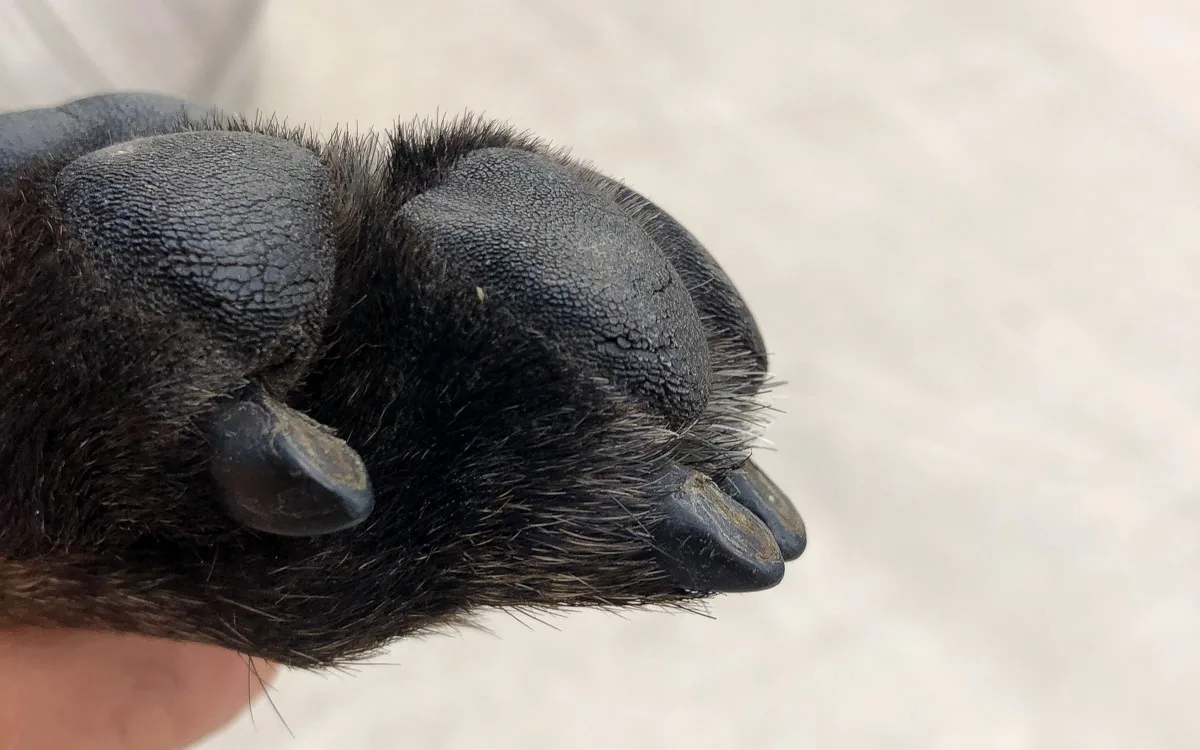
Trimming your furry friend’s nails can be a daunting task, especially when they have dark nails. The fear of cutting too close and causing pain can be nerve-wracking. But with the right approach and some expert guidance, you can confidently and safely trim your dog’s black nails, ensuring their comfort and paw health.
Read it Here: How To Cut Black Dog Nails
*Select images provided by Depositphotos.