


Dogs can’t tell you what’s wrong, but they’re constantly giving clues. The problem is, a lot of those signs get brushed off as quirks or bad behavior. If your dog has been acting off lately, there’s a good chance they’re trying to say something. It might be boredom, stress, or something deeper. Paying attention to the small stuff can make a big difference in how your dog feels day to day. Here are the warning signs that your dog isn’t as happy as they should be.


Loss of Appetite


If your dog suddenly stops eating or seems uninterested in food they usually enjoy, it could point to emotional stress or discomfort. While appetite changes can also signal illness, it’s often one of the first signs something is off emotionally, especially if there are no other physical symptoms.
Excessive Sleeping


Dogs sleep a lot, but if yours is sleeping more than usual or seems withdrawn and hard to wake, it might be more than just laziness. Excess sleep can signal boredom, depression, or a lack of mental stimulation.
Hiding or Avoiding People


If your usually social dog starts hiding under furniture, avoiding touch, or isolating themselves from the family, it’s often a sign they’re anxious or unhappy. Dogs that are stressed often withdraw to avoid interaction.
Lack of Interest in Play


A dog who loses interest in toys, games, or walks may be showing signs of emotional distress. This change in behavior often mirrors symptoms of depression in humans and shouldn’t be ignored.
Excessive Licking or Chewing


Constant licking of paws or chewing on themselves is sometimes a response to anxiety or stress. It can become compulsive and lead to skin damage if not addressed, and it’s often mistaken for just a grooming habit.
Pacing or Restlessness


Dogs that can’t seem to settle down, pace back and forth, or constantly shift positions may be feeling uneasy. Restlessness is often tied to emotional discomfort or frustration, especially in dogs that aren’t getting enough mental stimulation.
Frequent Whining or Whimpering


Vocalizations like whining or whimpering, especially when unprovoked, can indicate emotional distress. It’s your dog’s way of trying to communicate that something doesn’t feel right.
Sudden Aggression or Irritability
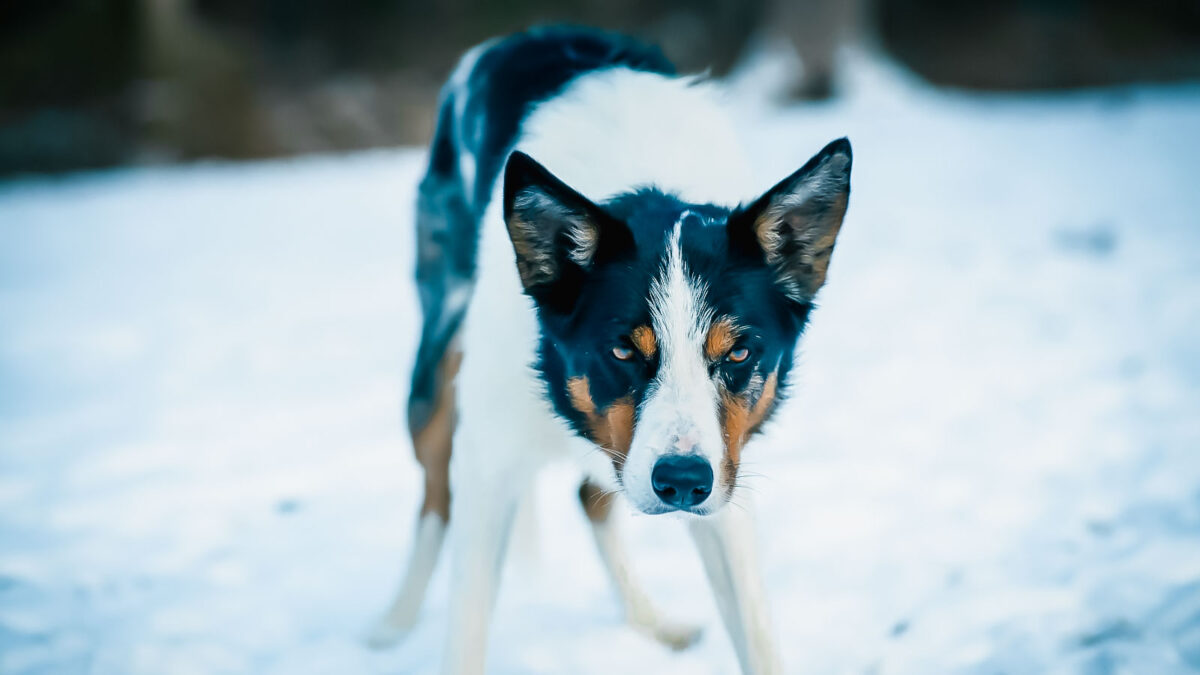

A normally even-tempered dog that starts growling, snapping, or showing signs of aggression might be feeling stressed, overwhelmed, or in pain. Sudden behavior changes should always be taken seriously.
Changes in Body Language


Look for tucked tails, flattened ears, hunched posture, or whale eye (showing the whites of their eyes). These are all signs your dog might be uncomfortable, nervous, or unhappy in their environment.
Destructive Behavior


Chewing furniture, digging, or tearing up items in the house can stem from boredom or stress. Dogs often act out when they lack stimulation or feel anxious and don’t know how to cope.
Increased Shedding


Dogs can shed more when under stress, especially during significant life changes like moving, new family members, or major schedule shifts. It’s easy to overlook but can be a subtle sign of emotional strain.
Potty Accidents in the House


If your housetrained dog suddenly starts having accidents, it may be due to stress, anxiety, or a disruption in routine. It’s not always about physical health—emotional wellbeing can affect this too.
10 Tips to Keep Your Senior Dog Happy and Healthy


As dogs get older, they need a bit more care to stay happy and healthy. Simple changes in their routine can make a big difference in their well-being. From adjusting their diet to ensuring they get gentle exercise, there are plenty of ways to help your senior dog thrive. Here are some practical tips to keep your aging pup in great shape.
Read it Here: 10 Tips to Keep Your Senior Dog Happy and Healthy
12 Signs Of A Happy Dog


Dogs have their own unique language for telling us how they feel, and when they’re happy, it’s impossible to miss. From playful antics to those quiet moments where they just lean into you, dogs have a way of letting us know when life is good.Dogs have their own unique language for showing us how they feel, and when they’re happy, it’s usually pretty clear.
Read it Here: 12 Signs Of A Happy Dog