


An anxious dog struggles to settle, constantly watching, pacing, or chewing to release stress. Every noise feels like a threat, every change throws them off. It’s frustrating to see them on edge and not know how to help. Medication isn’t the only option. The way you structure their day, engage their mind, and respond to their stress can either calm them or make it worse. With the right approach, you can help them feel safe, confident, and more at ease in their world.


Create a Predictable Routine


Dogs thrive on consistency. Unpredictability can increase stress, making them feel uneasy about when they’ll eat, go outside, or rest. Sticking to a regular schedule for meals, walks, playtime, and bedtime helps them feel secure and reduces anxiety caused by uncertainty.
Use Calming Pressure with a Weighted Blanket or Wrap


Light pressure, like a snug-fitting anxiety wrap or a weighted blanket, activates a calming response in many dogs. Similar to swaddling a baby, this technique can help them feel secure during stressful situations like thunderstorms or fireworks.
Engage Their Nose with Scent Work


Sniffing is one of the most effective ways to relax a dog. Hiding treats around the house, using a snuffle mat, or taking them on a “sniffari” walk (letting them lead and explore scents freely) engages their brain and lowers stress levels.
Play Low-Frequency Sounds or White Noise


Sudden noises can trigger anxiety, especially for sound-sensitive dogs. Playing white noise, soft instrumental music, or even low-frequency sounds like classical music can drown out stress-inducing background noise and create a calmer atmosphere.
Offer a Long-Lasting Chew or Lick Mat
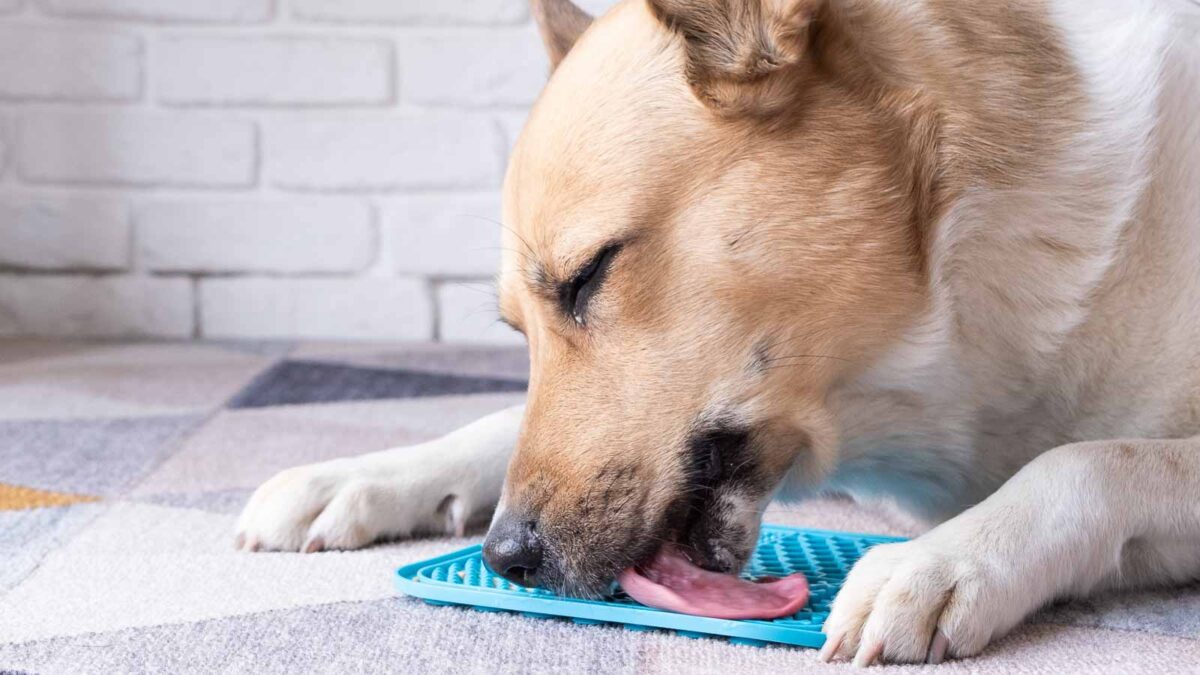

Chewing and licking naturally release calming endorphins. A frozen Kong filled with peanut butter, a healthy chew, or a textured lick mat provides mental stimulation while reducing anxiety and promoting relaxation.
Encourage Mental Stimulation with Puzzle Toys


Boredom can heighten anxiety, especially for high-energy dogs. Puzzle feeders and interactive toys keep their minds engaged, redirecting nervous energy into problem-solving rather than pacing, barking, or destructive behaviors.
Give Them More Control Over Their Environment


Allowing them to make small choices—like choosing between two different walking routes, picking a toy, or deciding when to enter or leave a room—boosts confidence. Giving them a sense of control helps lower stress and builds emotional resilience.
Use Gentle Massage or Acupressure


Light, repetitive strokes along the spine or chest can help lower stress hormones. Some dogs respond well to gentle pressure on calming acupressure points, like the top of the head or behind the ears, helping them relax in tense situations.
Incorporate Structured Exercise Instead of Overstimulation


Too much unstructured excitement can increase anxiety rather than relieve it. Activities like structured fetch, agility courses, or controlled tug-of-war give them a sense of purpose while burning nervous energy in a productive way.
Model Calm Behavior and Adjust Your Own Energy


Dogs mirror human emotions. If you’re tense or agitated, they pick up on it and respond with stress. Moving slowly, using a relaxed voice, and avoiding sudden reactions help signal to them that there’s no need to worry.
9 Ways You’re Unknowingly Making Your Dog Anxious


Many dog owners don’t realize that some everyday habits can make their pets anxious. Inconsistent routines, lack of exercise, and too much alone time are just a few things that can stress your dog out. Understanding these common triggers can help you create a calmer, happier environment for your dog.
Read it Here: 9 Ways You’re Unknowingly Making Your Dog Anxious
10 Tips for Dogs Who Are Nervous Around Other Dogs


If your dog gets nervous around other dogs, you’re definitely not the only one dealing with the awkward growling-at-the-park moment. Socializing isn’t as simple as just showing up and hoping for the best, especially if your dog would rather avoid the canine crowd altogether. But there are smart, easy ways to help your furry friend feel more comfortable and confident around other pups. Here are a few.
Read it Here: 10 Tips for Dogs Who Are Nervous Around Other Dogs
*Select images provided by Depositphotos.