


Dogs may not speak our language, but they’re pretty good at dropping hints when something’s wrong. Subtle changes in how they act, move, or even look at you can be their way of saying they’re in pain. It’s easy to brush off some of these signs as quirks or bad moods, but they’re often more than that. Catching these signals early can help you address issues before they turn into bigger problems.


Change in Appetite


A sudden lack of interest in food or treats might indicate pain. Dogs often lose their appetite when they’re not feeling well, especially if chewing or swallowing is uncomfortable, or if their stomach is upset. Even a reduced enthusiasm for favorite snacks can be a clue.
Unusual Whining or Vocalizations


Dogs use vocalizations like whining, yelping, growling, or even howling as a way to express discomfort. If your typically quiet dog suddenly becomes more vocal without an obvious reason, it could mean something is bothering them physically.
Limping or Difficulty Moving


Limping, stiffness, or reluctance to move normally can signal joint pain, injuries, or muscle soreness. If they hesitate to climb stairs, jump onto the couch, or go for their usual walks, it’s a red flag that something might be hurting them.
Excessive Licking or Chewing


Persistent licking or chewing on a specific area, even when there’s no visible injury, often means pain or irritation. Dogs instinctively try to soothe themselves this way, and it could indicate anything from joint discomfort to skin issues or internal pain.
Change in Posture


Dogs in pain may sit, stand, or lie down in unusual positions to alleviate discomfort. A hunched back, tucked abdomen, or leaning to one side could all be ways to avoid putting pressure on a sore spot. These subtle shifts can be easy to overlook.
Irritability or Aggression
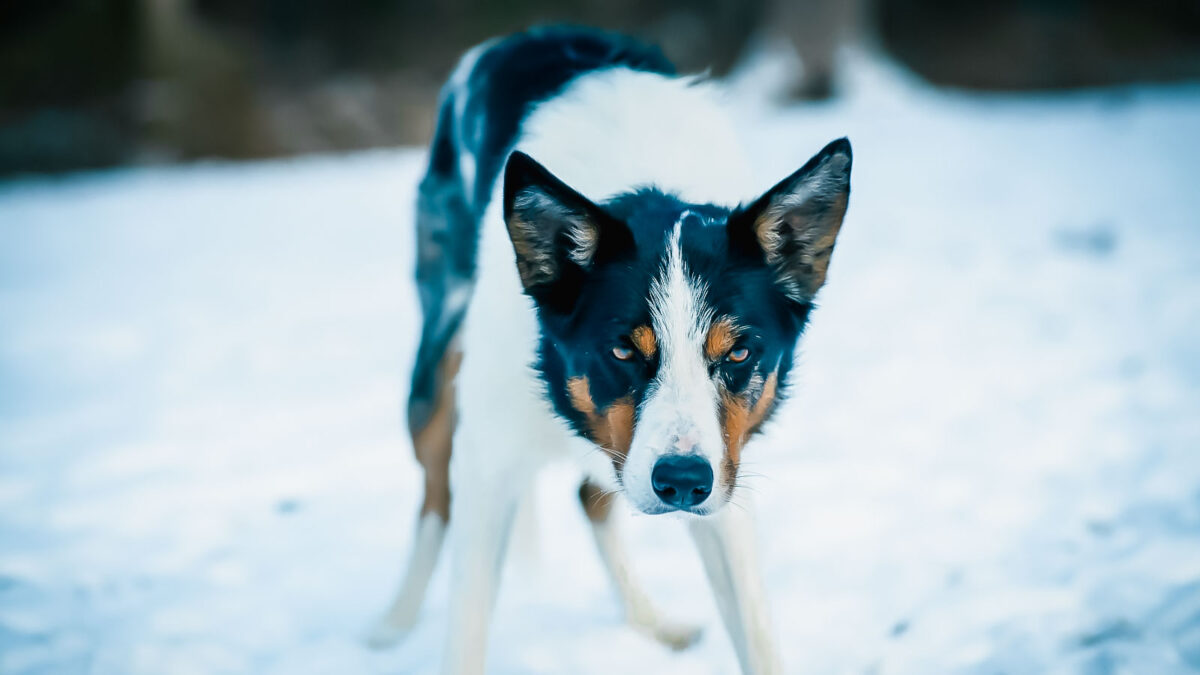

Pain can make even the most gentle dogs irritable. If your normally friendly dog starts growling, snapping, or avoiding interaction, they may be protecting a painful area. This is often their way of saying, “Please don’t touch me right now—it hurts.”
Increased Sleeping or Lethargy


Pain drains energy, so dogs may sleep more or avoid activities they usually enjoy, like playing or going for walks. A dog that seems disinterested or unusually sluggish might be conserving energy because they don’t feel well.
Changes in Breathing


Rapid, shallow, or labored breathing can be a physical response to pain. This can happen when discomfort affects their ability to rest or when internal pain makes breathing more difficult. If this happens suddenly or is paired with other symptoms, it’s serious.
Shaking or Trembling


Dogs might shake or tremble when they’re cold, but it can also be a sign of pain, stress, or even nausea. If trembling occurs out of context, like in warm conditions or without other stressors, it’s worth investigating for possible underlying discomfort.
Avoiding Physical Contact


Flinching, moving away, or avoiding touch are clear signs your dog might be in pain. This could be a way to protect a sore spot or to avoid interactions that might cause more discomfort. Their usual cuddly behavior might change drastically.
Restlessness or Pacing


Pain can make it difficult for dogs to find a comfortable position. Restless behavior, pacing, or frequently shifting spots can signal they’re struggling with discomfort. This is especially noticeable in dogs who are usually calm during quiet times.
Drooping Ears or Tail

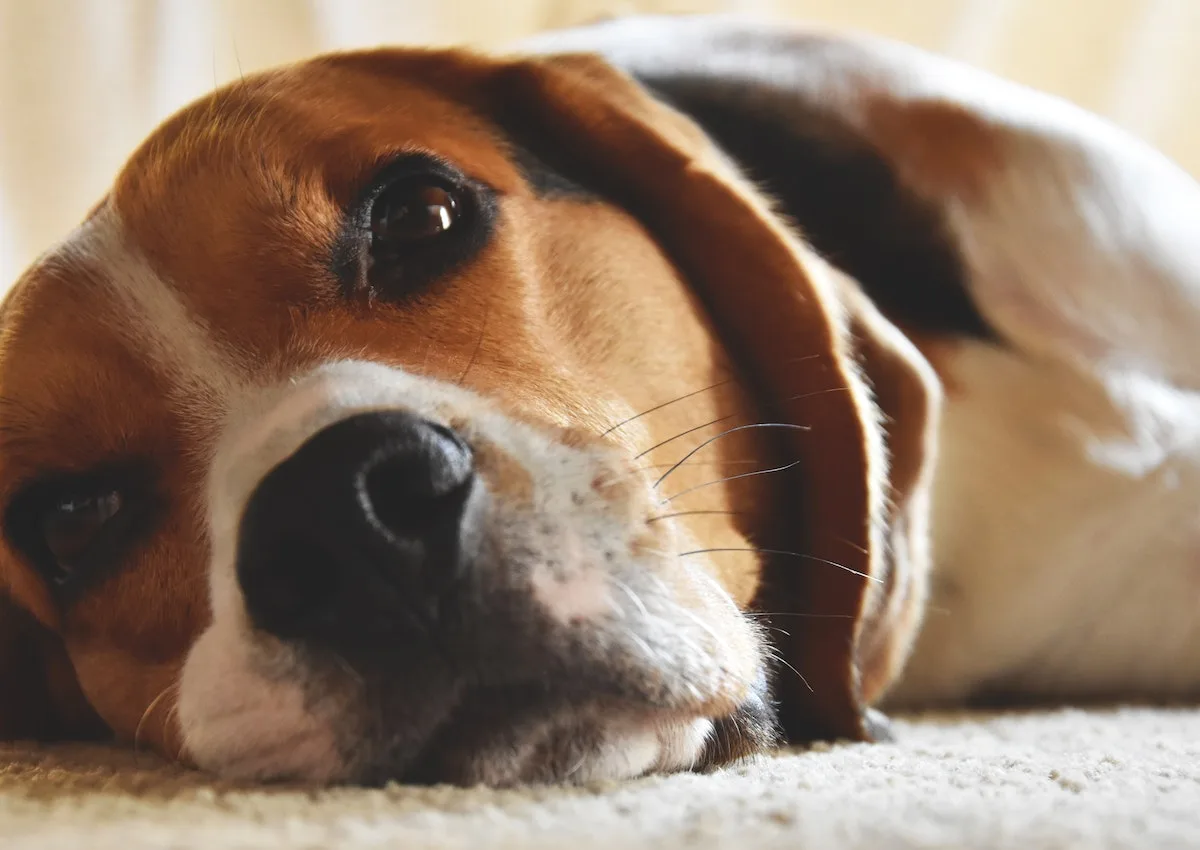
Body language like ears held lower than usual, a tail tucked between the legs, or an overall slouched posture can signal pain. Dogs often communicate discomfort or unease through subtle changes in how they carry themselves.
10 Tips For Managing Your Dog’s Separation Anxiety


If your dog gets anxious when you leave, you’re not alone. Many pet owners face the challenge of managing their dog’s separation anxiety. It can be tough seeing your best friend distressed, but there are effective ways to help them cope. Let’s walk through some practical tips to ease your dog’s anxiety and make your departures less stressful for both of you.
Read it Here: 10 Tips For Managing Your Dog’s Separation Anxiety
9 Ways To Make Vet Visits Less Stressful For Your Dog (And You)


Vet visits can be stressful for both dogs and their humans, but they don’t have to be a total nightmare. Sure, your dog might think it’s the end of the world when they walk through those clinic doors, but with a few clever tricks, you can turn the whole experience into something much less chaotic. Here’s how to keep things low-key and make them as comfortable as possible on your next visit.
Read it Here: 9 Ways To Make Vet Visits Less Stressful For Your Dog (And You)
*Select images provided by Depositphotos.