
Some dogs see a snowstorm and think, “Perfect, now I can live my best life.” While you’re bundling up and cursing the cold, these furry snow-lovers are out there rolling around like it’s the best day ever. Thick coats, built-in snow boots, and an attitude that screams “Winter? Bring it on.” These breeds don’t just tolerate the chill—they thrive in it.


Siberian Husky


With their thick double coat, these dogs are literally made for the cold. Bred in Siberia for pulling sleds across icy terrains, they have incredible endurance and can handle freezing temperatures without skipping a beat. Their fur keeps them insulated, and their bushy tail serves as a built-in scarf when they curl up to sleep.
Alaskan Malamute


These powerful dogs were developed to haul heavy loads across long distances in Arctic conditions. Their dense, waterproof fur and strong build make them perfect for snowy weather. The Malamute’s feet are like built-in snowshoes, distributing their weight evenly across the snow, helping them avoid sinking.
Samoyed


Known for their iconic “Sammy smile,” these fluffy dogs have a thick, weather-resistant coat that’s perfect for harsh winters. Originally bred to herd reindeer and pull sleds in Siberia, they thrive in cold temperatures. Their fur also doesn’t mat easily, keeping them warm and dry in snow.
Bernese Mountain Dog


These gentle giants have thick, silky fur that keeps them cozy even in the chill of the Swiss Alps. Originally bred as working dogs on snowy farms, their strong frame and endurance make them natural winter companions. They also have a calm, patient temperament that fits well with long, cold days.
Newfoundland


Though more famous for water rescues, Newfoundlands are built for cold weather with their double-layered, water-resistant coat. Their webbed feet not only make them great swimmers but also help them navigate snowy terrain. These gentle giants have a natural tolerance for cold, wet weather.
Saint Bernard


These iconic rescue dogs from the Swiss Alps are practically synonymous with snowy mountain conditions. Their thick, dense coat shields them from cold, while their strong, muscular build allows them to trudge through deep snow. Historically, they were trained to locate and rescue lost travelers during snowstorms.
Great Pyrenees


Originally bred to guard livestock in the freezing Pyrenees mountains, these dogs have a thick, waterproof double coat that keeps them warm. They can handle frigid temperatures and snowy weather with ease, and their independent nature means they’re comfortable spending time outdoors.
Tibetan Mastiff


Bred to guard livestock in the cold, high-altitude regions of the Himalayas, these dogs have a thick mane and double coat that acts as natural insulation against harsh weather. Their sturdy frame and aloof demeanor make them well-suited for cold, snowy environments.
Akita


Hailing from Japan, Akitas were originally bred to hunt in cold, mountainous regions. They have a plush, double-layered coat that keeps them insulated and warm even in freezing temperatures. Their sturdy build and endurance make them well-adapted to cold weather activities.
Chow Chow


With their dense, lion-like mane, Chow Chows have a unique double coat that’s perfect for winter weather. Originally from the frigid climates of Northern China, their thick fur keeps them warm, and their strong, sturdy build means they don’t mind playing in the snow for hours.
Keeshond


Known for their plush “cloud-like” coat, Keeshonds were bred to guard riverboats on chilly Dutch canals. Their dense fur acts as a thermal layer, allowing them to handle cold and damp conditions. Plus, their playful nature means they’ll happily romp in the snow all day.
Norwegian Elkhound


Bred for hunting in the harsh Norwegian wilderness, these dogs have a dense, waterproof double coat that’s made for cold weather. They’re agile, strong, and have the stamina to run through snow without getting tired. Their fur keeps them warm, even during icy treks.
Finnish Lapphund


Bred to herd reindeer in the icy regions of Finland, these dogs are natural winter enthusiasts. Their thick, water-resistant coat and fluffy tail that curls over their back protect them from harsh winds and snow, keeping them comfortable even in frigid temperatures.
American Eskimo Dog


Despite the name, these dogs aren’t from Alaska but are descended from German Spitz breeds. They have a dense, fluffy coat that insulates them from the cold, making them perfect for snowy climates. Their small but sturdy build means they’re nimble in icy conditions.
Shiba Inu

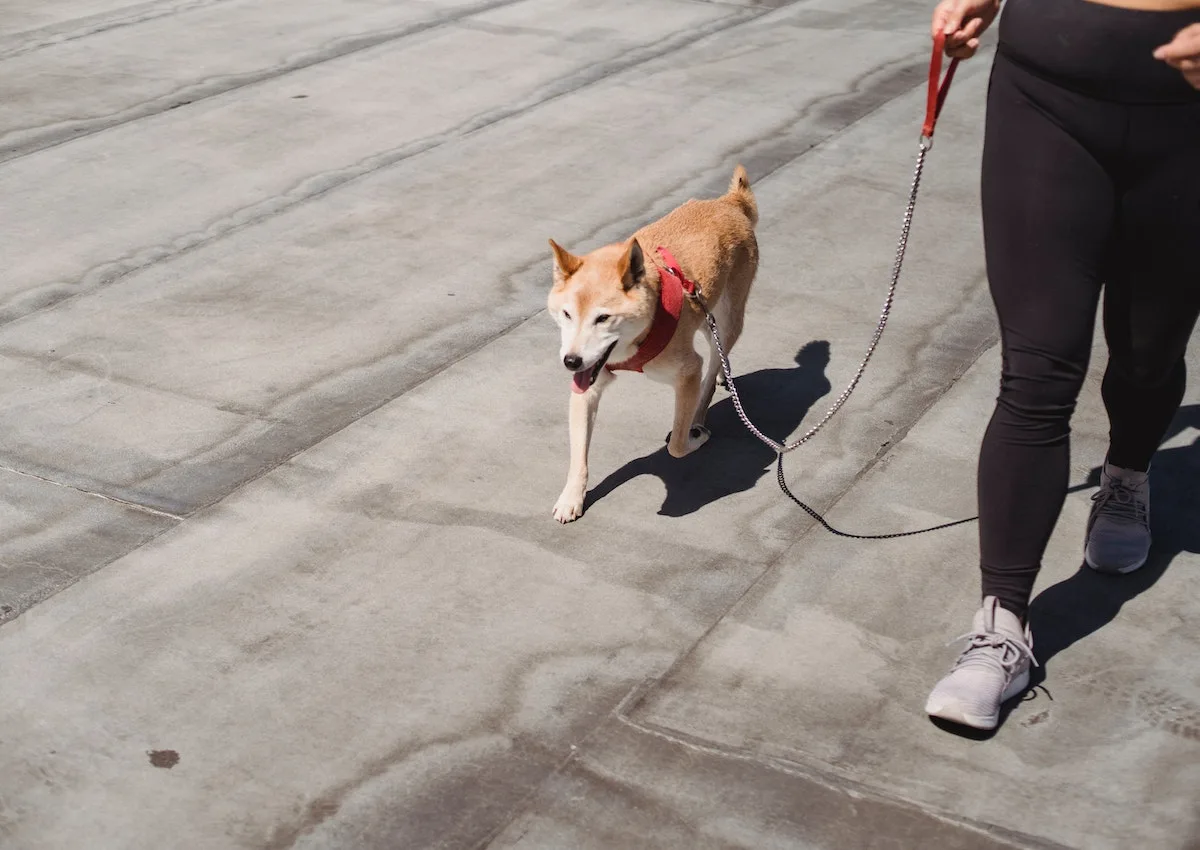
While they might not look as fluffy as other snow breeds, Shibas have a thick double coat that keeps them insulated during cold weather. Bred in the mountainous regions of Japan, they’re agile, independent, and handle winter conditions with ease.
12 Domestic Dogs That Could Be Mistaken for Wolves


There’s no denying the ancestry when it comes to these dogs. With their wild looks and majestic presence, these breeds could easily be mistaken for their wolf ancestors. From thick, double coats to piercing eyes, these dogs possess features that make them look like they just stepped out of the wild.
Read it Here: 12 Domestic Dogs That Could Be Mistaken for Wolves
9 Tips For Keeping Your Dog Safe And Happy During Winter Walks


Winter walks with your dog can be great—fresh air, a change of scenery, maybe even some snow to romp in—but they’re not without their challenges. Between freezing temps, icy sidewalks, and salt-covered streets, there’s a lot more to think about than just grabbing the leash. Keeping your dog safe and comfortable in these conditions takes a little extra effort.
Read it Here: 9 Tips For Keeping Your Dog Safe And Happy During Winter Walks
*Select images provided by Depositphotos.