
Dogs communicate in ways that can be easy to misunderstand if you’re not looking closely. What seems like bad behavior or simple cuteness often has a deeper meaning behind it. Learning to read these signals correctly can change how you respond to your dog. Once you understand them better, your bond becomes stronger and more intuitive.
Yawning


It’s easy to assume yawning means your dog is sleepy, but that’s not always the case. Dogs often yawn as a way to cope with stress or uncertainty. You might notice it during vet visits or unfamiliar situations. It’s their way of calming themselves down.
Chewing
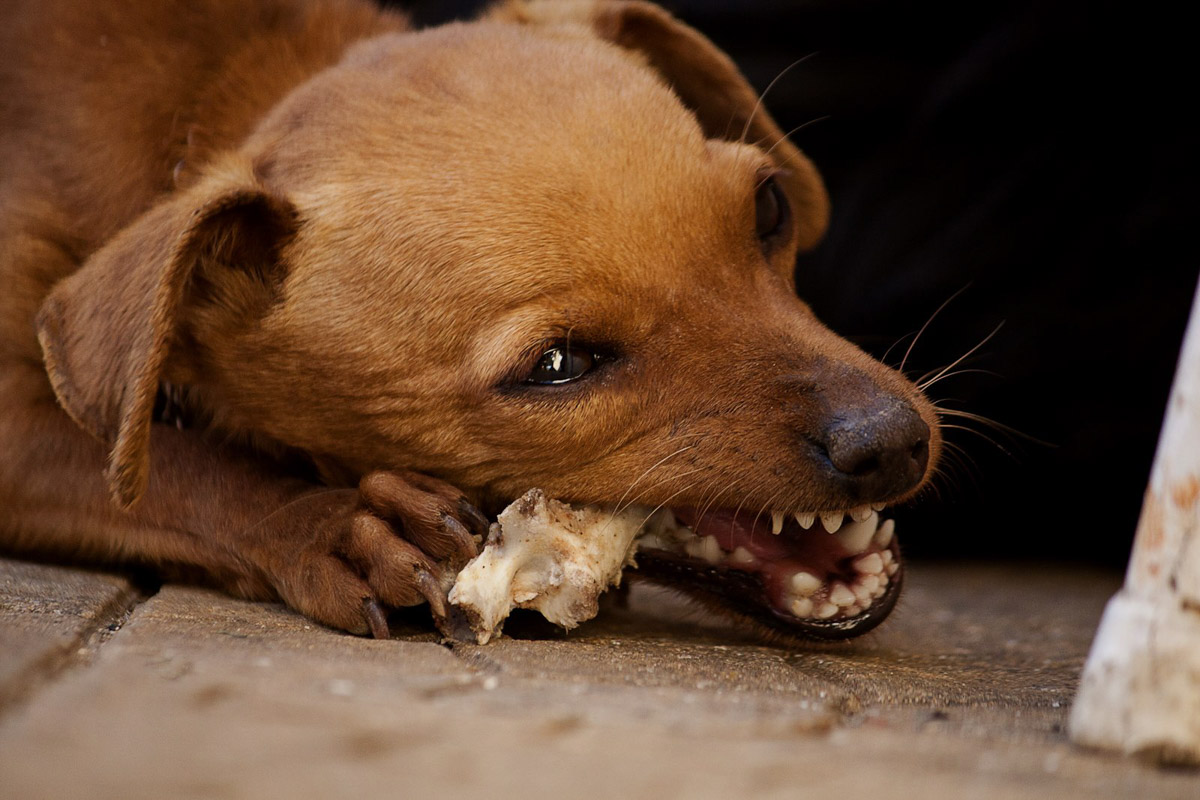
Chewing isn’t just destructive behavior—it’s completely natural. Dogs chew to relieve boredom, ease teething discomfort, or manage anxiety. Without proper outlets, they’ll turn to whatever is available. Giving them appropriate chew toys can make a huge difference.
Tail Wagging


A wagging tail doesn’t always equal happiness. The speed, height, and stiffness of the wag all matter. A fast, loose wag often shows excitement, while a stiff or slow wag can signal tension. Reading the full picture helps you avoid misjudging their mood.
Panting


Panting is commonly linked to heat, but it can also signal stress or discomfort. Dogs may pant when they’re anxious or even in pain. If it seems out of place, it’s worth paying attention. It could be their way of telling you something is wrong.
Digging


Digging might look like misbehavior, but it’s rooted in instinct. Dogs dig to cool off, hide items, or release pent-up energy. It’s especially common in active or bored dogs. Redirecting this behavior can help manage it without frustration.
Licking


Licking can mean affection, but it’s not always that simple. Dogs may lick to show submission, explore, or soothe themselves. Excessive licking can even point to anxiety or health issues. Watching when and how often it happens is key.
Jumping Up

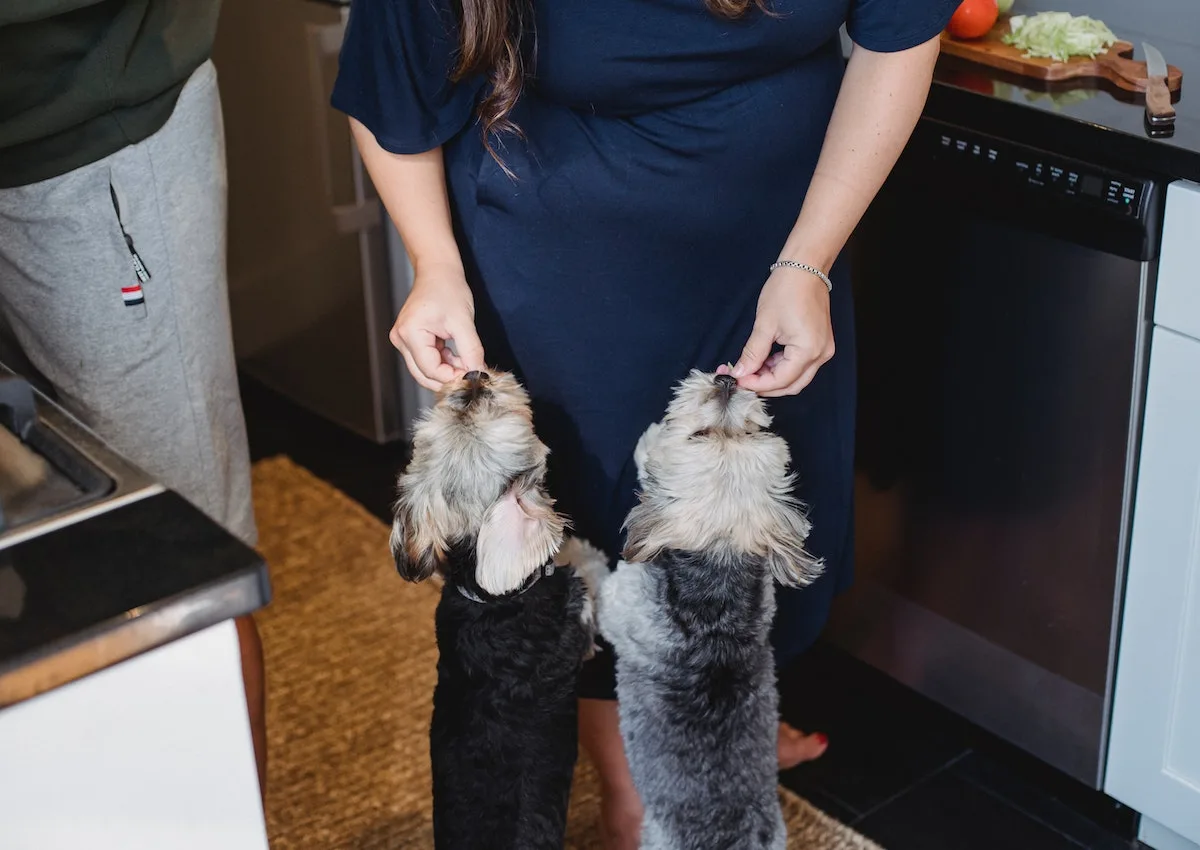
When dogs jump up, it’s usually not defiance—it’s excitement. They’re trying to get closer to your face and connect. While it can be inconvenient, the intent is friendly. Training can help manage it without discouraging their enthusiasm.
Growling
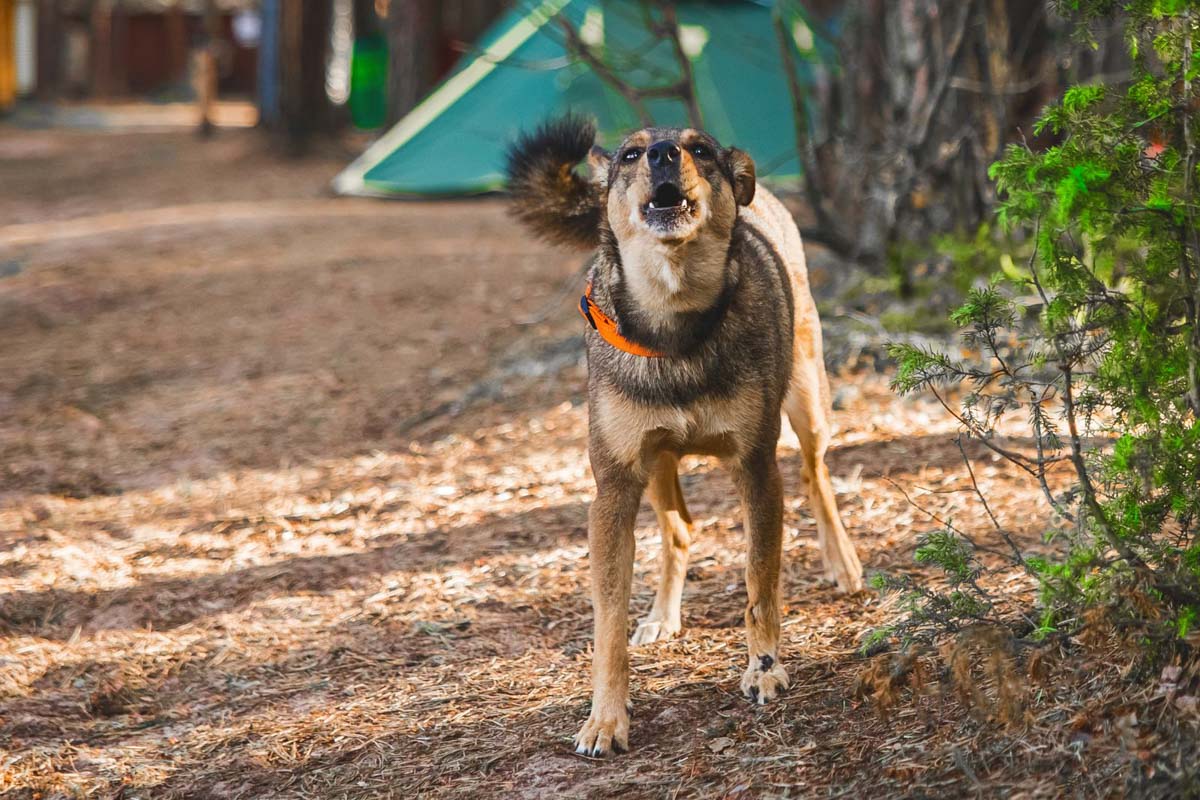

Growling is often misunderstood as aggression, but it’s actually communication. Dogs growl to express discomfort, fear, or a need for space. Ignoring it can escalate the situation. It’s better to understand what’s causing it and respond calmly.
Circling Before Lying Down


This little ritual goes back to their wild ancestors. Dogs would circle to flatten grass and check for danger before resting. Even today, that instinct remains. It’s a small glimpse into their natural behavior.
Staring
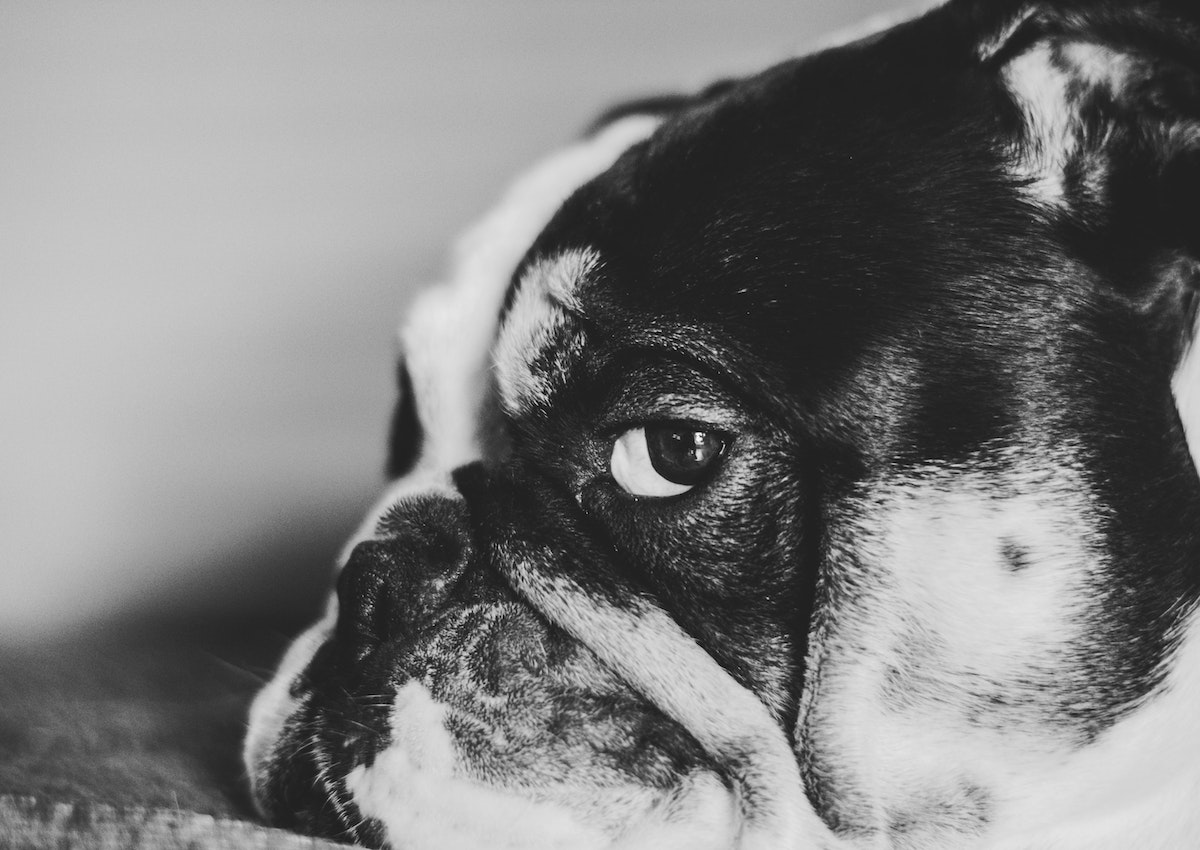

A steady stare can feel intense, but it’s not always threatening. Dogs often stare to communicate or wait for direction. They may be asking for something or watching for your next move. Context makes all the difference.
Rolling in Smelly Things


As unpleasant as it is, this behavior has instinctive roots. Dogs roll in strong smells to mask their own scent. It’s something their ancestors relied on while hunting. Unfortunately, it’s one habit that hasn’t gone away.
Head Tilting


That cute head tilt is actually your dog trying to figure something out. They’re adjusting how they hear or see to better understand what’s happening. It often appears when they hear unfamiliar sounds or words. It’s curiosity in action.