
Dogs have an incredible ability to communicate without making a sound. Through small movements, expressions, and everyday behaviors, they’re constantly sharing how they feel. The more you pay attention, the easier it becomes to understand them. Learning these silent signals can deepen your bond and make interactions feel more natural and rewarding.
Sniffing


When your dog is busy sniffing everything in sight, they’re not just wandering aimlessly. This is how they gather detailed information about their surroundings, from other animals to unfamiliar scents. It’s their version of reading the news. Sniffing can also be calming, helping them feel more secure in new environments.
Eye Contact
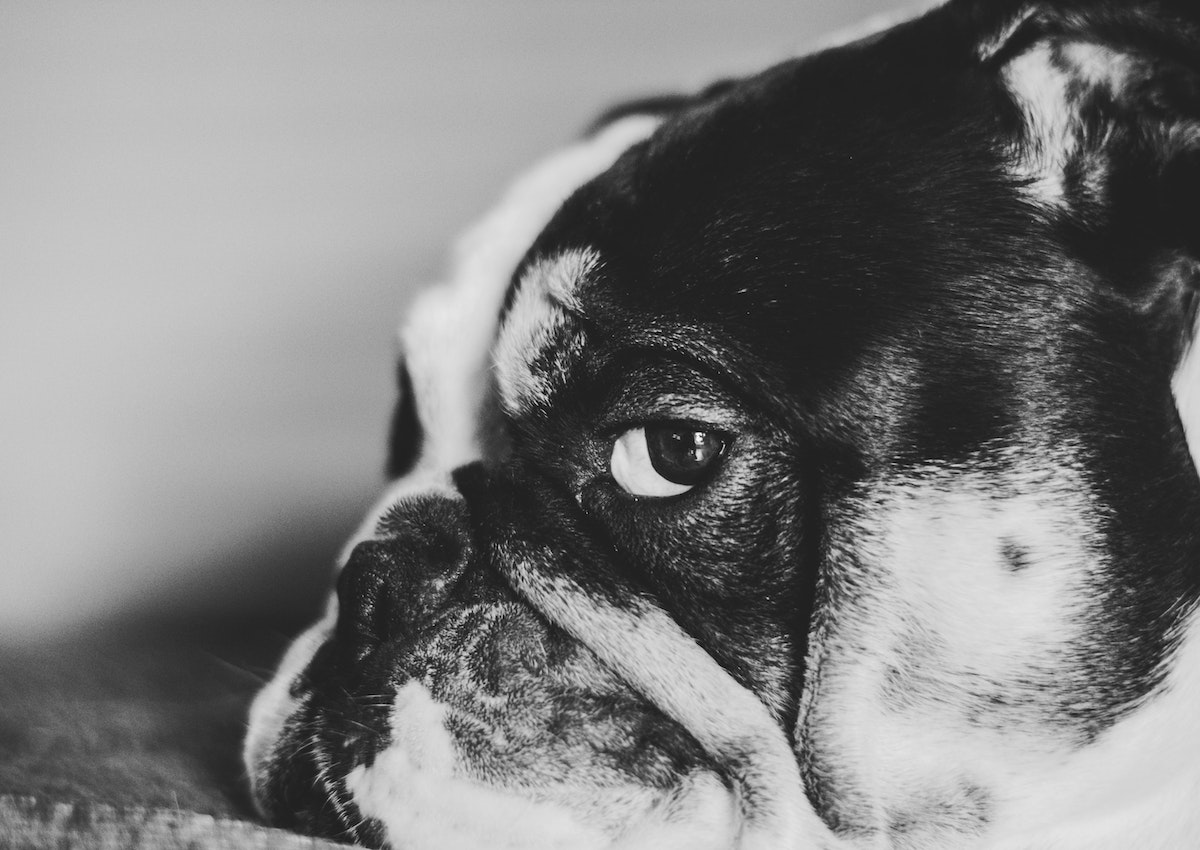

The way your dog looks at you says more than you might think. Gentle, relaxed eye contact is a sign of trust and affection. On the other hand, a fixed, intense stare can signal discomfort or a challenge. If they look away or blink slowly, it often means they’re trying to stay calm and avoid tension.
Tail Wagging


A wagging tail can mean many different things depending on how it’s done. Fast, loose movements usually show excitement or joy. Slower or lower wags can indicate uncertainty or caution. Paying attention to the position and speed helps you understand what your dog is really feeling.
Yawning


Yawning isn’t always about being tired. Dogs often yawn when they feel stressed or unsure about a situation. It’s a natural way for them to calm themselves down. You may notice it more in unfamiliar places or during tense moments.
Pawing


When your dog places a paw on you, they’re trying to get your attention. It can mean they want affection, playtime, or something specific like food. This gentle gesture is one of the clearest ways they ask for interaction. It’s their polite way of saying they need you.
Ear Position


Your dog’s ears are constantly moving to reflect how they feel. Forward-facing ears usually show curiosity or focus. Ears pulled back can signal fear, stress, or submission. Even small shifts can give you clues about their emotional state.
Rolling Over


When a dog exposes their belly, it’s a sign of trust and vulnerability. Many times, it’s also an invitation for affection. In some cases, it can show submission, especially if paired with avoiding eye contact. Context helps you understand what they mean.
Licking


Licking often shows affection and bonding, similar to how puppies interact with their mothers. It can also be a sign of submission or a way to seek attention. If it becomes frequent or intense, it may point to anxiety. Watching patterns can help you interpret it correctly.
Body Posture


A relaxed body with loose movements shows your dog is comfortable and at ease. Tension, stiffness, or leaning forward can indicate stress or alertness. A lowered body or tucked tail usually signals fear. Their posture gives you a full-body snapshot of how they feel.
Play Bow


The classic play bow is one of the clearest signals dogs use. With their front lowered and back raised, they’re inviting fun and interaction. It shows their intentions are friendly and playful. You’ll often see it when they’re excited to engage.