


Letting your dog sleep in your bed might seem like the ultimate bonding experience, but it can come with some serious downsides. What starts as a cozy cuddle can quickly turn into a nightly struggle, with more consequences than you might expect. From sleep disruptions to unexpected behavioral shifts, there’s more to consider than just sharing your pillow. If you think having your pup in bed is all about warmth and companionship, you might want to think again.


Sleep? What’s That?


If you value a full night’s sleep, letting your dog into your bed is a bold move. Dogs don’t stick to their side of the bed—they stretch, sprawl, and somehow manage to push you into the smallest corner. Add in their midnight pacing, loud snores, and occasional dreams where they kick like they’re running a marathon, and you’re left with anything but a peaceful slumber.
Fur Factory Central


Love your dog’s fur? You might feel differently when it’s coating your pillow. Dogs shed, and when they sleep in your bed, that fur doesn’t stay on them—it stays on your sheets, blankets, and pajamas. Even if you don’t mind a bit of fur, remember that it builds up quickly. Before you know it, your bed will look like a second dog has moved in, and that lint roller will become your new best friend.
Nighttime Gas Attacks


Dogs aren’t exactly known for their table manners, and that includes their ability to silently clear a room with one well-timed fart. Now imagine being trapped under the covers when it happens. The problem with sharing a bed is that you’re sharing everything—including those late-night gas attacks. If you’ve ever woken up in a cloud of doggie flatulence, you know it’s not the most pleasant way to start (or end) your night.
Territorial Battles


For a creature that sleeps most of the day, dogs sure know how to take over a bed. You start with a generous share of the mattress, but by morning, your dog has somehow claimed 90% of it, leaving you clinging to the edge for dear life. They might be small, but they have a knack for expanding in their sleep, turning what should be a restful night into an ongoing struggle for space.
Allergens and Dander


Even if you’re not allergic to your dog, their fur and dander can still trigger allergic reactions, especially when they’re in close contact all night. When you let your dog sleep in your bed, you’re not just sharing your space—you’re inviting allergens into your sheets, pillows, and mattress. It’s a breeding ground for sneezes, itchy eyes, and a never-ending cycle of congestion.
Dirty Paws, Dirty Sheets


You might think those quick paw wipes after a walk are enough, but dogs still manage to track dirt, mud, and who-knows-what-else into your bed. No matter how clean you try to keep them, those paws carry a day’s worth of grime. Once they hop into bed, all that dirt ends up on your once-clean sheets. Suddenly, your bed feels like more of a mudroom.
Zero Personal Space


If you’ve ever woken up with a dog laying on your face, you know that personal space is a foreign concept to them. They’ll nestle up close—sometimes too close—leaving you with a fraction of the bed and a lot less breathing room. What starts as a cozy cuddle quickly turns into a night of cramped quarters, with your dog taking up more space than seems physically possible.
Midnight Itch Fest


Dogs love a good scratch, and they don’t care what time it is. When they get an itch, they’ll go at it with everything they’ve got, shaking the bed like it’s an earthquake. The noise, the movement, the disruption—it’s all part of the experience. So much for a peaceful night’s sleep.
Early Morning Wake-Up Calls


If you think your dog is going to let you sleep in on a Saturday, think again. Dogs are creatures of habit, and when they decide it’s time to wake up, they won’t take no for an answer. Whether it’s a cold nose to the face or a paw on your chest, your dog’s internal alarm clock goes off bright and early, with no snooze button in sight. Kiss those lazy mornings goodbye.
Boundary Issues


Letting your dog sleep in your bed blurs the line between pet and pack leader. When they start claiming your bed as their own, it’s not just about comfort—it’s about control. Your dog might begin to see themselves as your equal (or superior), leading to behavioral issues like guarding, growling, or refusing to move. What started as a cozy arrangement could turn into a power struggle.
Why Do Dogs Sleep At The Foot Of The Bed?
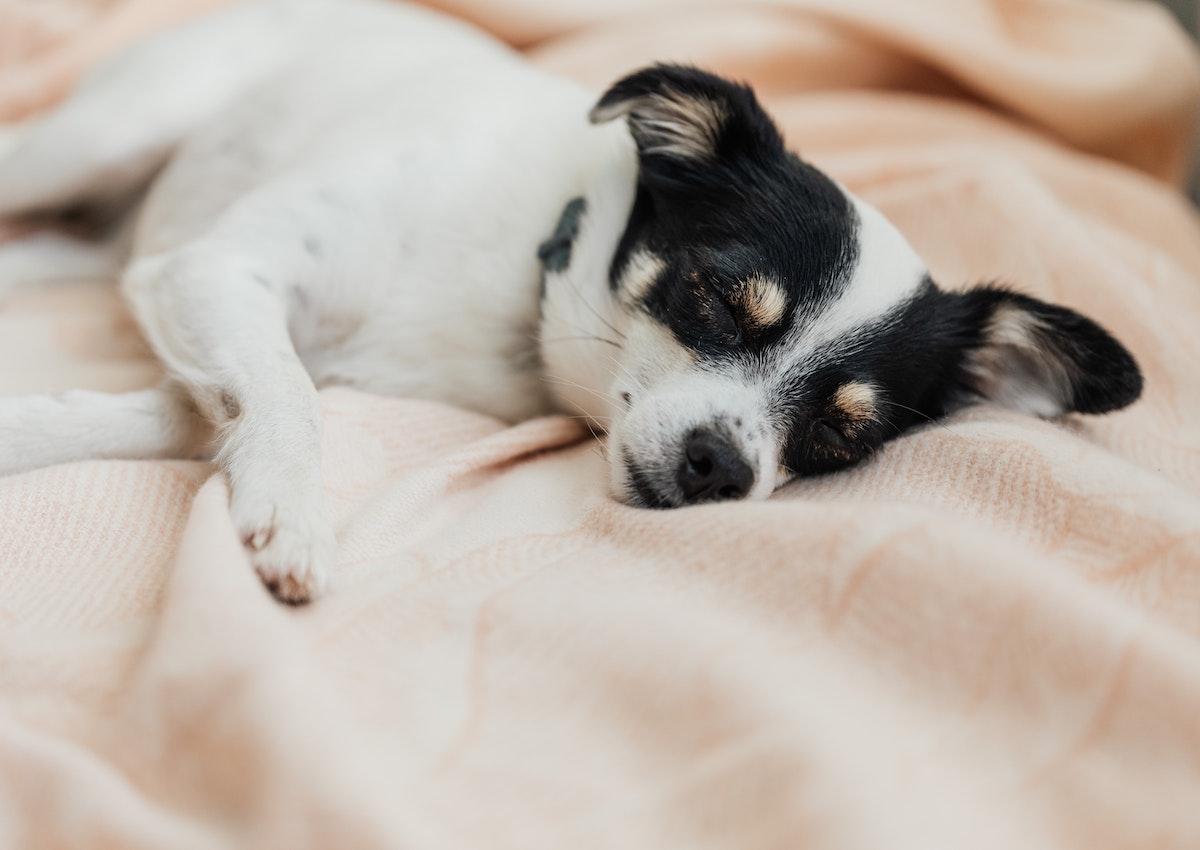

“Why do dogs sleep at the foot of the bed?” is a question that dog owners often wonder as our furry friends seem to squeeze out all the extra space making it so we can’t stretch out in comfort at night.
The mystery surrounding this dog sleep behavior is intriguing for pet parents and dog behaviorists. We’ll look into the possible reasons behind why dogs like to rest at their owner’s feet and try to understand if there’s a psychological, instinctual or behavioral reasoning behind it.
Read it Here: Why Do Dogs Sleep At The Foot Of The Bed?
Do Dogs Sleep With Their Eyes Open?


Sleep is a natural and essential behavior for all animals, including our furry friends. It’s during sleep that the body can repair itself, memories can be consolidated, and energy levels can be replenished. However, the way animals sleep can differ greatly from species to species. A commonly asked question is whether dogs can sleep with their eyes open. This intriguing question deserves exploration, delving into the realms of canine behavior, anatomy and sleep patterns.
Read it Here: Do Dogs Sleep With Their Eyes Open?
*Select images provided by Depositphotos.