

It can feel personal when your pet walks right past you and plops down next to someone else. But favoritism isn’t random, and it usually has very little to do with who bought the food. Animals are constantly reading the room, picking up on patterns, tone and behavior in ways people often overlook. Over time, those small signals add up and shape who they feel most comfortable around. The result looks like loyalty, but it’s really a series of quiet, everyday choices based on trust, familiarity and how someone makes them feel.


Calm and open posture


Animals are highly tuned into how people carry themselves. Someone who moves smoothly, avoids sudden gestures and doesn’t loom over them feels safer and easier to approach. Relaxed shoulders, soft eye contact and giving space go a long way in building comfort. A person who naturally crouches, sits or lets the animal approach on their own terms often becomes a preferred presence without even trying.
A voice that sounds steady


Tone matters far more than the actual words being said. A calm, even voice creates a sense of predictability and ease, while sharp or loud speech can make interactions feel stressful. People who speak gently and consistently tend to build trust faster because nothing about their sound feels unpredictable. Over time, that steady tone becomes familiar and reassuring.
A scent tied to good moments


Smell plays a huge role in how animals remember people. Someone whose scent is associated with calm walks, relaxed hangouts or quiet company becomes a comfort marker. Even subtle things like detergent, soap or the smell of a familiar home can influence who feels familiar or safe. When positive experiences pile up around one scent, preference follows naturally.
Predictable behavior


Consistency creates security. A person who reacts the same way each time, handles interactions gently and keeps a steady rhythm builds confidence without saying a word. Erratic behavior, even when well-intended, can make animals unsure of what to expect. Reliability becomes one of the strongest reasons someone earns loyalty over time.
Being the source of meals

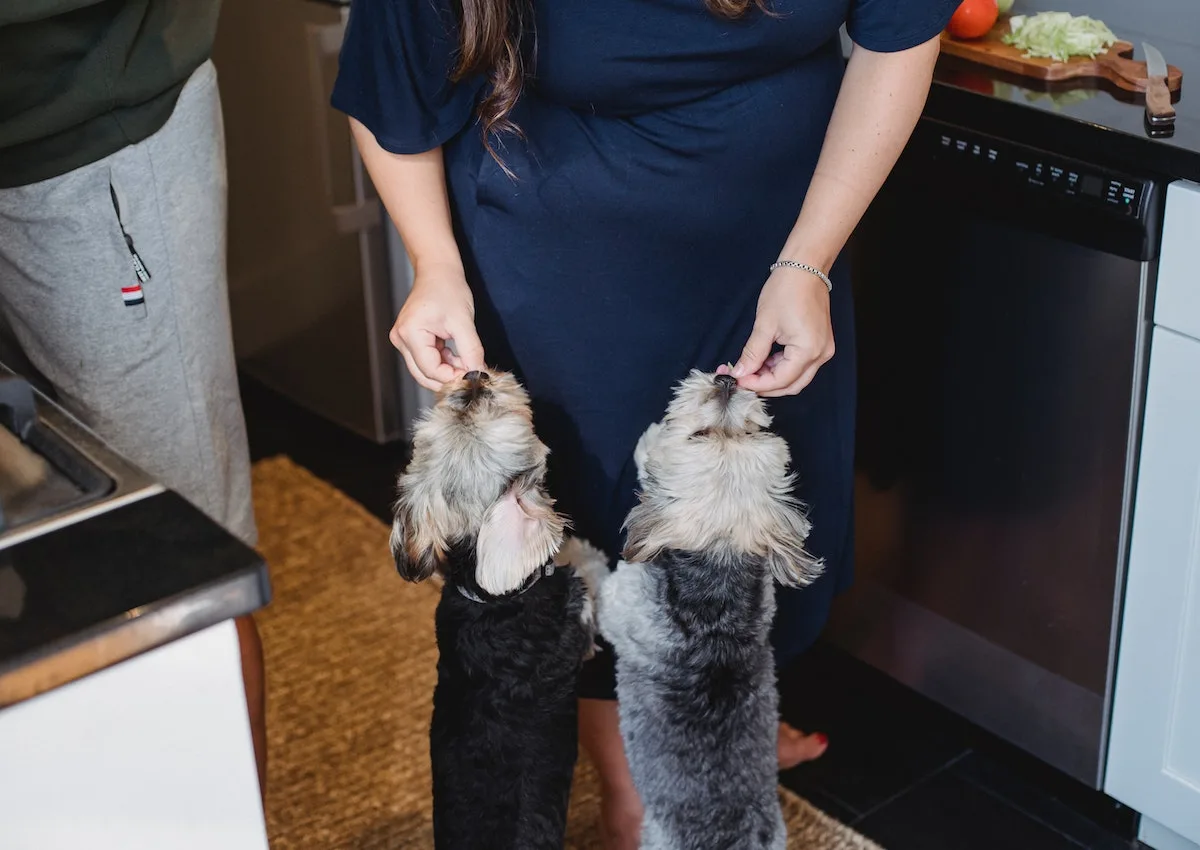
Food creates powerful associations. The person who fills the bowl or hands out snacks becomes linked to comfort, routine and care. It isn’t just about eating either, it’s about the ritual that surrounds it. Showing up regularly for that moment sends a message of dependability that sticks.
Matching energy levels


Animals tend to gravitate toward people who feel like a natural fit. A calm, quiet presence suits one personality while a playful, high-energy person suits another. When someone’s pace lines up with theirs, interactions feel easier and more natural. That compatibility builds preference without effort
Familiar faces and routines


Time spent together matters. The person who walks through the door every day, sits on the couch in the same spot or shows up for walks becomes part of the landscape. Familiarity removes uncertainty, and with it comes comfort. Over time, regular presence turns into emotional attachment.
Past associations


Experiences leave lasting impressions. If someone resembles a person linked to good or bad moments, those feelings can carry over even if the new person has done nothing to earn them. Animals remember patterns and similarities more than people realize. This is why some connections feel instant while others take longer to form.
Respectful physical contact


Not every animal enjoys the same kind of touch. People who pay attention to reactions and adjust accordingly tend to earn more trust. Gentle contact that stops when it’s unwanted builds a sense of control and safety. Being tuned in to boundaries often matters more than how much affection someone gives.
Making time for play

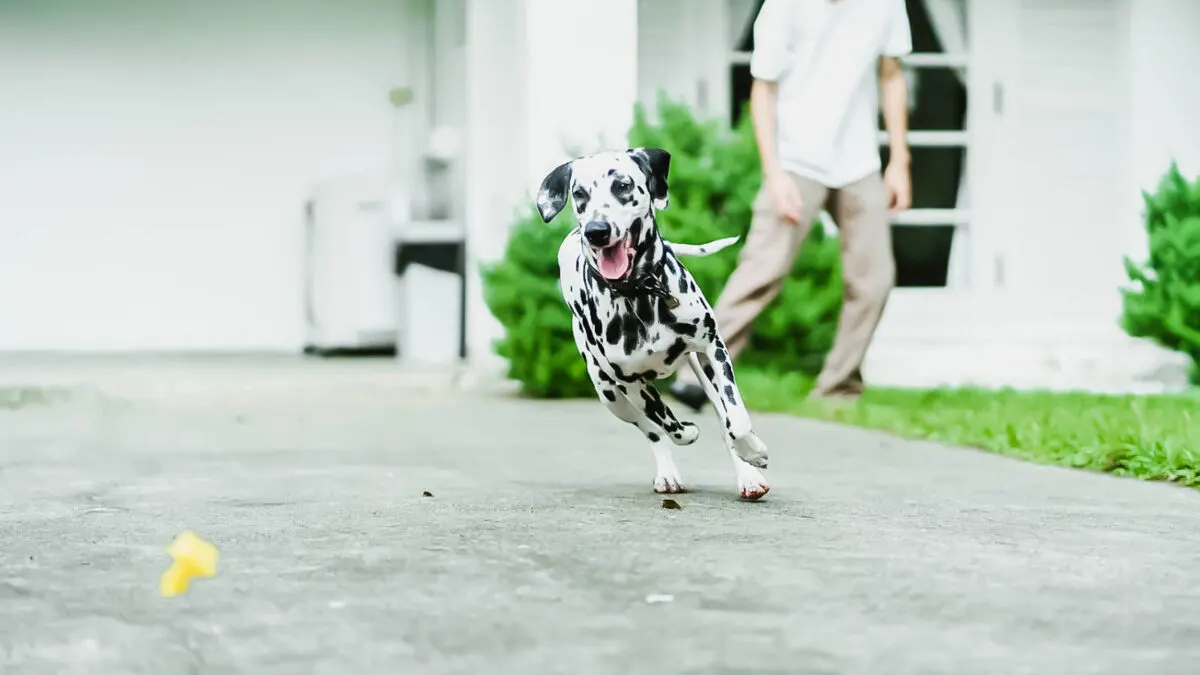
Play builds connection through shared experiences. Someone who engages in games, throws a ball or joins in simple activities becomes linked to excitement and fun. Those moments create positive emotional shortcuts that strengthen preference quickly. Fun is remembered just as clearly as food or routine.
A sense of safety


Trust grows when someone feels steady and respectful. Allowing space, avoiding force and letting interactions happen naturally makes a person feel like a safe choice. Animals often choose the individual who makes them feel least pressured and most understood.
Emotional availability


Quiet presence matters. Someone who sits nearby, talks softly or simply exists in the same space without demanding attention creates a sense of companionship. That kind of connection doesn’t rely on constant interaction. It’s built on shared calm, and that can be more powerful than anything else.
9 Signs Your Dog Loves You More Than Anything


Dogs have their own unique ways of showing love, and some of their behaviors can be downright heartwarming. From following you around the house to giving you those big, loving eyes, these actions speak volumes about their affection. Here are some of the ways your dog might be showing you that you’re their favorite person.
Read it Here: 9 Signs Your Dog Loves You More Than Anything
9 Things Your Dog Hates That You Probably Do
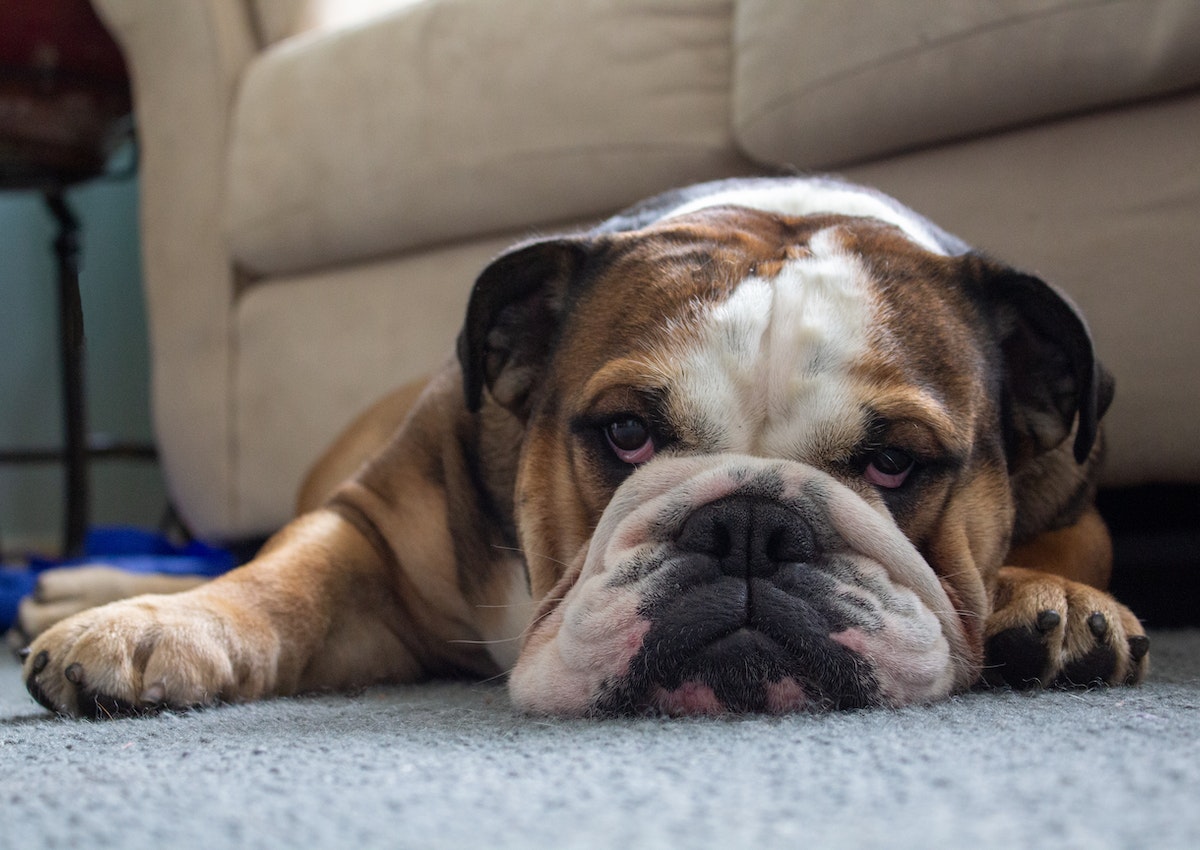

We adore our dogs, but sometimes we unknowingly do things that drive them crazy. Our best intentions can sometimes lead to stress for our pups. Take a look at the common mistakes we make and learn how to keep our dogs happier and more relaxed.
Read it Here: 9 Things Your Dog Hates That You Probably Do