

Helping a dog slim down often starts with the same advice a nutritionist would give people. Extra treats and oversized portions add up fast and can quietly lead to weight gain that affects energy and long-term health. Meaningful change doesn’t require drastic measures. Small, steady adjustments to how and when your dog eats and moves can have a real impact. By focusing on gradual improvement and consistency, you can guide your dog toward a healthier weight while keeping mealtime enjoyable and their daily routine balanced.


Measure meals with care


Guessing portions often leads to overfeeding, even if it seems harmless. Use a measuring cup and follow feeding guidelines based on your dog’s target weight, not just their current size. This way they still get a complete, balanced meal without unnecessary calories. Precise measuring also helps you track how much they eat and makes it easier to adjust portions as their weight changes over time.
Pick lighter treats

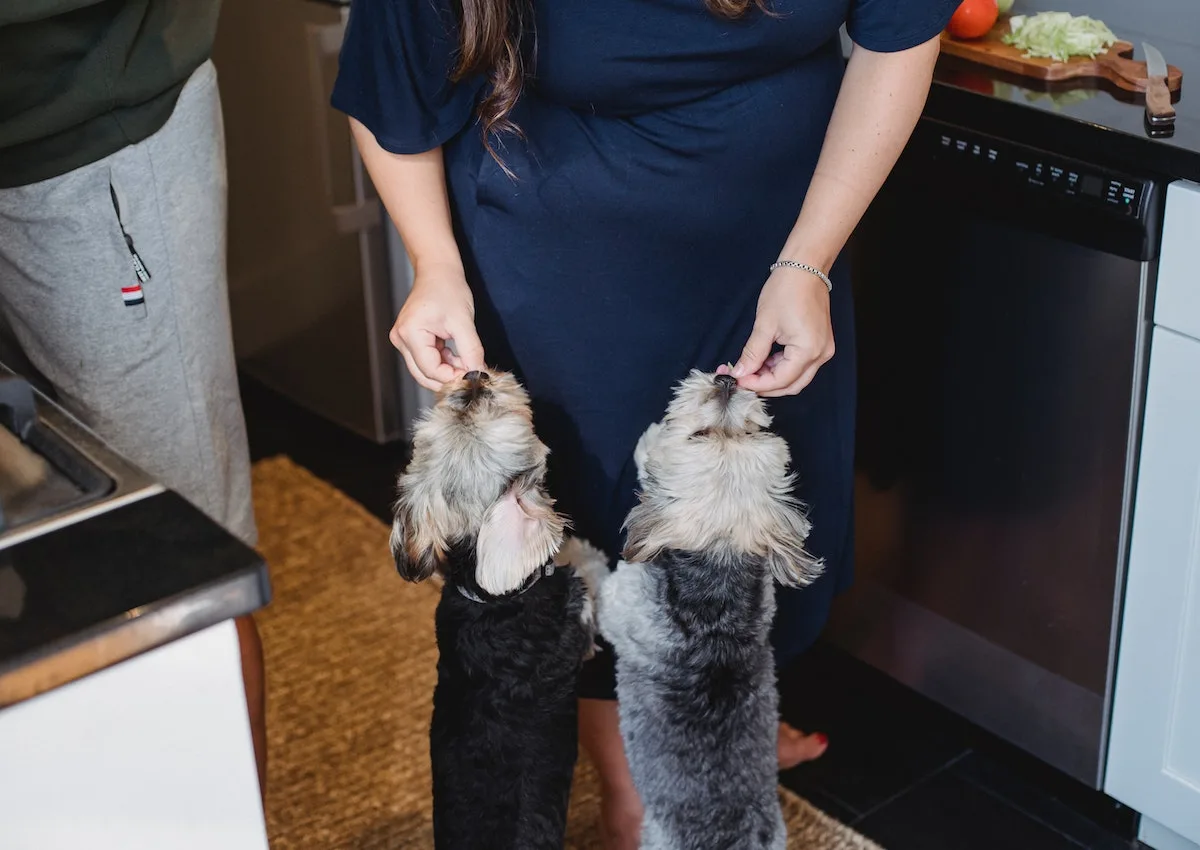
Many commercial dog treats pack more calories than you’d expect, which can quietly sabotage weight goals. Swap them for crunchy vegetables like green beans, cucumber slices, or small pieces of apple. These snacks provide texture and flavor that dogs enjoy while cutting back on fat and sugar. Keep portions tiny and consistent so those healthy extras stay truly low-calorie, and offer them during training sessions to make rewards more frequent but lighter.
Turn exercise into play


Weight loss is easier when movement feels like fun. Instead of just walking, build in active games like fetch with varied throws, hide-and-seek around the yard, or short sessions of tug-of-war. These activities give both physical and mental exercise, helping burn calories and reducing boredom-driven snacking. Mix up the games to keep your dog engaged and to challenge different muscle groups, which also supports overall fitness.
Use slow feeder bowls


Dogs that gulp their food eat more quickly than their stomach can register fullness, which can lead to overeating. Slow feeder bowls make them work around ridges or mazes, stretching mealtime and giving their body time to signal satiety. Slower eating not only helps control calories but can improve digestion and reduce bloating. Over days and weeks, this small change adds up to better portion control without making your dog feel deprived.
Add a few extra minutes to walks
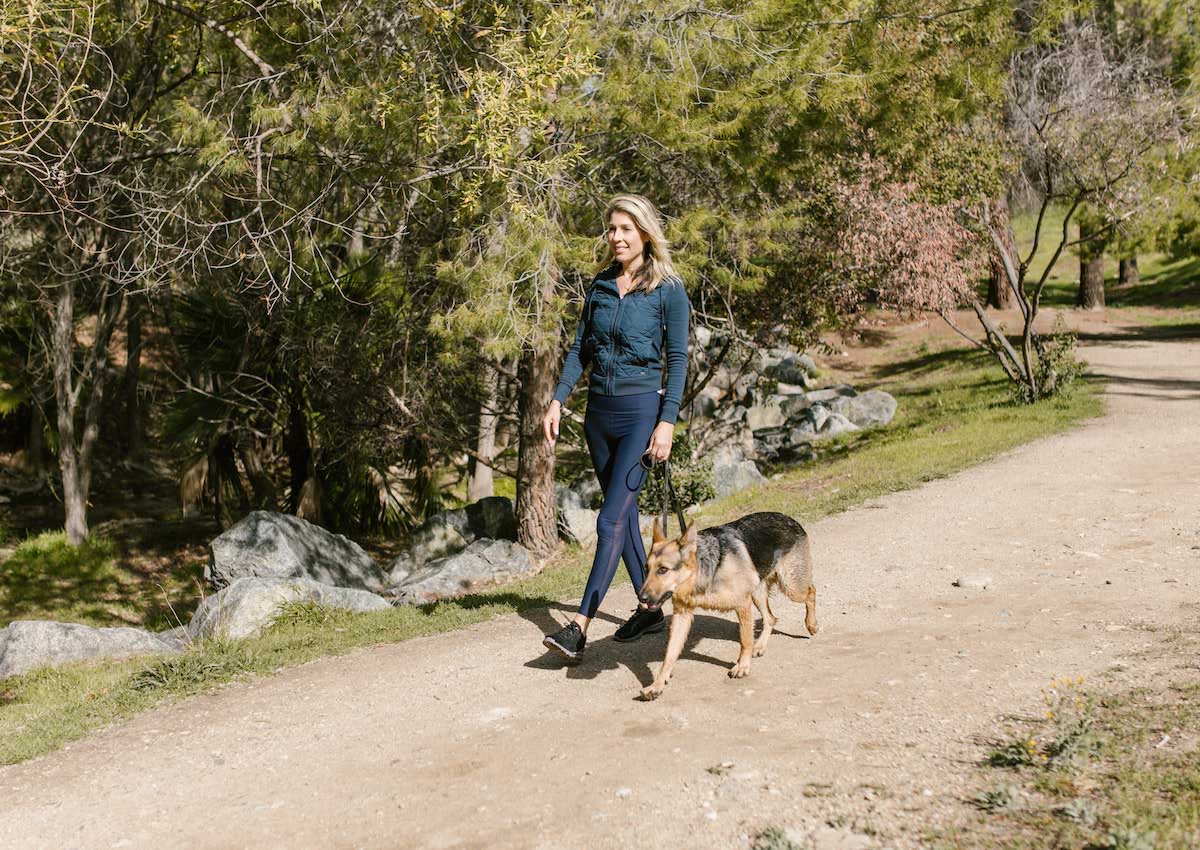

Increasing exercise does not have to mean exhausting hikes right away. Gradually add five minutes to each daily walk until you build up noticeable extra movement. Those additional steps boost calorie burn, improve muscle tone, and provide mental stimulation through new scents and sights. Consistency is key, so keep the pace brisk and aim for multiple walks a day if possible, turning regular outings into a structured routine that supports gradual weight loss.
Feed with puzzle toys


Using puzzle feeders or treat-dispensing balls turns mealtime into a brain workout. Instead of inhaling food in minutes, your dog must push, roll, or paw at the toy to release each bite. This slows eating, burns energy, and satisfies their natural problem-solving instincts. The extra effort keeps them occupied and less focused on constant begging, making weight management easier and mealtime more rewarding without increasing portion sizes.
Offer water before meals


A drink of cool water before eating can help fill the stomach slightly and curb an overzealous appetite. Hydration supports digestion and makes the stomach feel fuller, which helps reduce the chance of overeating. For dogs that are reluctant to drink, flavoring water lightly with a splash of low-sodium broth can encourage them to sip more. Creating a routine of pre-meal hydration provides a subtle but steady assist in managing calorie intake.
Mix in low-calorie veggies


Steamed vegetables such as zucchini, green beans, or pumpkin add fiber and volume without adding many calories. This extra bulk helps your dog feel satisfied while still keeping total calorie intake low. The added fiber also aids digestion and can help regulate blood sugar levels. Introduce new vegetables slowly and in small amounts to ensure they agree with your dog’s system and to give their palate time to adjust to the new flavors.
Split meals into smaller servings


Feeding the same total daily amount in three or four smaller meals can make a big difference in appetite control. Smaller, spaced-out servings help keep blood sugar steady and prevent the intense hunger that sometimes leads to begging or overeating. This approach also provides multiple positive interactions throughout the day, which can be especially helpful for dogs that equate meals with attention or comfort. Over time, regular smaller meals help create a calmer, steadier eating routine that supports lasting weight management.
10 Signs Your Dog’s Food Isn’t Right for Them


Feeding your dog should be as simple as filling their bowl and watching them chow down happily. But sometimes, the food we choose doesn’t quite agree with our furry friends. If your dog is dealing with tummy troubles, itchy skin, or other odd symptoms, their diet might be to blame. Here are a few signs that your dog’s food isn’t right for them and what you can do about it.
Read it Here: 10 Signs Your Dog’s Food Isn’t Right for Them
10 Reasons Why Your Dog Is Constantly Begging For Food


If your dog’s turned into a full-time beggar, it’s probably driving you nuts. Those big, pleading eyes can be hard to resist, but constant begging isn’t just about wanting a snack—it’s often a sign of something else going on. Whether they’ve learned that persistence pays off or they’re just bored out of their minds, there are plenty of reasons why your pup might be driving you crazy at mealtime.
Read it Here: 10 Reasons Why Your Dog Is Constantly Begging For Food