


Dogs are pretty amazing when it comes to communicating without barking. Their body language, facial expressions and quirky habits all tell a story if you know what to look for. Understanding these silent signals can make life with them even more fun and connected.


Tail Wagging


Dogs use their tails to express a range of emotions. A high, fast wag usually means excitement or happiness, while a slow, low wag can indicate caution or insecurity. A tail held high and stiff might signal alertness or aggression, while a tucked tail often shows fear or submission. You can get a good sense of their emotional state just by watching their tail.
Ear Position


The position of a dog’s ears can reveal a lot about their feelings. Ears perked up and facing forward generally mean the dog is alert or interested in something. Ears pulled back against the head can indicate fear, submission, or discomfort. Floppy-eared breeds might be harder to read, but subtle movements can still give clues about their mood.
Eye Contact
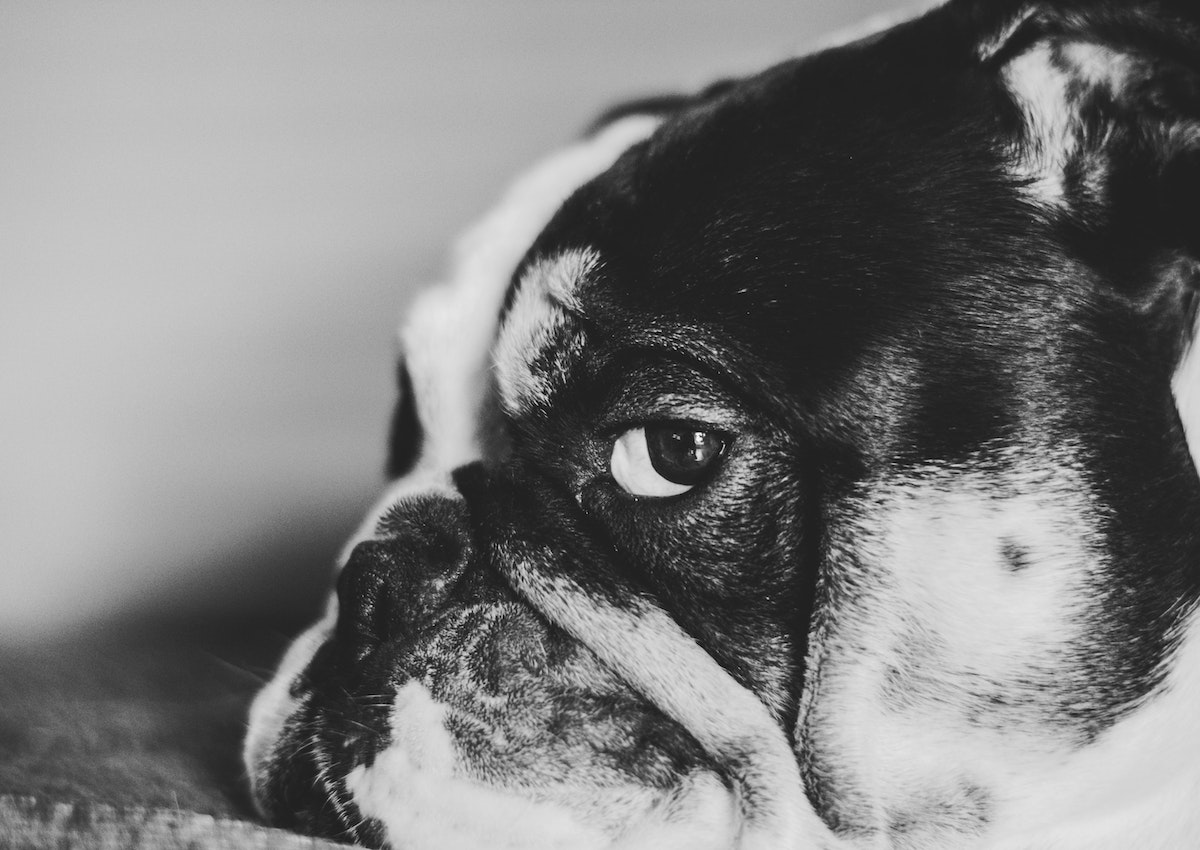

Dogs communicate a lot through their eyes. Direct eye contact with a relaxed expression can be a sign of affection and trust. However, intense staring might be a challenge or a sign of dominance. Avoiding eye contact can indicate submission or anxiety. Soft, blinking eyes usually mean your dog feels safe and comfortable around you.
Licking


Licking is a versatile behavior in dogs. When they lick your face or hands, they’re often showing affection, similar to how puppies lick their mothers. It can also be a submissive gesture, acknowledging you as the pack leader. Excessive licking might indicate anxiety or a medical issue, so it’s worth monitoring.
Body Posture


A dog’s body posture can convey various messages. A relaxed, loose body with wagging tail indicates a happy, comfortable dog. Conversely, stiff legs, a rigid stance, and a forward-leaning body can signal aggression or anxiety. A hunched posture with a tucked tail suggests fear or submission.
Play Bow

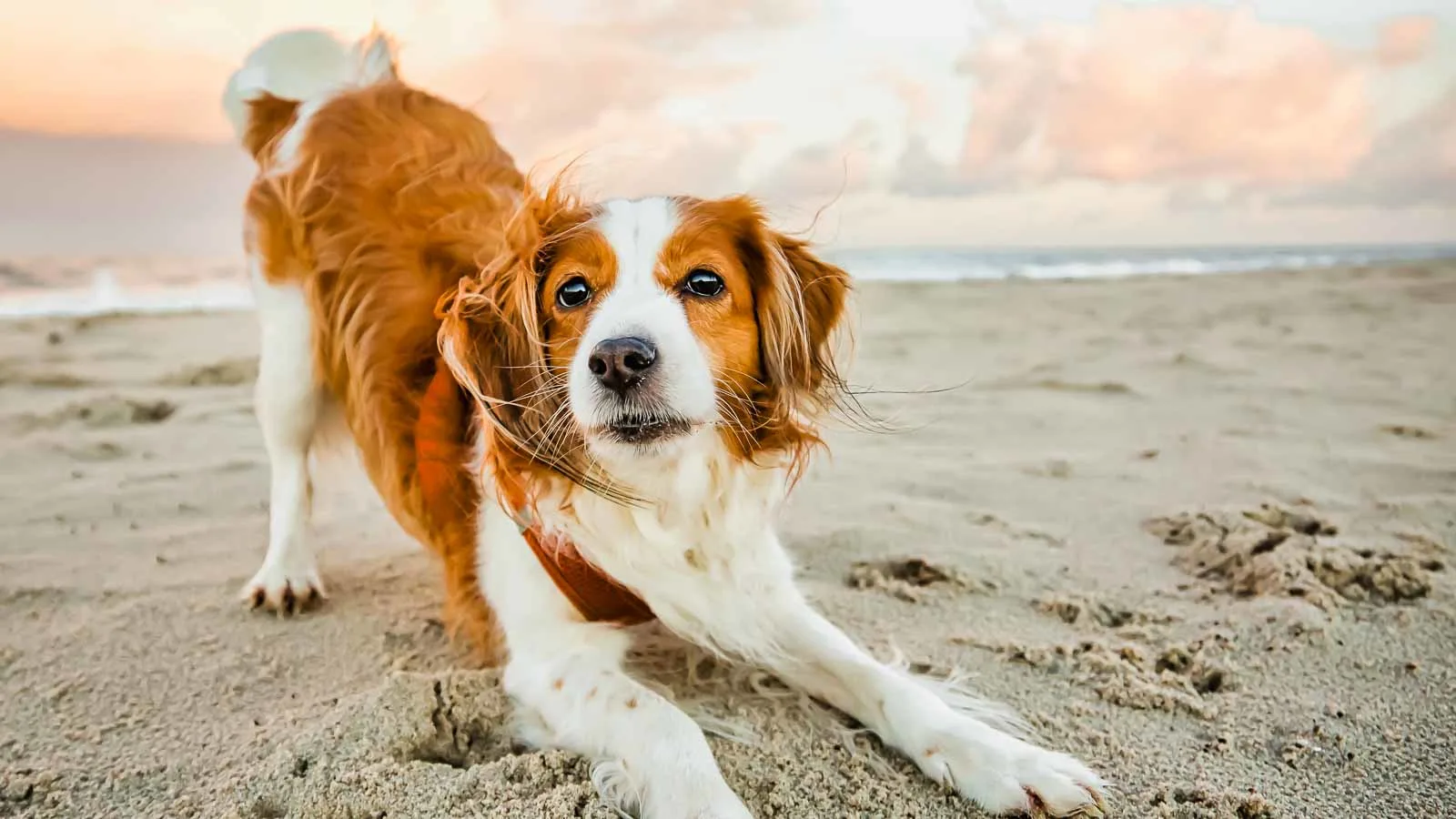
The play bow, where a dog lowers its front legs and keeps its rear end up, is a clear invitation to play. This posture indicates that the dog is in a friendly and playful mood. It’s a way for dogs to initiate play with other dogs or humans, showing that their intentions are playful and not aggressive.
Pawing


When a dog paws at you, it’s often seeking attention or interaction. This behavior can mean they want to be pet, need something, or simply want you to notice them. It’s a gentle way for dogs to communicate their needs or desires, and it’s often accompanied by a hopeful or expectant expression.
Yawning


Dogs yawn for various reasons beyond being tired. Yawning can be a sign of stress or anxiety, as it helps to calm them down. It can also be a form of communication, indicating that they are feeling uneasy in a situation. Additionally, yawning is contagious for dogs, just like it is for humans, and they might yawn in response to seeing someone else yawn.
Rolling Over


When a dog rolls over and shows its belly, it’s displaying trust and submission. This position makes them vulnerable, so it’s a clear sign that they feel safe around you. It’s also an invitation for belly rubs, which most dogs enjoy. However, if they roll over and look away, it could be a submissive gesture indicating that they don’t want any conflict.
Sniffing


Dogs use their incredible sense of smell to gather information about their environment. When they sniff around, they’re learning about other animals, people and objects. This behavior is their way of exploring and understanding the world. Sniffing can also be a calming activity for dogs, helping them feel more secure and relaxed.
10 Popular Dog Myths That Just Aren’t True


When it comes to man’s best friend, there’s no shortage of old wives’ tales and passed-down wisdom. But have you ever stopped to wonder which of these nuggets are true? We’re tackling some of the most popular dog myths and clearing up the misconceptions.
Read it Here: 10 Popular Dog Myths That Just Aren’t True
10 Tips For Managing Your Dog’s Separation Anxiety


If your dog gets anxious when you leave, you’re not alone. Many pet owners face the challenge of managing their dog’s separation anxiety. It can be tough seeing your best friend distressed, but there are effective ways to help them cope. Let’s walk through some practical tips to ease your dog’s anxiety and make your departures less stressful for both of you.
Read it Here: 10 Tips For Managing Your Dog’s Separation Anxiety
*Select images provided by Depositphotos.