
Owning a dog comes with a lot of costs, and most of them, like quality food, preventive vet care and proper training are worthwhile investments that pay off in health and stability. But there’s also a long list of products and services marketed as essential that don’t move the needle much for your dog. It’s easy to overspend because you want the best for them. The truth is, dogs care far more about consistency, comfort and attention than luxury upgrades.


Gourmet branded treats


Fancy packaging and buzzwords like human grade or artisanal can push treat prices higher than necessary. In reality, most dogs are just as excited about simple, affordable options. Plain cooked chicken, carrots, green beans or small pieces of apple work well for training and rewards. If you bake at home, you also control ingredients and avoid fillers or unnecessary additives. Save the premium price tags for rare occasions instead of making them your everyday go to.
Frequent full service grooming


Unless your dog has a coat that truly requires professional maintenance, you don’t need to book a full grooming appointment every few weeks. Basic upkeep like brushing, bathing and nail trimming can be handled at home with the right tools and a little practice. Investing once in clippers, a quality brush and dog safe shampoo can offset repeated salon visits. Professional grooming still has its place for high maintenance breeds, but many owners default to it more often than necessary.
Designer collars and leashes
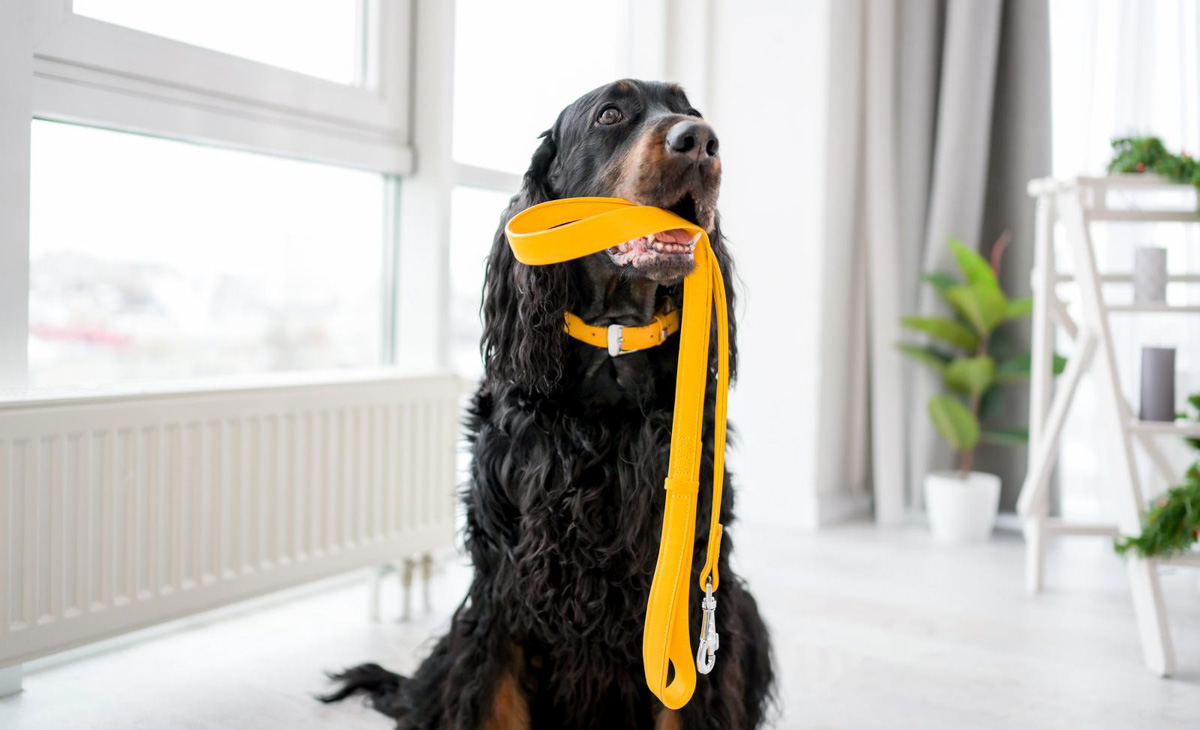

A collar’s job is to hold identification and attach to a leash. Beyond that, it doesn’t need branding or fashion appeal to function well. Durable materials, proper fit and safety features like reflective stitching matter more than logos or color trends. Dogs don’t assign status to their accessories. Choosing practical gear over aesthetic upgrades keeps money in your pocket without affecting your dog’s daily life.
Excessive toy purchases


It’s easy to accumulate a basket full of toys that barely get used. Many dogs rotate through favorites and ignore the rest. Instead of constantly buying new ones, focus on a small selection of durable, high quality toys and rotate them to keep interest high. Simple enrichment like frozen food in a rubber toy or homemade tug ropes can be just as engaging as store bought novelties. More toys don’t automatically mean more stimulation.
Premium dog beds without a medical need


Orthopedic or luxury beds are helpful for senior dogs or those with joint issues. For young healthy dogs, though, a supportive foam pad or layered blankets often work just as well. Many dogs end up choosing the couch or a cool patch of floor regardless of how much the bed cost. Prioritize washable covers and durability rather than brand prestige.
High end dog clothing


Unless your dog genuinely needs protection from extreme cold or rain, elaborate outfits are mostly cosmetic. A well fitting, functional coat for winter climates makes sense. Seasonal costumes and boutique apparel do not impact your dog’s comfort in the long term. If clothing serves a practical purpose, buy for function and fit rather than fashion.
Supplements without veterinary guidance


The supplement aisle is full of promises. Joint blends, calming chews and immune boosters are heavily marketed, but not all are necessary. If your dog eats a balanced diet and has no diagnosed deficiency, adding random supplements may offer little benefit. Some can even interact with medications. Before adding anything new, ask your veterinarian whether it’s needed.
Overpriced pet insurance plans


Insurance can be a smart tool, but not every policy justifies the premium. Some plans have low annual caps, high deductibles or broad exclusions that limit real coverage. Comparing reimbursement models and reading exclusions carefully matters more than signing up quickly. In some cases, setting aside emergency savings may be more practical for a young, healthy dog.
Daily doggy daycare


Daycare can be helpful for social dogs with high energy or separation anxiety. For many dogs, though, daily attendance isn’t essential. It can become a large recurring expense. Structured walks, training sessions and enrichment at home often provide enough stimulation. Occasional daycare for particularly busy weeks may be a more balanced approach than routine daily use.
Decorative feeding accessories


Bowls with custom engraving or designer finishes don’t improve your dog’s nutrition. Stainless steel or ceramic bowls are durable, easy to clean and inexpensive. If you want to invest in feeding equipment, prioritize slow feeders for fast eaters or raised stands for large breeds that benefit from improved posture. Function should guide spending, not appearance.
12 Things Every Dog Owner Should Know Before Signing Up For Pet Insurance


Pet insurance might sound like a no-brainer, but before you rush to sign up, there are a few things you should know. It’s not as simple as paying a monthly fee and having every vet bill magically disappear. Policies come with fine print, exclusions, and all kinds of “gotcha” clauses that can leave you footing the bill anyway. Understanding what you’re actually buying can save you a lot of frustration—and money—down the road.
Read it Here: 12 Things Every Dog Owner Should Know Before Signing Up For Pet Insurance
Top 10 Most Expensive Dog Breeds To Own


Owning a dog can be a wonderful experience, but some breeds come with a significantly higher price tag than others. Whether it’s due to their rarity, grooming needs, or health care requirements, these dogs are considered luxury pets. These are the most expensive dog breeds to own and what makes each of them uniquely costly.
Read it Here: Top 10 Most Expensive Dog Breeds To Own