
Search and rescue dogs are trusted partners in some of the most intense and high-stakes situations people face. These breeds were selected over time for their ability to work under pressure, follow complex scent trails, and stay focused in environments that would overwhelm most animals. Whether they’re navigating collapsed buildings, dense forests, or icy water, their reliability matters as much as their physical ability. Training plays a major role, but certain breeds consistently stand out for this kind of work because their instincts, stamina, and temperament align with the demands of rescue operations.


Saint Bernard


Saint Bernards earned their reputation long before modern search teams existed. Bred by monks in the Swiss Alps, they were developed to locate travelers buried by snow and guide them to safety. Their strength allows them to move through deep drifts, while their calm nature keeps them steady in harsh conditions. Even today, they symbolize alpine rescue work and the kind of dependability needed in extreme environments.
Newfoundland


Newfoundlands have been saving people from water for centuries, especially in cold and rough conditions. Their massive size, webbed feet, and natural swimming ability make them powerful and controlled in the water. They’re known for instinctively towing people to shore and remaining composed during emergencies. That combination of strength and gentleness makes them especially trusted for water rescue work.
Labrador Retriever


Labradors are one of the most widely used breeds in modern search and rescue teams. They’re highly trainable, physically capable, and motivated to work closely with humans. Labs excel in both land and water searches, adapting easily to floods, wilderness terrain, and disaster zones. Their focus and consistency make them a dependable choice across many rescue disciplines.
German Shepherd


German Shepherds are valued for their intelligence and ability to stay task-oriented in chaotic environments. They’re often deployed in urban search and rescue after natural disasters, where rubble, noise, and unfamiliar terrain demand mental resilience. Their strong scenting ability and responsiveness to handlers allow them to work efficiently even under intense pressure. This reliability has made them a staple in emergency response teams worldwide.
Border Collie


Border Collies bring speed, problem-solving skills, and endurance to search operations. They’re especially effective in large wilderness areas where covering ground quickly matters. Their sharp awareness helps them adjust to changing terrain and weather conditions without losing focus. When long searches demand stamina and mental clarity, Border Collies consistently perform.
Golden Retriever


Golden Retrievers combine physical capability with a steady, composed temperament. They’re often used in disaster recovery and missing-person searches because they stay focused without becoming reactive. Their cooperative nature makes them easy to train and reliable in team settings. Goldens are especially valued when rescue work involves long hours and close interaction with both handlers and survivors.
Alaskan Malamute


Alaskan Malamutes were bred for endurance in extreme cold, and that heritage still shows. Their strength and thick coats allow them to work in harsh winter conditions where other breeds struggle. They’re capable of pulling equipment, navigating snowbound terrain, and maintaining energy over long distances. In cold-weather rescues, their resilience makes a real difference.
Belgian Malinois


Belgian Malinois are known for their precision, drive, and intense focus. They’re often chosen for complex rescue missions that require agility and quick decision-making. Their ability to move confidently through unstable environments makes them well suited for collapsed structures and dense terrain. Handlers value their responsiveness and work ethic in high-risk situations.
Dachshund


Dachshunds may seem like an unlikely rescue dog, but their size and determination give them a unique role. Bred to work underground, they’re capable of navigating tight spaces that larger dogs can’t access. In specific scenarios, such as locating survivors trapped in confined areas, their persistence and scenting ability become valuable assets.
Flat-Coated Retriever


Flat-Coated Retrievers are strong swimmers with a natural enthusiasm for work. They’re often used in water-based rescues and recovery efforts, where endurance and cooperation matter. Their balanced temperament helps them remain steady during demanding tasks. Teams rely on them for consistent performance rather than flash or intensity.
11 Unusual Jobs Dogs Can Perform Better Than Humans
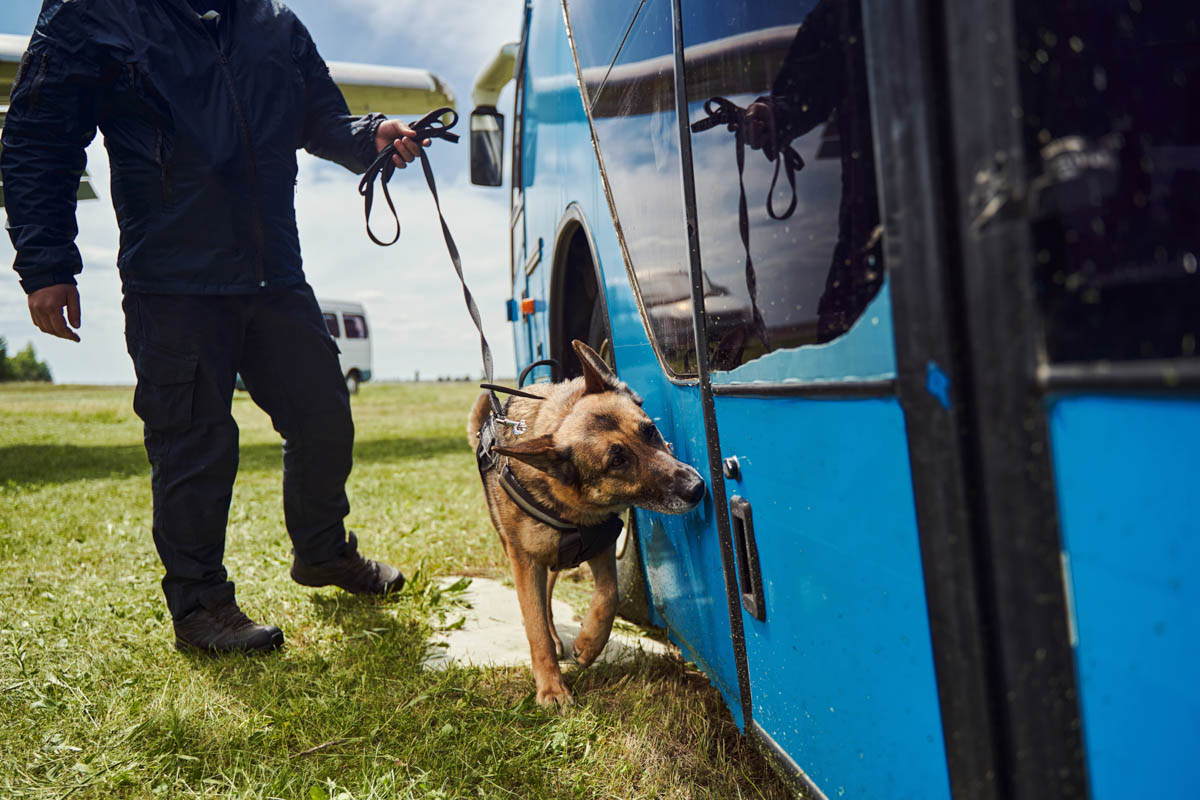

We all know dogs are awesome, but some of them have jobs that are seriously impressive. Whether it’s finding hidden drugs or sniffing out truffles, these pups have skills that far exceed the capabilities of humans. Watching them do the jobs they’re trained for is beyond impressive and takes the meaning of “man’s best friend” to a whole new level.
Read it Here: 11 Unusual Jobs Dogs Can Perform Better Than Humans
9 Dog Breeds That Were Bred For Completely Unexpected Jobs


Not all dogs were bred just to be loyal companions or fetch tennis balls. Some of them have pretty wild backstories you wouldn’t expect. From tiny lap dogs with tough-as-nails attitudes to fluffy pups who used to have serious day jobs, these breeds weren’t always just about looking cute.
Read it Here: 9 Dog Breeds That Were Bred For Completely Unexpected Jobs
*Select images provided by Depositphotos.