


Golden Retrievers are the ultimate family dogs—friendly, smart, and always ready to please. Their intelligence and gentle nature make them fantastic companions, but training them effectively can bring out the best in these lovable dogs. If you’re looking to get the most out of your training sessions and bring out the best in your Golden, here are some key tips to make it successful and enjoyable for you both.


Start Early


The earlier you start training your Golden Retriever, the better. Puppies are highly receptive to learning, making it easier to instill good behaviors and not have to fight to unlearn bad ones. Begin with basic commands like sit, stay, and come, and gradually introduce more complex tasks. Early socialization with different people, environments, and other animals is crucial to prevent fear and anxiety as they grow.
Positive Reinforcement


Dogs are like people, certain ones do better with certain training approaches. Golden Retrievers thrive on positive reinforcement. Use treats, praise, and play to reward good behavior, encouraging them to repeat these actions. This method builds trust and makes training enjoyable for both you and your dog. Avoid punishment, as it can lead to fear and diminish the bond between you and your pet.
Consistency is Key


Consistency helps your dog understand what’s expected of them. Use the same commands and routines, and ensure everyone in the household follows the same training principles. Inconsistent training can confuse your dog and slow down their learning process. Consistency in rewards and rules creates a clear structure that your Golden can easily follow.
Socialization


Socializing your Golden Retriever from a young age is vital. Introduce them to a variety of people, other dogs, and different environments. This exposure helps prevent behavioral issues like fear and aggression. Regular trips to dog parks, busy streets, and other social settings can help your dog become well-adjusted and confident in various situations.
Exercise and Mental Stimulation


Golden Retrievers are active and intelligent dogs that need plenty of physical exercise and mental stimulation. Engage them in activities like fetch, swimming, agility training, and puzzle toys. Regular exercise prevents boredom, which can lead to destructive behaviors, and keeps your dog healthy and happy.
Crate Training


Crate training provides your dog with a safe and comfortable space they can retreat to. Make the crate inviting with soft bedding and toys. Use positive reinforcement to encourage your dog to use the crate, and never use it as a punishment. Crate training can also aid in housebreaking and reducing anxiety when you’re not home.
Leash Training
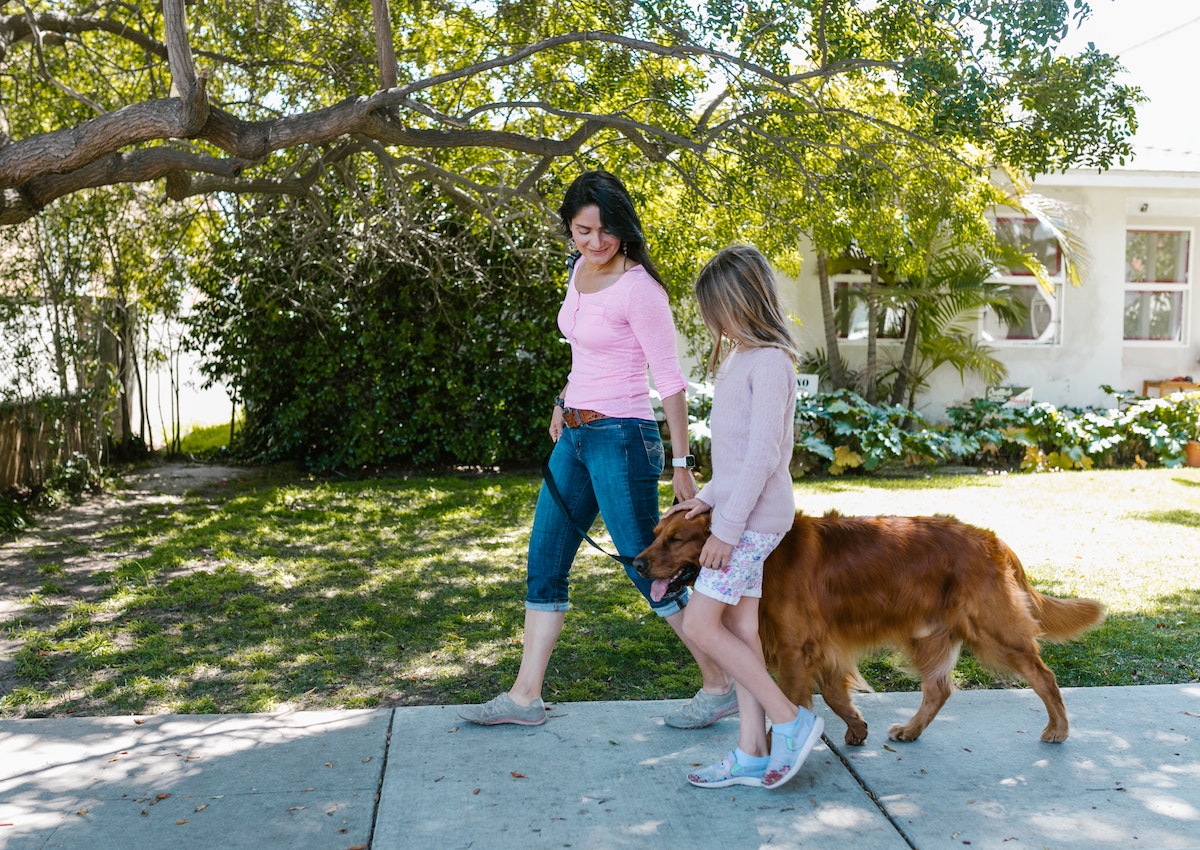
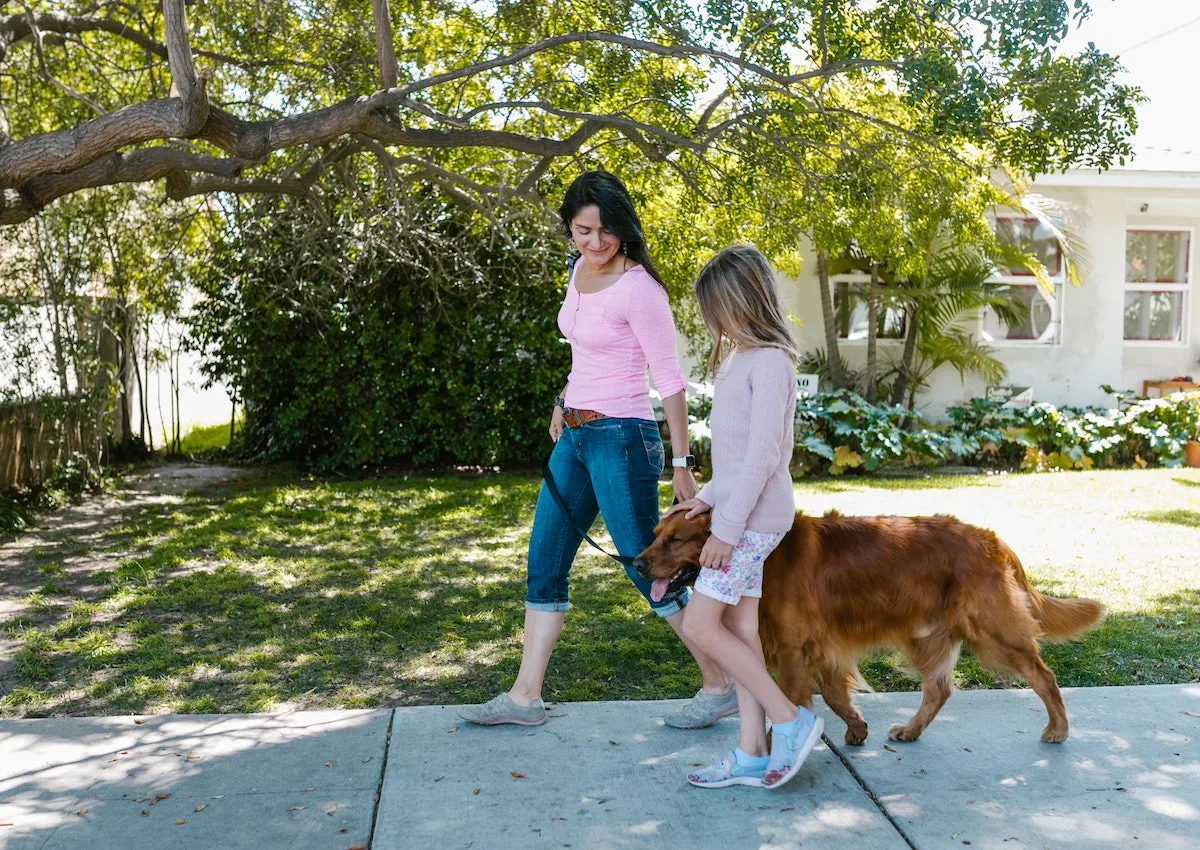
Teaching your Golden Retriever to walk nicely on a leash is essential. Start with short sessions and use treats and praise to reward good behavior. Consistent leash training prevents pulling and helps your dog understand that walking calmly by your side is rewarding. This makes walks more enjoyable and safe for both of you.
Basic Commands


Teaching basic commands like sit, stay, come, and down forms the foundation of good behavior. These commands are essential for safety and can help manage your dog in various situations. Keep training sessions short, fun, and consistent to maintain your dog’s interest and ensure better retention of commands.
Advanced Training


Once your Golden has mastered the basics, challenge them with advanced training. This could include tricks, agility, or therapy dog training. Advanced training keeps their minds sharp, provides mental stimulation, and strengthens the bond between you and your dog. It also gives them a sense of purpose and accomplishment.
Patience and Love
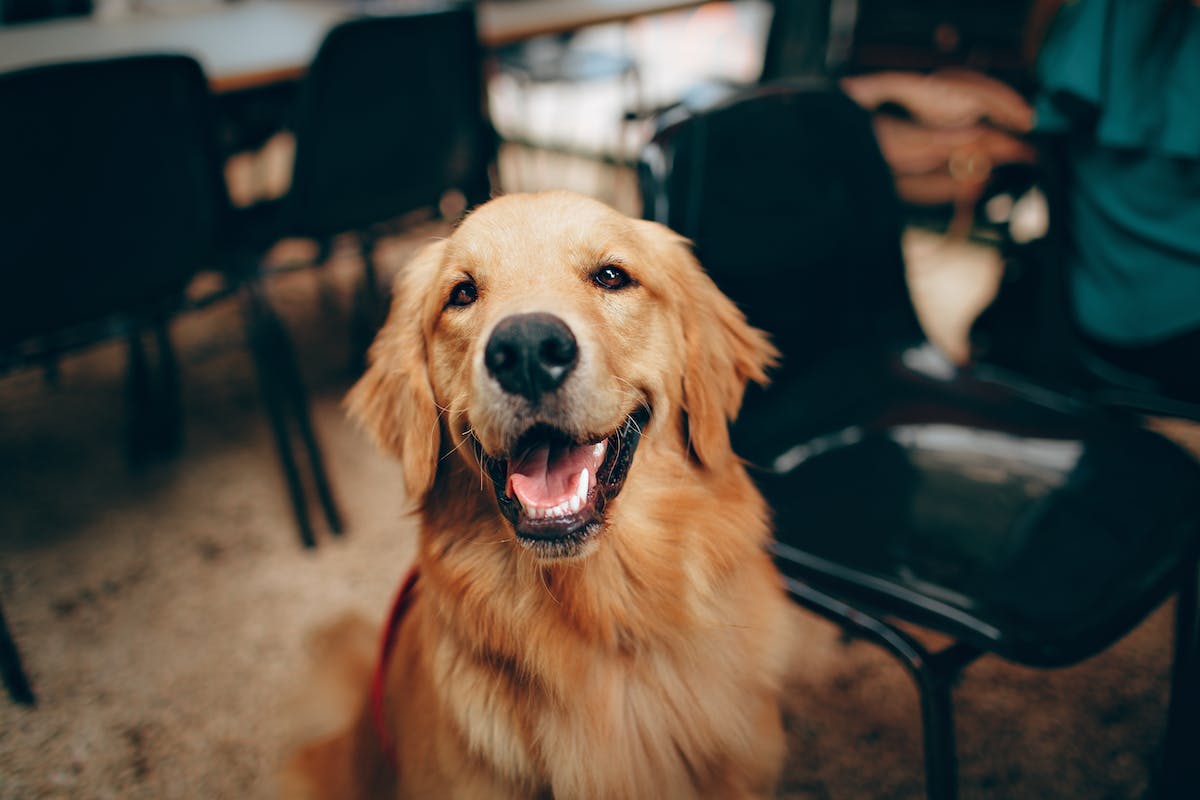
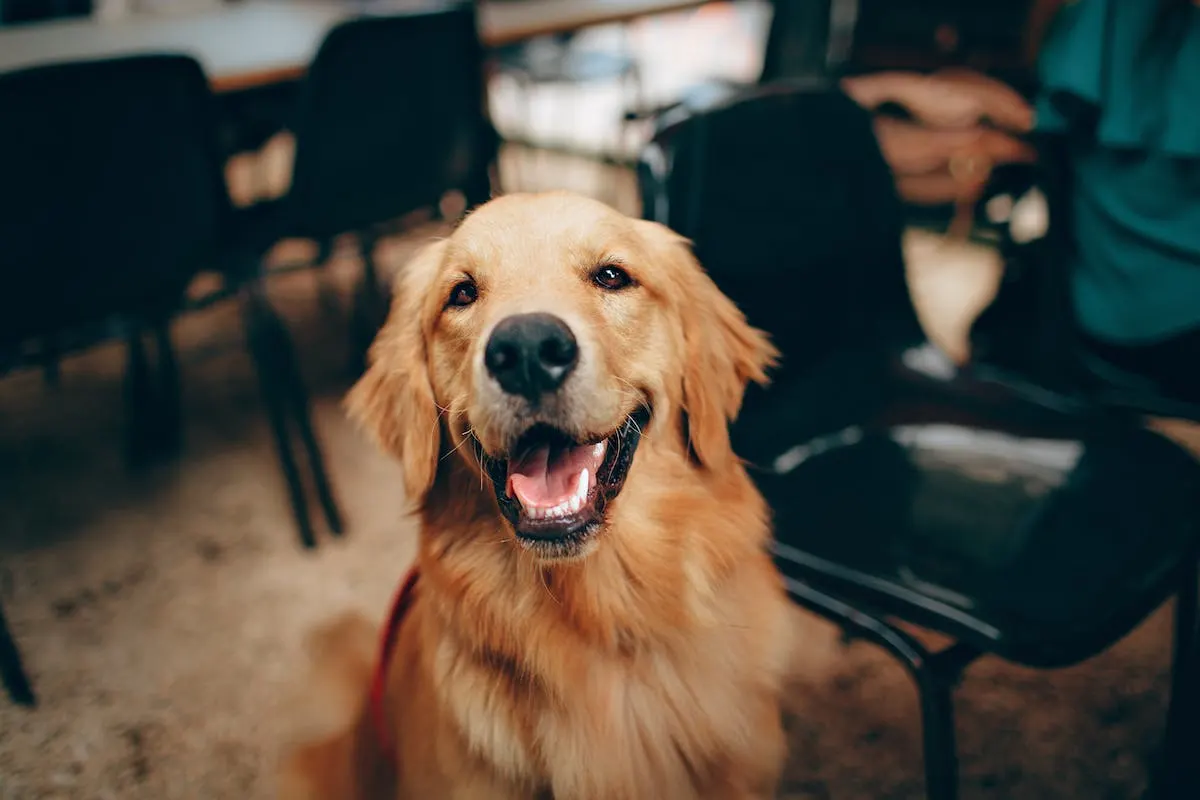
Training a Golden Retriever requires patience and love. These dogs are eager to please but can sometimes be goofy and distracted. Stay patient, keep training sessions positive, and always end on a high note. Remember to enjoy the process and celebrate small victories. Your positive attitude and affection will make training a rewarding experience for both of you.
HOW TO TRAIN A DOG TO WALK ON A LEASH

Training your dog to walk on a leash is essential for day to day life as a dog owner. We’ve all seen people walking down the street being pulled around by their dog. The dog taking the owner for a walk versus the other way around.
Read it Here: How To Train A Dog To Walk On A Leash
How To Clicker Train A Dog Using Positive Reinforcement


Clicker training is a popular and effective method for teaching young and old dogs new behaviors and commands using positive reinforcement. By using a clicker — a small handheld device that makes a distinct clicking sound — you can communicate with your dog and reward desired behaviors precisely.
Read it Here: How To Clicker Train A Dog With Positive Reinforcement
*Select images provided by Depositphotos.