


Want a fun weekend project? Teaching your dog a new trick is easier than you think, and it doesn’t take weeks of training to get results. With short, playful sessions, the right rewards, and a little patience, your pup can pick up something new before the workweek starts. The process shouldn’t be about perfection, but rather progress, and keeping it light so it’s an enjoyable experience for both of you. By Monday, you’ll not only have a dog with a new skill but also a weekend well spent together.


Tip 1: Pick the Right Trick


Choose something your dog can realistically learn in a short time, like a paw shake, spin, or simple bow. The trick should be fun and easy to grasp so your dog stays motivated. Keeping expectations reasonable sets both of you up for a win by the end of the weekend.
Tip 2: Gather Your Supplies


Before you start, make sure you have treats your dog truly loves, a clicker if you use one, and plenty of patience. High-value rewards like small bits of chicken or cheese will keep your dog focused. Having everything ready helps each session flow smoothly.
Tip 3: Start Small


Break the trick down into little steps instead of trying to get it all at once. If you’re teaching “shake,” reward the smallest paw lift before expecting a full handshake. This way your dog feels successful early and stays excited to keep learning
Tip 4: Use Positive Reinforcement


Reward every attempt that gets closer to the trick with a treat, toy, or praise. When your dog connects the right action with something they enjoy, they’ll repeat it more often. Encouragement keeps the energy upbeat and your dog eager to participate.
Tip 5: Keep Training Sessions Short


Stick to 10 or 15 minutes at a time and spread sessions throughout the weekend. Dogs learn better when training feels like play, not work. Short bursts keep them engaged and give you more chances to practice without either of you burning out.
Tip 6: Add a Verbal Command


Once your dog starts performing the motion, begin pairing it with a clear word. Say “shake” or “spin” right before the action so they learn to connect the command with what they’re doing. Timing matters, so stay consistent each time.
Tip 7: Practice in Different Spots


After your dog starts getting it, try practicing in a few new places. Switch from the living room to the backyard or even the park so they don’t only associate the trick with one environment. This helps them perform consistently anywhere you go.
Tip 8: Fade Out the Treats


When the trick becomes reliable, start rewarding with praise or occasional treats instead of every single time. Dogs love hearing they’ve done well, and this shift helps them respond even without food as the main incentive. Keep encouragement steady.
Tip 9: End on a High Note


Wrap up each training session with a success, even if it’s just a small step in the right direction. Give them a treat, celebrate the win, and stop while they’re still having fun. Ending positively keeps your dog eager for the next round of practice.
13 Dog Breeds That Are Stubborn As A Mule To Train
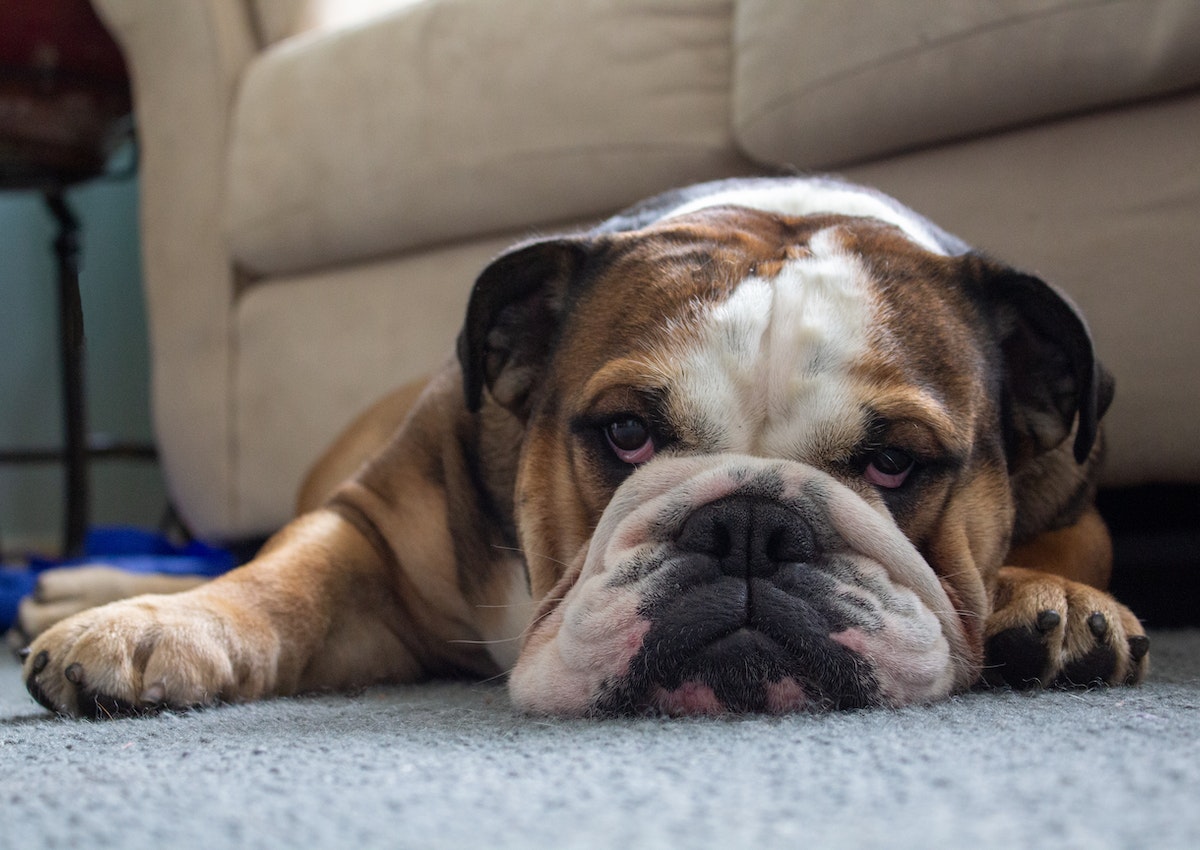

Training a dog can be a challenge, but some breeds are tougher than you might think. Even if they’re cute and lovable, these dogs can test your patience with their stubborn and independent streaks. If you’re considering one of these breeds, be prepared for a bit of a battle.
Read it Here: 13 Dog Breeds That Are Stubborn As A Mule To Train
15 Dogs That Practically Train Themselves

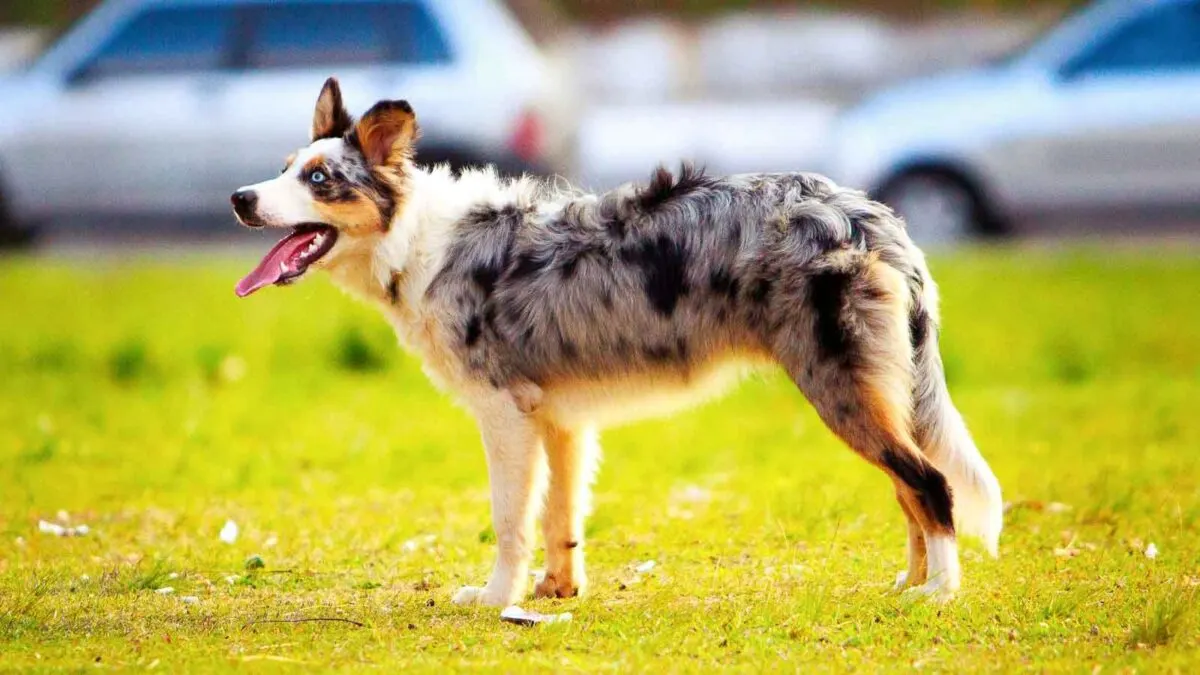
Training a dog can be a challenge, but some breeds make it a whole lot easier. These dogs are smart and eager to please, making them quick learners. Whether you’re a first-time dog owner or just want a pup that’s easy to work with, these breeds will make you feel like a training pro. They range from playful companions to diligent workers, but each is an absolute dream to train and a well-trained pup makes life so much easier.
Read it Here: 15 Dogs That Practically Train Themselves