


Trust isn’t automatic, it’s something you build over time. Dogs pay close attention to your actions, and the way you interact with them shapes how safe they feel around you. If they hesitate when you call them, avoid eye contact, or seem unsure in certain situations, they might not fully trust you yet. The good news is that trust isn’t complicated. Small, consistent actions make a huge difference in how secure and confident your dog feels with you. Here are a few ways you can speed up the process.


Stick to a Consistent Routine
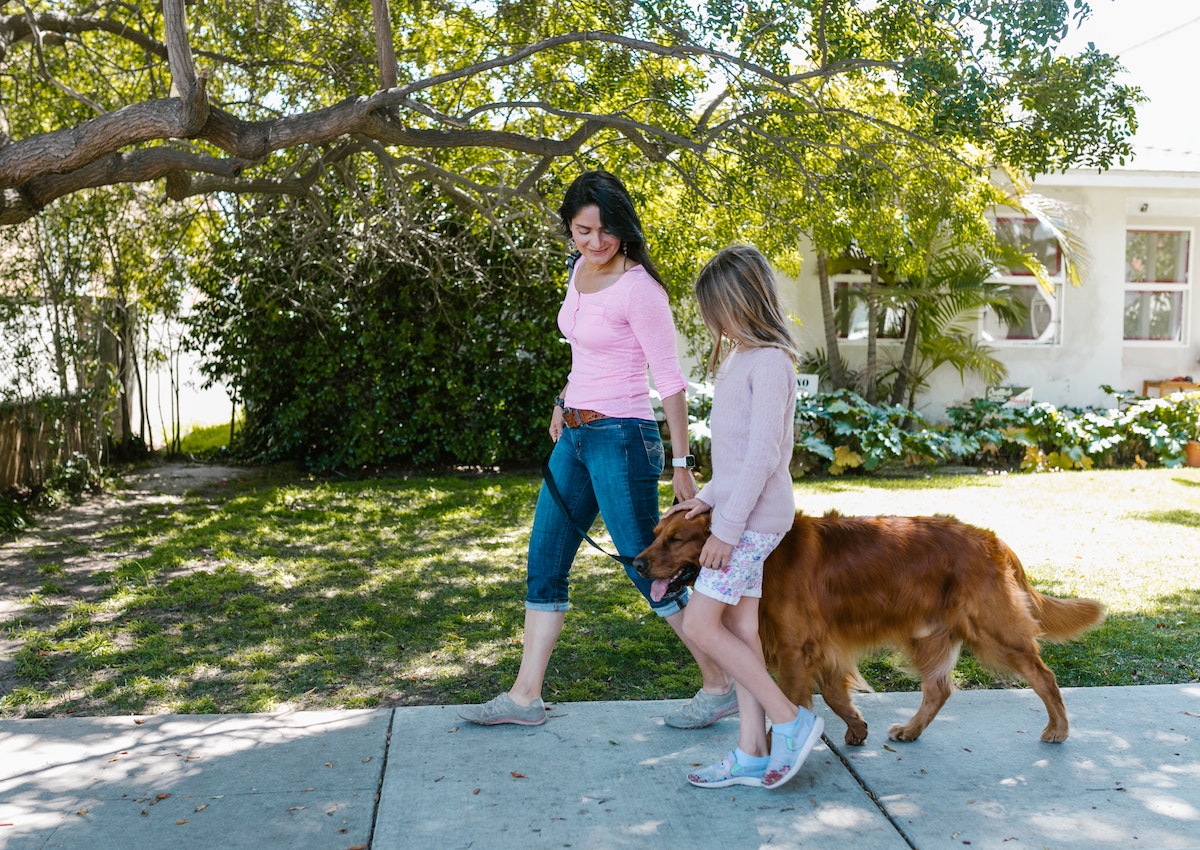
Dogs feel safest when their world is predictable. Feeding, walks, playtime, and bedtime should happen around the same time every day. Sudden changes can make them feel uneasy and unsure of what’s coming next. When they know what to expect from you, they learn that you’re reliable, which strengthens their trust.
Respect Their Personal Space


Not every dog wants to be hugged or handled constantly. Some need space, especially when resting or eating. Forcing affection or cornering them can create stress, making them hesitant around you. Allowing them to initiate interaction on their own terms shows that you respect their boundaries, reinforcing their trust in you.
Use a Calm, Steady Tone When Speaking


Dogs don’t understand full sentences, but they’re highly attuned to vocal tone and energy. A calm, reassuring voice lets them know they’re safe. Harsh, unpredictable, or loud tones can make them anxious, causing them to associate your presence with stress instead of security. Consistency in how you speak helps them feel at ease.
Let Them Make Choices


Trust grows when a dog feels like they have control over small things. Let them choose which direction to go on a walk, which toy to play with, or when they want to approach for affection. If everything is dictated for them, they may feel powerless. Giving them small choices makes them more confident in their environment and strengthens their trust in you.
Reward Good Behavior Without Overcorrecting


Trust erodes when a dog only associates you with corrections. Instead of focusing on what they’re doing wrong, reinforce what they do right. Praise, treats, and affection make them eager to listen and engage. If they do make mistakes, correct them gently without yelling or punishment, so they feel safe learning from you rather than fearing your reaction.
Make Training a Positive Experience


Training should be structured but enjoyable. If your dog only associates training with frustration or punishment, they’ll hesitate to engage. Keep sessions short, fun, and rewarding with treats or praise. If they struggle with a command, stay patient and adjust your approach instead of forcing them to get it right immediately. Trust is built when they know they won’t be punished for trying.
Recognize When They’re Uncomfortable


Dogs communicate discomfort through subtle signs like yawning, licking their lips, avoiding eye contact, or tensing their body. Ignoring these signals can make them feel unheard, leading to stress or reactivity. Paying attention and adjusting your approach—whether giving them space or redirecting a situation—proves that you understand and respect them, deepening their trust in you.
Give Them Time to Sniff on Walks


Walks aren’t just about exercise—dogs experience the world through their nose. Rushing them along or pulling them away from scents interrupts their natural way of gathering information. Letting them explore and sniff freely on walks reassures them that they’re safe and in control of their environment, reinforcing their confidence and trust in you as their guide.
Make Eye Contact Without Staring


Eye contact is a powerful way to bond, but too much direct staring can feel threatening. Soft, relaxed eye contact followed by slow blinks shows your dog you’re engaged but not intimidating. This helps them feel connected while reducing any tension. Returning their eye contact in a gentle way reassures them that you’re a safe presence.
Be Patient and Consistent


Dogs don’t instinctively know human rules, and learning them takes time. If you constantly change expectations or react unpredictably, they become confused and wary. Sticking to clear commands, reinforcing behaviors consistently, and remaining patient when they struggle teaches them that they can count on you. Trust isn’t built through perfection—it’s built through reliability.
15 Subtle Signs Your Dog Trusts You Completely


Trust is everything in a relationship, even with your dog. Unlike people, dogs don’t sugarcoat their feelings—they show you exactly where you stand in their world. Building trust takes time, consistency, and a little bit of effort, but the rewards are worth it. When a dog trusts you, it’s like being handed a VIP pass to their inner circle. They’ll give you clues through their actions, some subtle and some not so much, that let you know you’ve earned their confidence.
Read it Here: 15 Subtle Signs Your Dog Trusts You Completely
10 Common Things That Can Accidentally Break Your Dog’s Trust


Trust is everything when it comes to your dog, but it’s easier to break than you might think. One wrong move and suddenly your loyal companion is giving you the cold shoulder. It’s not always the obvious stuff, either—sometimes the smallest things can make your dog question what’s going on. If your pup seems a little hesitant, avoids eye contact, or doesn’t come running like they used to, something might be off. No one wants to accidentally mess up their bond with their dog, but it happens more than you’d think. Here’s what could be causing the problem and how to fix it.
Read it Here: 10 Common Things That Can Accidentally Break Your Dog’s Trust