


It’s easy to let love for your dog guide every decision, but affection alone doesn’t cover the responsibility that comes with ownership. When care slips into habit, small oversights can follow, and those add up faster than you think. Vets see the gap between good intentions and daily choices every day, and it often shapes how well a visit goes. Keeping that balance between love and responsibility is what truly keeps your dog healthy.


Bringing a dog that’s clearly overfed


When a dog waddles into the exam room carrying extra pounds, vets notice immediately. Extra weight strains joints, raises the risk of diabetes, and can shorten a dog’s life. Many owners think an extra treat here or there doesn’t matter, but it adds up quickly. Vets want to help your dog stay healthy, not just remind you to cut back, so taking their advice on portion sizes and exercise really makes a difference.
Trusting the internet


Typing symptoms into a search bar might feel helpful, but it often creates confusion and unnecessary worry. Vets spend years studying animal health and know how to read subtle signs you can’t catch online. Coming in with a long list of internet theories slows down the visit and can even delay proper treatment. Your vet would rather hear the facts than compete with a search engine.
Skipping or stopping prescribed meds


Prescriptions come with specific instructions for a reason. When doses are skipped or a treatment stops early because the dog “seems fine,” the problem can bounce back stronger or become harder to treat. Vets can tell when a plan hasn’t been followed, and it’s frustrating because it puts the dog’s health at risk. Consistency with medication is one of the easiest ways to help your dog recover fully.
Avoiding regular wellness visits
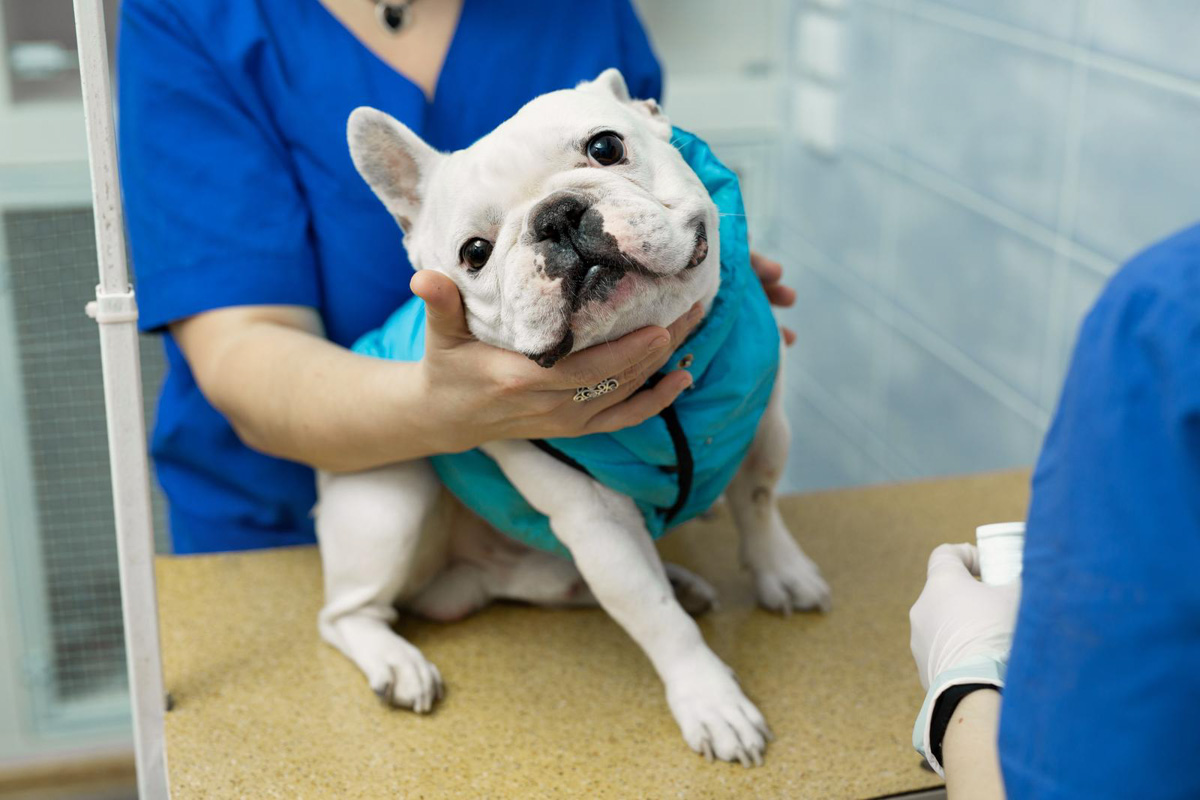
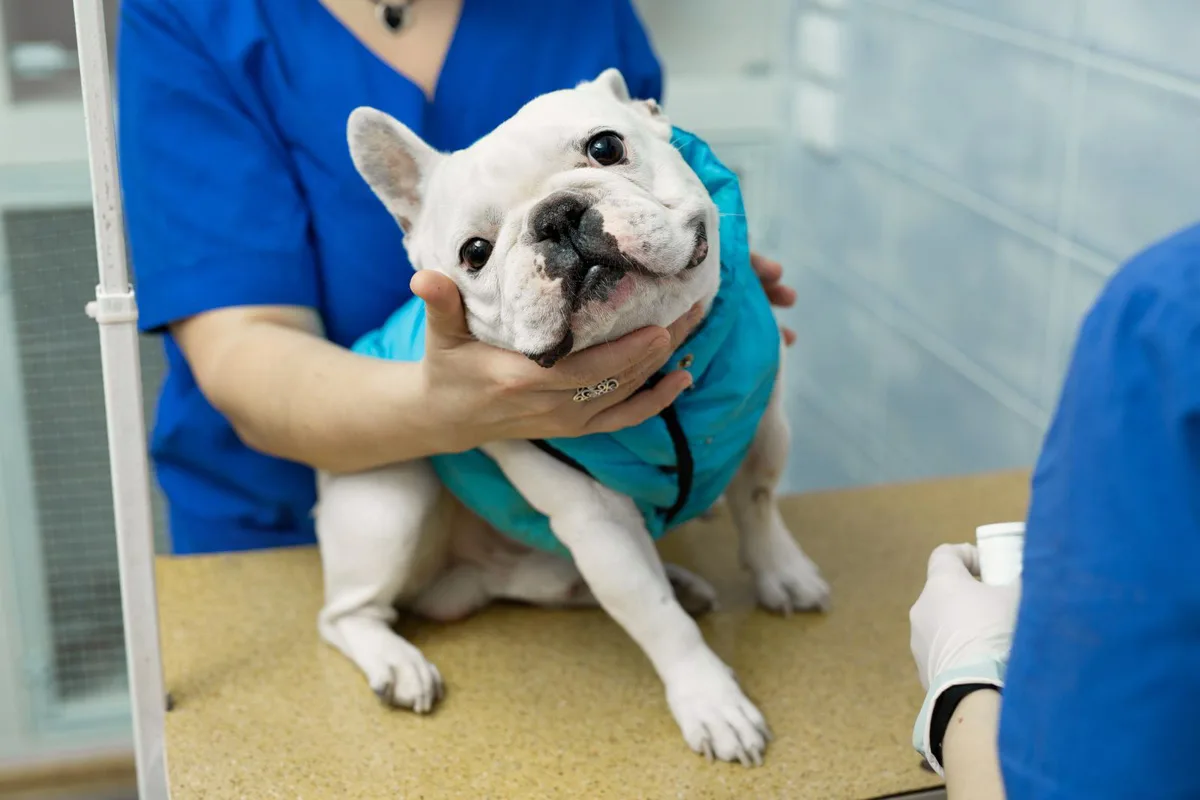
A dog that only sees the vet when something is clearly wrong misses out on important preventive care. Annual checkups catch issues like heart problems, dental disease, or early arthritis before they become serious. Vets know these visits save money and stress in the long run. Skipping them can shorten a dog’s life.
Letting dental care slide


Bad breath is more than an inconvenience. Dental disease can lead to infections that affect the heart, kidneys, and liver. Vets notice plaque buildup and gum problems long before an owner smells anything. Brushing at home, using dental chews, or scheduling professional cleanings keeps a dog’s mouth healthy and prevents painful procedures later.
Turning treat time into an all-day buffet


A few treats for training or rewards are fine, but handfuls throughout the day add hidden calories that quickly turn into weight gain. Vets see the connection between constant snacking and health problems like obesity and joint pain. They’d much rather praise your dog for balanced eating habits than remind you to cut back at every visit.
Skipping early socialization


Dogs that miss out on meeting new people, animals, and environments when they’re young often grow into anxious or aggressive adults. Vets can tell when a dog hasn’t been socialized well because exams become stressful for everyone. Introducing puppies to different settings and positive experiences builds confidence and makes future vet visits calmer and safer.
Waiting too long to get help


Many owners notice small changes like a limp, itching, or loss of appetite long before they call the clinic. By the time the dog sees a vet, the problem might be advanced and more complicated to treat. Early appointments mean easier treatments and less pain for the dog. Vets appreciate when owners trust their instincts and schedule visits early instead of hoping issues resolve on their own.
Skipping heartworm prevention


Heartworm is easy to prevent but hard and expensive to treat once a dog is infected. Monthly preventives keep dogs safe, yet some owners forget doses or skip them altogether. Vets see the results when dogs test positive and need lengthy treatments that could have been avoided. Consistent prevention is one of the simplest ways to protect a dog’s health.
Downplaying real symptoms


Telling a vet that a dog is “just a little off” or “probably fine” can lead to missed details that matter. Vets need an accurate picture of behavior changes, appetite shifts, or unusual habits to make the right call. When owners hold back or minimize what’s happening, it makes diagnosis harder and puts the dog at risk. Being open and detailed helps vets give the best care possible.
10 Essential First Aid Tips Every Dog Owner Should Know


As a dog owner, being prepared for emergencies is as crucial as daily walks and feeding. Whether it’s a minor injury or a more serious condition, knowing first aid can be a lifesaver for your furry friend. From learning how to perform CPR to assembling a first aid kit, these tips will equip you with the essential knowledge to handle common emergencies so you can act swiftly and keep your dog safe.
Read it Here: 10 Essential First Aid Tips Every Dog Owner Should Know
10 Ways To Improve Your Dog’s Dental Health


Keeping your dog’s teeth clean is super important, but it doesn’t have to be a chore. We know brushing your pup’s teeth might sound like a wrestling match waiting to happen, but it can actually be pretty simple—and even fun! With a few clever tricks and regular habits, you can keep your dog’s smile bright and their breath fresh enough for cuddles. Here are some easy and surprisingly enjoyable ways to improve your dog’s dental health.
Read it Here: 10 Ways To Improve Your Dog’s Dental Health
*Select images provided by Depositphotos.