

Police dogs get a lot of credit, and most of it is well deserved, but a lot of what people think they know is completely wrong. They’re not all angry German Shepherds that only respond to German commands and spend their off-hours pacing in cages. The reality is a lot more complex and honestly, way more interesting. These dogs are more than tools, and they’re definitely not machines. They have real relationships, specific jobs and sometimes very strong opinions about who gets to hold the leash.

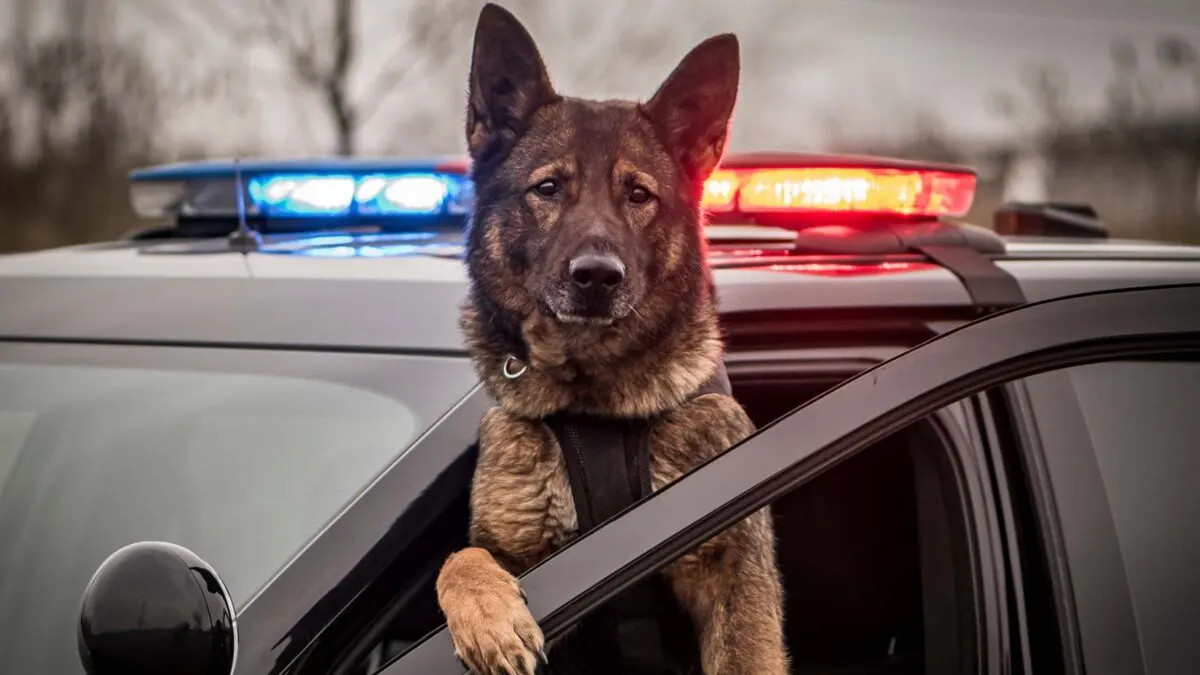
They’re all German Shepherds


German Shepherds are iconic, but they’re not the only ones wearing the badge. Belgian Malinois are actually more common in many departments today due to their speed, agility and sharp focus. Dutch Shepherds and even Labrador Retrievers are often chosen for specific roles like scent detection. Breed choice depends on the assignment, not tradition.
They’re always aggressive


Police dogs are trained to follow commands, not act out on impulse. When you see one looking intense on duty, it’s because they’ve been trained to switch on only when needed. Off duty, many of these dogs are relaxed, affectionate and calm. They don’t live in attack mode, they live in control mode, with serious discipline and trust.
They only work drug busts
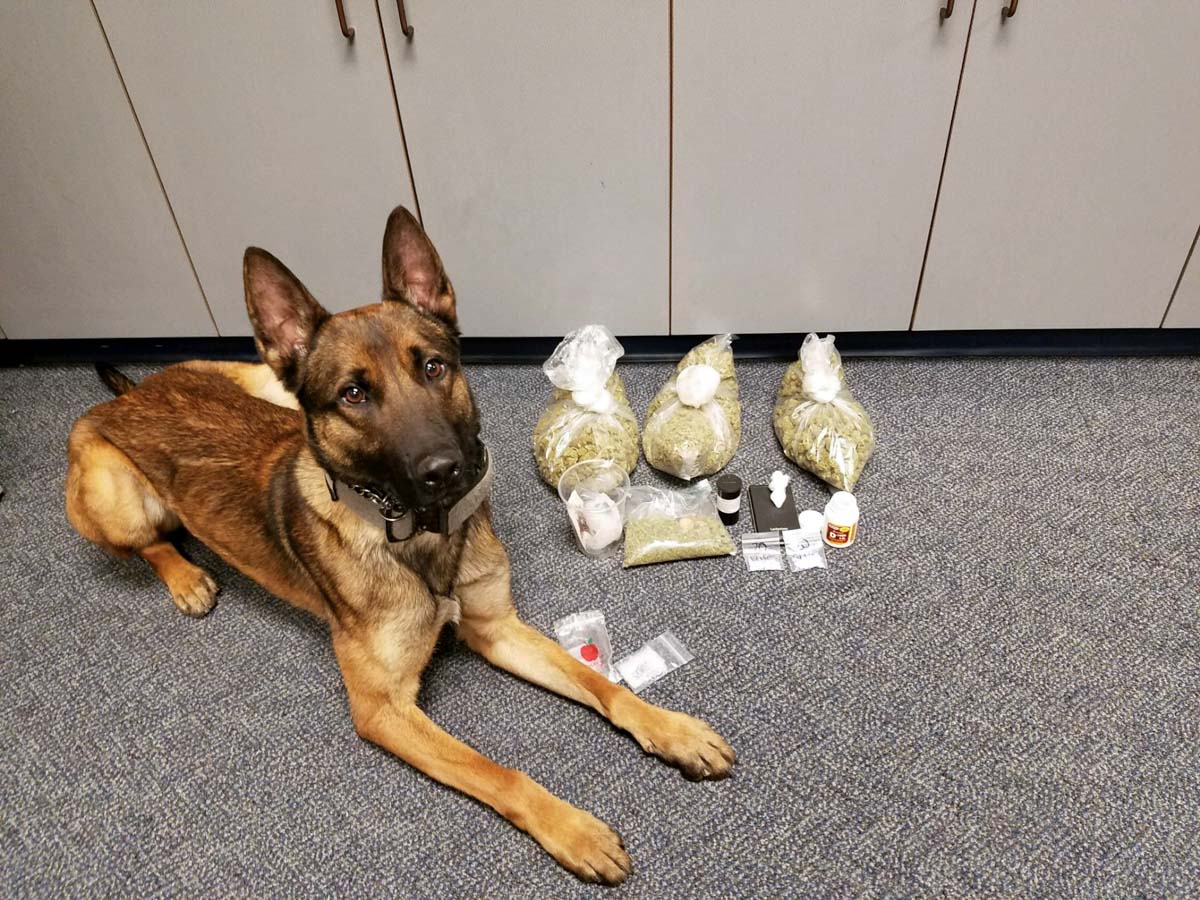
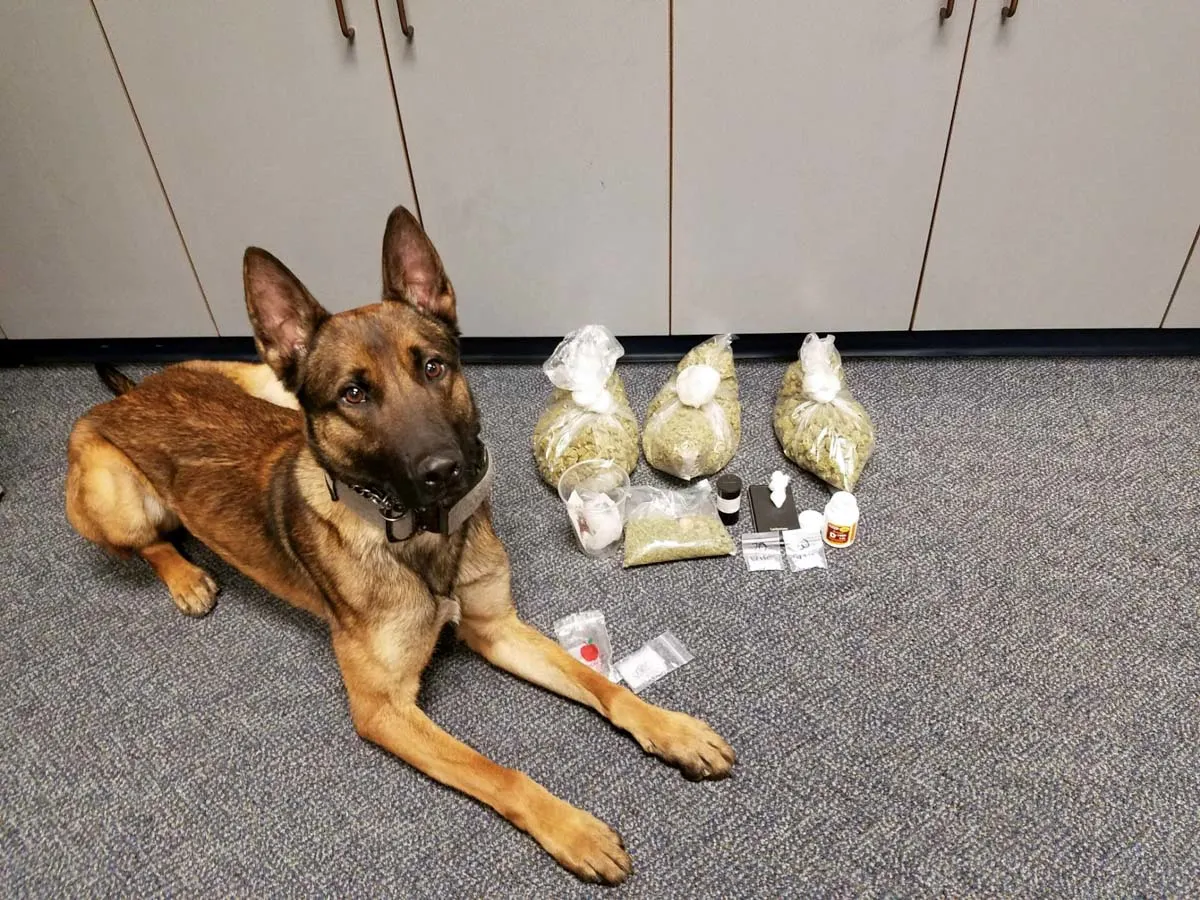
There’s a whole world beyond narcotics. Some K9s are trained to detect explosives, track missing persons, locate human remains or even sniff out electronics in criminal investigations. One dog’s job might be chasing down suspects, another’s could be finding a buried memory card in a search warrant. They’re not one-trick dogs.
They understand only German


The foreign language myth is persistent, but it’s more about clarity than country of origin. Some handlers use German or Dutch commands because the words sound distinct and are less likely to be said accidentally in English. Others use English or mix languages depending on training. It’s about control, not nationality.
They live in cages when off duty


These dogs aren’t tools, they’re partners. Most live with their handlers and are treated like family when the uniform comes off. They go home, relax, play with toys and often sleep in the same house or room as their handler. The working bond doesn’t end at the station, and their living situation reflects that.
They’re trained with cruelty


While outdated or abusive training methods have made headlines in the past, modern K9 programs increasingly rely on positive reinforcement. These dogs work for rewards like balls, tug toys and praise, not fear. A fearful dog is unpredictable and dangerous. A motivated dog is reliable, focused and safer for everyone involved.
They work until they die


Most police dogs retire between 8 and 10 years old, depending on their physical and mental health. Retirement doesn’t mean being shelved. They’re often adopted by their handlers or loving families and live out their remaining years as regular pets. Their work is intense, but they don’t spend their whole lives in the field.
They can’t make mistakes


K9s are highly trained, but they’re still dogs. They get distracted, tired or confused, especially in high-pressure environments. False alerts happen. Misreads happen. Handlers are trained to interpret signals carefully and support the dog, not rely on them blindly. They’re skilled, not infallible.
They’re trained to attack anyone


Police dogs are trained to target threats, not random people. They’re taught to chase and hold, not maul. Use of force is always a controlled decision by the handler, not the dog. The image of dogs being unleashed on crowds or lunging at civilians without cause is outdated and often misinformed.
They’re always working


These dogs aren’t on edge 24/7. They have off days, rest periods and downtime just like any human officer. While on call, yes, they’re ready to move, but when off duty, they’re lounging, playing fetch or begging for snacks like any other dog. Their lives are more balanced than most people think.
They’re machines, not pets
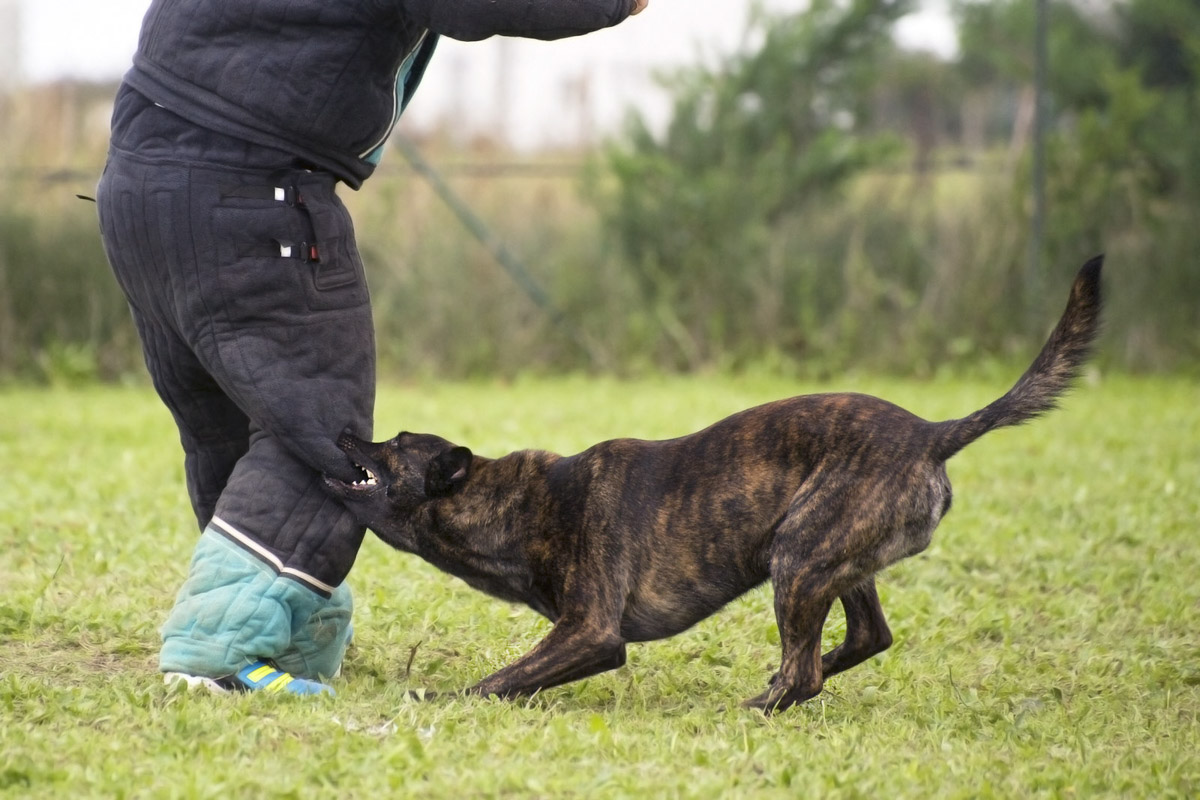
This might be the biggest myth of all. K9s form intense emotional bonds with their handlers, often stronger than most pet-owner relationships. They rely on trust, affection and shared experiences in high-stress situations. The job is real, but so is the relationship. These aren’t just working animals, they’re family with a badge.
They’re the same everywhere


K9 training varies wildly by country, state and even by department. Some use reward-based training, others still rely on compulsion. The role of police dogs also differs — what’s standard in the U.S. might be banned or regulated elsewhere. Not all K9 units are created equal.
They retire and get forgotten


Many retired K9s are honored with small ceremonies or given special recognition for their years of service. Their retirement isn’t an afterthought, it’s a transition. Some departments even raise money for their medical care post-service. The bond doesn’t end with the badge.
11 Top Police Dogs That Go Beyond The German Shepherd


While German Shepherds have long been the face of police dogs, law enforcement agencies have started to branch out. Different jobs require different skill sets, and not every task suits a single breed. From agility to scent detection, various breeds bring unique abilities to the table, making them ideal for specialized roles. Agencies have also sought breeds that may be smaller, faster, or less intimidating, depending on the situation. Here are some of the other breeds sneaking into police work and what they’re used for.
Read it Here: 11 Top Police Dogs That Go Beyond The German Shepherd
12 Working Dog Breeds That Need A Task Or They’ll Invent One

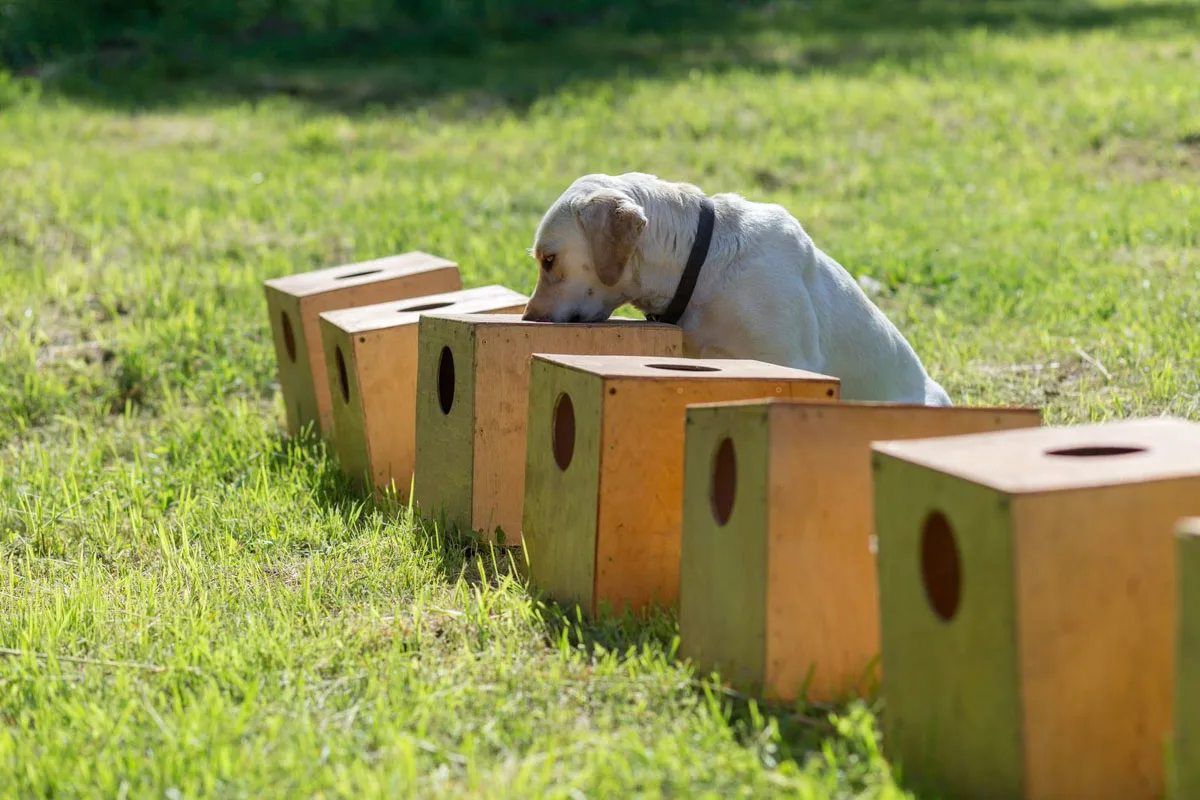
Some dogs are fine with a casual walk and a nap on the couch. These dogs are not. They need a job, a schedule, and something to focus on, or they’ll improvise. That usually means chewing your furniture, digging a crater in the yard, or herding your guests like it’s their shift. They weren’t built for boredom, and they don’t hide it well. If you’re thinking about bringing one home, plan on giving them a task before they invent one.
Read it Here: 12 Working Dog Breeds That Need A Task Or They’ll Invent One