


Dogs get stressed for all kinds of reasons, and it doesn’t always look how you’d expect. Some act out, others shut down completely. You might notice physical changes, mood swings, or strange new habits that don’t match their usual behavior. These shifts are your dog’s way of telling you something isn’t right. Knowing what to look for can help you step in early, make their environment feel safer, and stop stress from spiraling into bigger issues.


Nonstop Barking Fits
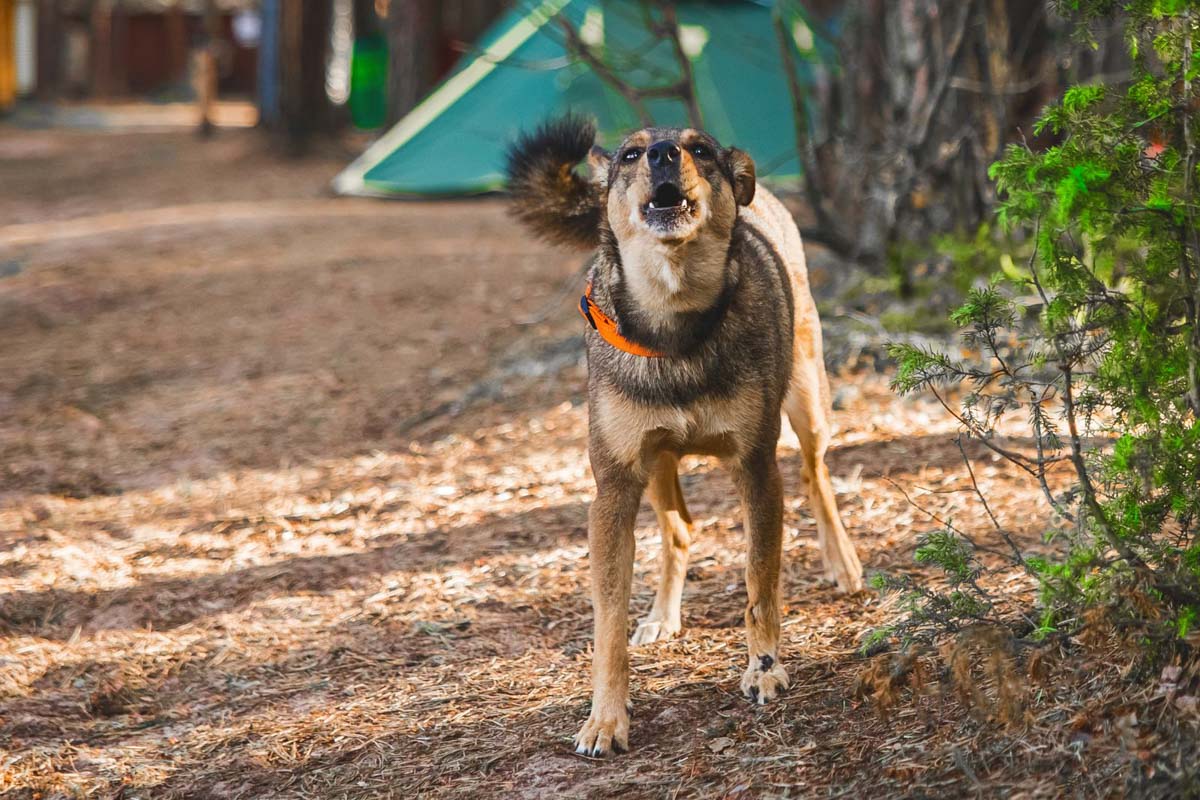

If your dog is barking at everything from falling leaves to passing cars, it might not be about the noise at all. Stress can crank up their reactivity and make them more sensitive to small changes in their surroundings. Try to notice what sets them off and give them something else to focus on, like a puzzle toy or a training game. A consistent routine and a calm tone from you can also help settle their nerves.
Can’t Sit Still


Pacing back and forth, following you around obsessively, or standing alert without resting can all be signs your dog is feeling unsettled. This kind of restlessness is often their way of releasing nervous energy. Make sure they’re getting enough physical activity during the day and give them a dedicated, quiet space to relax. Reducing background noise and household chaos can make a bigger difference than you think.
Obsessive Licking or Chewing


When a dog keeps licking their paws or chewing at their legs with no obvious injury, stress could be behind it. These repetitive actions help some dogs cope with anxiety but can lead to irritated skin and infections. Keep an eye on the behavior and try to redirect it with toys or treats that require focus. You can also ask your vet about calming products that are safe to use short-term.
Heavy Panting Without a Workout


Dogs pant when they’re hot or tired, but if yours is doing it indoors while resting, stress might be pushing their heart rate up. Sudden or ongoing panting without exertion is worth paying attention to, especially if it’s paired with whining or pacing. Make sure their environment is cool and low-key, and give them space away from loud noises or unfamiliar guests.
Weird Eating Habits


Some dogs eat everything in sight when they’re nervous, while others lose their appetite completely. Both can be signs of stress. Try to keep their feeding routine consistent and avoid making sudden changes to their food or environment during mealtime. If the issue lasts more than a day or two, a vet visit might help rule out any physical causes.
Hiding or Avoiding You


A normally social dog that starts ducking behind furniture or retreating to odd corners of the house could be telling you something’s off. This kind of avoidance often happens when they feel overwhelmed. Give them space and avoid forcing interactions. It’s more helpful to let them come to you when they’re ready and to make sure they have access to a quiet, safe zone at all times.
Hair Everywhere All of a Sudden


If you’re suddenly covered in fur and brushing out way more than usual, your dog might be stressed. Shedding tends to ramp up during periods of anxiety, especially after changes in routine or environment. Brushing regularly can help manage the mess while also giving your dog some calm, one-on-one time. If it keeps getting worse, your vet can rule out any medical issues.
Acting Grouchy or Aggressive


If your friendly dog starts growling, snapping, or acting like they don’t want to be touched, stress may be putting them on edge. This behavior is often a reaction to feeling unsafe or uncomfortable. Give them space, avoid punishment, and talk to a trainer or behaviorist if the aggression continues. Early intervention is key before it escalates.
Constant Whining or Whimpering


When your dog is making noise for no clear reason, they may be trying to self-soothe or ask for help. Whining and whimpering are common vocal signs of stress, especially if your dog is also pacing or shaking. Sit with them calmly and speak in a low voice. Sometimes the simple act of being nearby can do more than treats or toys.
Yawning or Licking Lips Over and Over


Dogs yawn and lick their lips when they’re tired or hungry, but doing it repeatedly without context is often a red flag. These are called calming signals, and they show up a lot when dogs are trying to manage their own anxiety. Help by removing any loud or unpredictable stimuli and by keeping your reactions calm and reassuring.
Sudden Sleep Struggles


If your dog is wide awake at 2 a.m. or sleeping way more than usual during the day, stress might be messing with their internal clock. Like people, dogs can experience disrupted sleep when they’re anxious or unsettled. Keeping a consistent schedule for meals, walks, and downtime can help reset their rhythm and make them feel more secure.
Tearing Up the House


Chewed shoes, shredded pillows, or trash pulled all over the floor are more than just annoying. Destructive behavior can be your dog’s way of coping with stress or boredom. Make sure they have enough outlets for their energy during the day, including mental challenges like puzzle feeders. Reinforcing good behavior and reducing chaos in the home can go a long way.
Shaking for No Good Reason


A trembling dog isn’t always cold. Shaking can happen when dogs are scared, anxious, or unsure of what’s coming next. Try creating a safe zone with soft bedding, low lighting, and a few favorite toys. Calming aids like anxiety wraps or pheromone diffusers may also help them settle more quickly.
Accidents in the House


If your potty-trained dog starts having accidents out of nowhere, it’s worth considering stress as a possible cause. Anxiety can impact their bladder and bowels, especially during big changes or loud disruptions. Stay calm and clean up without scolding. Reinforcing the basics with a few extra bathroom breaks can help get them back on track.
Always on High Alert


A dog that seems jumpy, scans the room constantly, or reacts to every little sound may be stuck in a state of hypervigilance. This constant state of alertness is exhausting for both of you. Creating a calm environment and giving them focused tasks like training exercises can help shift their attention and lower their stress levels.
10 Tips For Managing Your Dog’s Separation Anxiety


If your dog gets anxious when you leave, you’re not alone. Many pet owners face the challenge of managing their dog’s separation anxiety. It can be tough seeing your best friend distressed, but there are effective ways to help them cope. Let’s walk through some practical tips to ease your dog’s anxiety and make your departures less stressful for both of you.
Read it Here: 10 Tips For Managing Your Dog’s Separation Anxiety
15 Small Changes That Can Help An Anxious Dog Feel More Secure


Helping an anxious dog feel secure might sound like a tall order, but sometimes it’s the little things that make the biggest difference. Dogs, like us, appreciate a little consistency and comfort in their lives. Whether it’s creating a safe corner for them to retreat to or giving them a task to focus on, there are plenty of simple changes that can calm their nerves without turning your life upside down.
Read it Here: 15 Small Changes That Can Help An Anxious Dog Feel More Secure
*Select images provided by Depositphotos.