


Dogs come in every shape and size, yet many share family ties you’d never believe just by looking at them. These pairings seem impossible until you learn their history. From tiny lapdogs to towering workers, these surprising dog breed relatives prove that genetics can connect breeds with very different looks and personalities. Each one shows how shared ancestry can produce a wide range of temperaments and talents while keeping an unexpected link alive.


Greyhound & Whippet


At first glance these two look like distant cousins, but the Whippet is essentially a smaller version of the Greyhound with the same elegant build and lightning speed. Both were bred as sighthounds for chasing fast-moving prey and share the same powerful muscles and keen eyesight. The main difference is size and daily exercise needs. A Whippet can live comfortably in smaller spaces while still enjoying plenty of runs, while a Greyhound benefits from more room to stretch out. Their shared heritage shows how one family of dogs can adapt to very different living situations.
Saint Bernard & Chihuahua


These breeds could not appear more different, yet they trace back to the same ancient canine ancestors. Saint Bernards were developed in the snowy Alps to rescue travelers, growing into massive, gentle giants with thick coats and steady strength. Chihuahuas stayed tiny and were treasured as companions in warm climates, evolving to thrive in homes and carry an outsized personality. Their shared history proves how a single lineage can branch into breeds suited to opposite climates, lifestyles and sizes while keeping a loyal spirit at the core.
Great Dane & Dachshund


The towering Great Dane and the long, low Dachshund both started from working-dog roots focused on hunting, even though they now fill very different roles. Great Danes were bred to track large game and guard estates, which explains their imposing size and confident nature. Dachshunds were designed to dig into tunnels and flush out burrowing animals, giving them short, sturdy legs and a determined personality. These differences in appearance show how centuries of selective breeding can sculpt dogs for specialized tasks while keeping a shared heritage hidden beneath the surface.
Pekingese & Shih Tzu

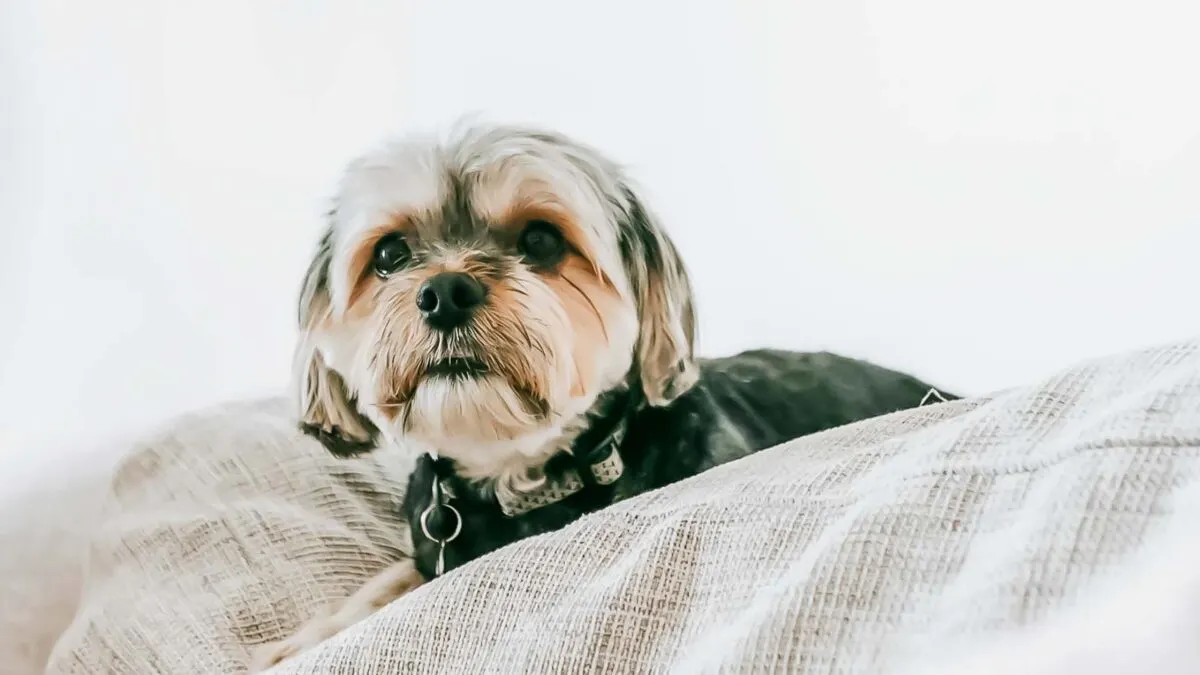
Both of these small, dignified breeds were beloved by Chinese royalty and bred as cherished palace companions. The Pekingese has a compact body, a lion-like mane and a bold, almost catlike independence. The Shih Tzu carries itself with softer grace, a longer flowing coat and an affectionate temperament that leans toward constant companionship. Despite their different looks and slight differences in personality, both share a background as royal lapdogs and remain devoted family pets who still carry a sense of regal charm.
Samoyed & Pomeranian


These breeds look like they live in different worlds, but they both descend from ancient northern Spitz-type dogs. Samoyeds pulled sleds and herded reindeer in freezing Siberia, which is why they have dense double coats and strong, enduring bodies. Pomeranians are their much smaller cousins, bred down over time to be companion animals but still carrying the same foxlike face and fluffy coat. Their shared ancestry explains their love of cold weather and their spirited, friendly personalities, no matter the difference in size.
Mastiff & Pug

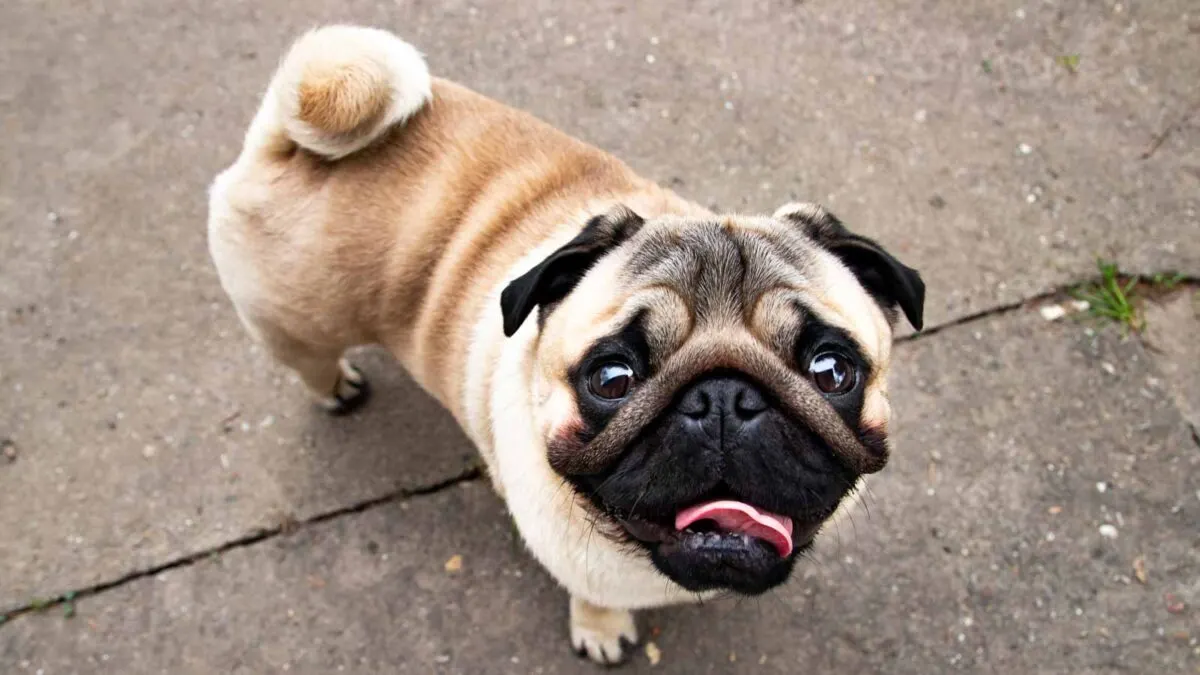
The massive Mastiff and the small, round-faced Pug both descend from ancient Molosser dogs that guarded homes and traveled with armies. Over the centuries Mastiffs were kept large and powerful for protection work, while Pugs were selectively bred down in size to become royal companions in China and Europe. Both breeds remain brave and loyal to their families, but one guards with size and strength while the other wins hearts with charm and determination. Their parallel history shows how one foundation breed can give rise to dogs with very different lives.
Saluki & Afghan Hound


These elegant sighthounds have been hunting companions for thousands of years in the deserts of the Middle East and Central Asia. Salukis have sleek, short coats built for speed and endurance across open sand, while Afghan Hounds developed a long, flowing coat to handle mountain winds and colder climates. Both are independent thinkers and exceptional runners who need space to sprint, and both carry themselves with a natural grace that speaks to their shared history as prized hunting dogs for ancient royalty.
Corgi & German Shepherd
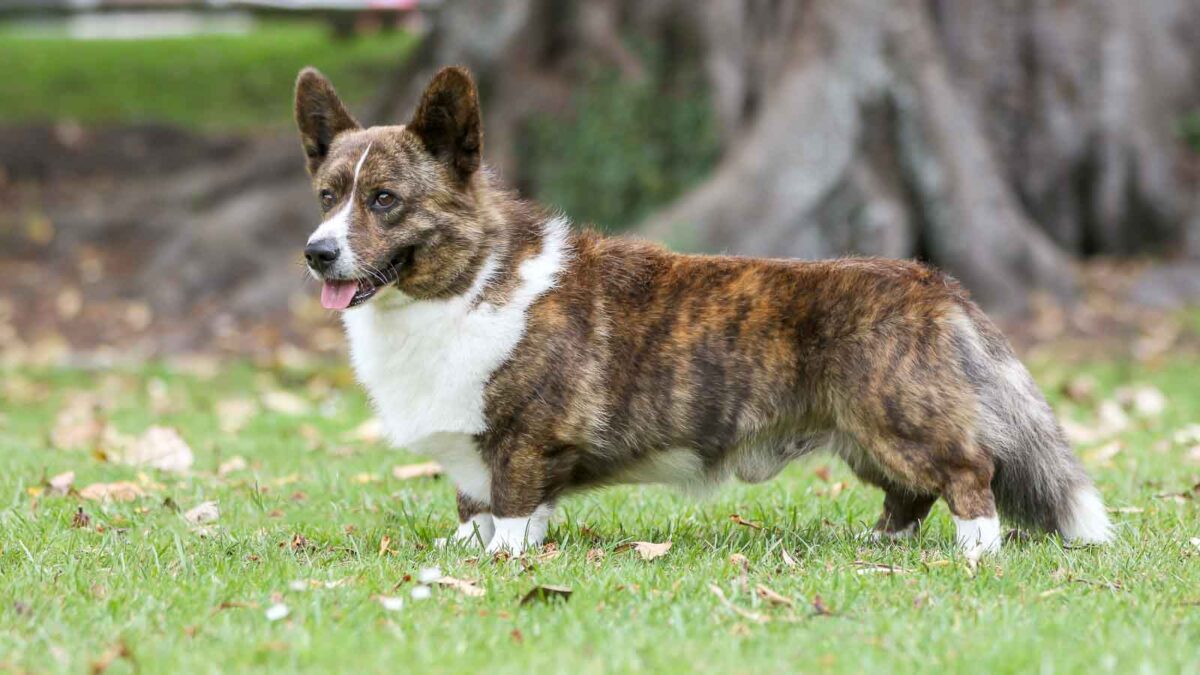

These two herding breeds share a strong working drive and sharp intelligence, but their physical differences are striking. The Corgi’s short legs and long back allowed it to nip at cattle’s heels while staying low and safe from kicks. German Shepherds were bred to handle larger herds and provide protection, leading to their taller frame and watchful nature. Both excel at training and thrive when given tasks, proving that even within one type of work a shared ancestry can produce dramatically different body shapes and talents.
Bulldog & Boxer


Both Bulldogs and Boxers stem from old European working and bull-baiting dogs, but their paths split as breeding shaped their roles. Bulldogs became compact, calm companions with distinctive wrinkled faces and a steady, patient nature. Boxers developed into taller, more athletic protectors that are playful and quick on their feet. They still share courage and a deep loyalty to their families, yet they express it in different ways, showing how a common heritage can evolve into distinct personalities and physiques over time.
Basset Hound & Bloodhound


These scent hounds are related through their unmatched tracking ability, yet their forms serve different purposes. Bloodhounds are large and powerful with long legs for covering miles while following a trail. Basset Hounds, with their shorter legs and heavy bodies, work closer to the ground and excel at slow, methodical scent work. Both breeds rely on incredible noses and an independent streak that keeps them focused on the job, illustrating how shared genetics can lead to different but equally impressive specialties.
9 Dog Breeds That Were Bred For Completely Unexpected Jobs

Not all dogs were bred just to be loyal companions or fetch tennis balls. Some of them have pretty wild backstories you wouldn’t expect. From tiny lap dogs with tough-as-nails attitudes to fluffy pups who used to have serious day jobs, these breeds weren’t always just about looking cute.
Read it Here: 9 Dog Breeds That Were Bred For Completely Unexpected Jobs
10 Historical Facts About Dogs That Will Surprise You


Dogs have been our loyal companions for thousands of years, but their history is filled with some fascinating and surprising stories. From ancient Egypt to World War I, dogs have played important roles in various cultures and events. Check out these amazing historical facts about dogs that will give you a new appreciation for our four-legged friends. You won’t believe some of the incredible things they’ve done!
Read it Here: 10 Historical Facts About Dogs That Will Surprise You
*Select images provided by Depositphotos.