

Some states love their dogs so much, they’ve made it official. Across the country, certain breeds have earned state recognition for the work, loyalty, and history they represent. From sled dogs that helped settlers survive brutal winters to hunting partners that defined early American life, these dogs have done more than earn affectio, they’ve earned their place in state identity. Each breed reflects a piece of local culture and pride, showing just how strong the bond between people and dogs can be.


Alaskan Malamute


The Alaskan Malamute became Alaska’s state dog in 2010 and perfectly represents the state’s rugged landscape and sled dog heritage. These powerful, thick-coated dogs have been essential to Arctic life for centuries, hauling heavy loads across ice and snow long before snowmobiles existed. They’re known for strength and endurance, but they’re also loyal and friendly with the people they work beside. Today, they symbolize both Alaska’s history and its spirit of resilience.
Adoptable Dog


Georgia took a different approach when naming its state dog. In 2016, lawmakers chose the “Adoptable Dog” to highlight the importance of rescuing shelter pets. The title isn’t tied to a specific breed but instead celebrates every dog waiting for a home. The move turned an official designation into a message of compassion and awareness. Georgia’s choice reminds people that loyalty and love don’t depend on pedigree.
Catahoula Leopard Dog


Louisiana’s state dog, recognized in 1979, is as distinctive as the state itself. The Catahoula Leopard Dog, sometimes called the Catahoula Cur, is known for its striking spotted coat and unmatched versatility. These dogs were bred to hunt and herd, handling everything from wild hogs to cattle. Their boldness and independence make them true working dogs, but their loyalty keeps them close to their people. They reflect Louisiana’s blend of strength, color, and individuality.
Chesapeake Bay Retriever
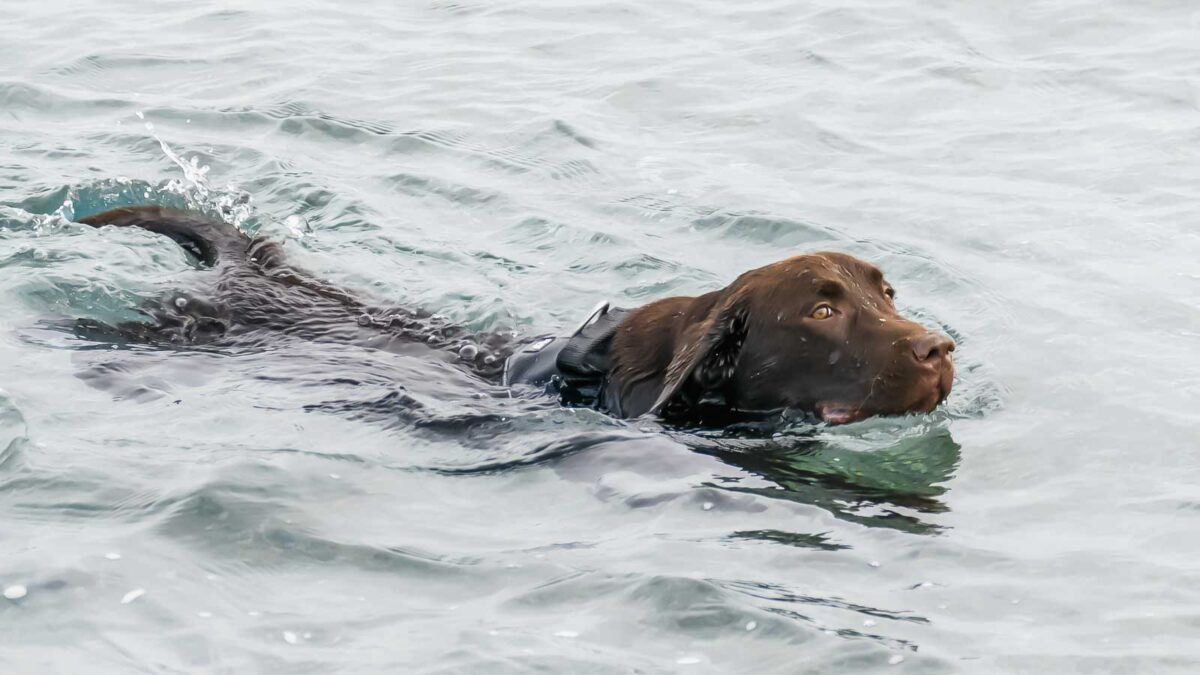

Maryland’s Chesapeake Bay Retriever has been its state dog since 1964. Bred along the shores of the Chesapeake, these strong swimmers were developed to retrieve waterfowl from icy waters. They’re tough, determined, and deeply loyal which are traits that fit perfectly with Maryland’s maritime traditions. Their waterproof coat and keen instincts make them tireless partners for hunters, and their steady temperament has helped them become a beloved companion far beyond the Bay.
Boston Terrier


Recognized in 1979, the Boston Terrier is Massachusetts through and through. Often called the “American Gentleman,” this small but sturdy dog was bred in Boston in the late 1800s and became one of the first truly American breeds. They’re known for being friendly, lively, and adaptable, which fits the spirit of their hometown. With their tuxedo markings and easygoing personality, they’ve become both a state symbol and a reminder of local pride.
Chinook


New Hampshire named the Chinook its state dog in 2009 to honor one of the few sled dog breeds developed in the United States. Created by explorer Arthur Walden in the early 1900s, the Chinook is known for strength, endurance, and a calm temperament. They’re rare today but remain a point of pride for the state that gave them their start. The breed reflects New Hampshire’s love of adventure and respect for hard work.
Plott Hound


Designated in 1989, the Plott Hound holds a special place in North Carolina’s history as the only breed that originated there. Bred by the Plott family in the 1700s, these dogs were developed to hunt wild boar and bear in the mountains. They’re brave, determined, and relentless on the trail, yet loyal and gentle with their families. Their deep roots and working spirit make them a perfect reflection of the state’s mountain heritage.
Great Dane


Pennsylvania’s official state dog, named in 1965, is the Great Dane. The breed’s connection to the state dates back to William Penn, who owned one as a companion and protector. Despite their size, Great Danes are gentle giants, calm around people but confident when needed. They symbolize both strength and grace, qualities that mirror the history of Pennsylvania’s founders and the loyalty they valued.
Boykin Spaniel


The Boykin Spaniel became South Carolina’s state dog in 1985 and remains a local favorite among hunters and families alike. Developed in the early 1900s near the Wateree River, Boykins are energetic, intelligent, and excellent swimmers. They were bred to hunt waterfowl and wild turkeys, and their compact size makes them easy to travel with in small boats. They’re friendly and hard-working, traits that fit right in with the state’s outdoor traditions.
Blue Lacy


Named the state dog in 2005, the Blue Lacy is the only breed to originate in Texas. Bred by the Lacy family in the 1800s, these dogs are quick, focused, and highly adaptable. They’ve long been used on ranches for herding and tracking, where their intelligence and endurance shine. The breed’s blue-gray coat and piercing eyes make them unmistakable, and their determination reflects Texas independence better than almost anything else.
American Foxhound


Virginia’s American Foxhound, declared the state dog in 1966, is deeply tied to the nation’s history. George Washington played a key role in developing the breed by crossing English and French hounds at Mount Vernon. Known for endurance, speed, and a musical bay, the American Foxhound became a favorite for hunters and horsemen across the state. Their calm, good-natured personality and strong work ethic still make them a fitting symbol of Virginia’s heritage.
10 Historical Facts About Dogs That’ll Surprise You


Dogs have been our loyal companions for thousands of years, but their history is filled with some fascinating and surprising stories. From ancient Egypt to World War I, dogs have played important roles in various cultures and events. Check out these amazing historical facts about dogs that will give you a new appreciation for our four-legged friends. You won’t believe some of the incredible things they’ve done!
Read it Here: 10 Historical Facts About Dogs That Will Surprise You
You Can’t Own These 10 Dog Breeds In Certain Countries


When it comes to owning a dog, some breeds come with a lot of baggage—so much so that they’re banned in certain countries. These bans usually stem from concerns about aggression and safety. While you’ll recognize some names on this list, others might be more surprising. See which breeds’ reputations precede themselves around the world.
Read it Here: You Can’t Own These 10 Dog Breeds In Certain Countries
*Select images provided by Depositphotos.