


Dogs don’t need tutorials or practice to master some seriously impressive skills—they’re just born with them. While humans fumble through life learning how to navigate social cues or figure out directions, dogs are out here tracking scents, reading emotions, and handling tasks that would leave us scratching our heads. It’s a little humbling, really, but also fascinating to see what they’ve got built into their DNA. These talents don’t just make them lovable companions; they also remind us why they’ve been our best buddies for centuries.


Sense of Smell


Dogs are born with an extraordinary sense of smell, capable of detecting scents up to 100,000 times better than humans. This skill helps them locate food, identify people, and even sniff out health issues. Humans spend years developing scent identification skills, but for dogs, it’s instinctive and highly refined from birth.
Hearing High Frequencies


Dogs naturally hear sounds in higher frequencies, often picking up on pitches and tones humans can’t detect. This skill is particularly useful for hunting, locating prey, or identifying threats. Humans must rely on tools or technology to achieve the same auditory sensitivity that comes to dogs naturally.
Pack Communication


From an early age, dogs understand complex pack dynamics and can communicate effectively through body language, vocalizations, and subtle behaviors. Humans, on the other hand, often need extensive social training to navigate group hierarchies and non-verbal communication.
Directional Awareness


Dogs have an innate ability to orient themselves and navigate using their internal compass. Whether tracking a scent or finding their way home, dogs rarely lose their sense of direction. Humans often need maps, GPS, or navigation training to replicate this capability.
Emotional Sensitivity


Dogs are highly attuned to emotions and can detect subtle changes in human mood or stress levels. This makes them excellent companions and even therapy animals. Humans often struggle to read each other’s emotions without explicit communication, making this skill one of a dog’s most impressive natural talents.
Swimming Ability


While not all dogs are natural swimmers, many breeds instinctively know how to paddle and stay afloat. This instinct is rooted in survival. In contrast, humans often need formal swimming lessons to develop this life-saving skill.
Speed and Agility


Dogs are born with the ability to run at high speeds and navigate obstacles with ease. Their physical structure allows for natural bursts of energy and precision, which is why they excel in activities like agility training and herding. Humans typically require rigorous training and conditioning to achieve similar levels of physical performance.
Scent Tracking


Dogs are natural trackers, using their noses to follow trails and locate people or objects. This ability has made them invaluable in search-and-rescue operations. Humans must learn tracking through practice and often depend on tools to achieve comparable accuracy.
Social Bonding


Dogs are inherently social creatures and form bonds with humans and other animals quickly. This skill allows them to integrate into families or groups effortlessly. Humans, however, often take time and effort to develop deep social connections, requiring trust-building and communication.
Observation Skills


Dogs are quick to observe and react to changes in their environment, whether it’s a new person entering a room or a shift in the weather. Humans often overlook small details and need to train themselves to be more observant, especially in unfamiliar situations.
Guarding and Protecting

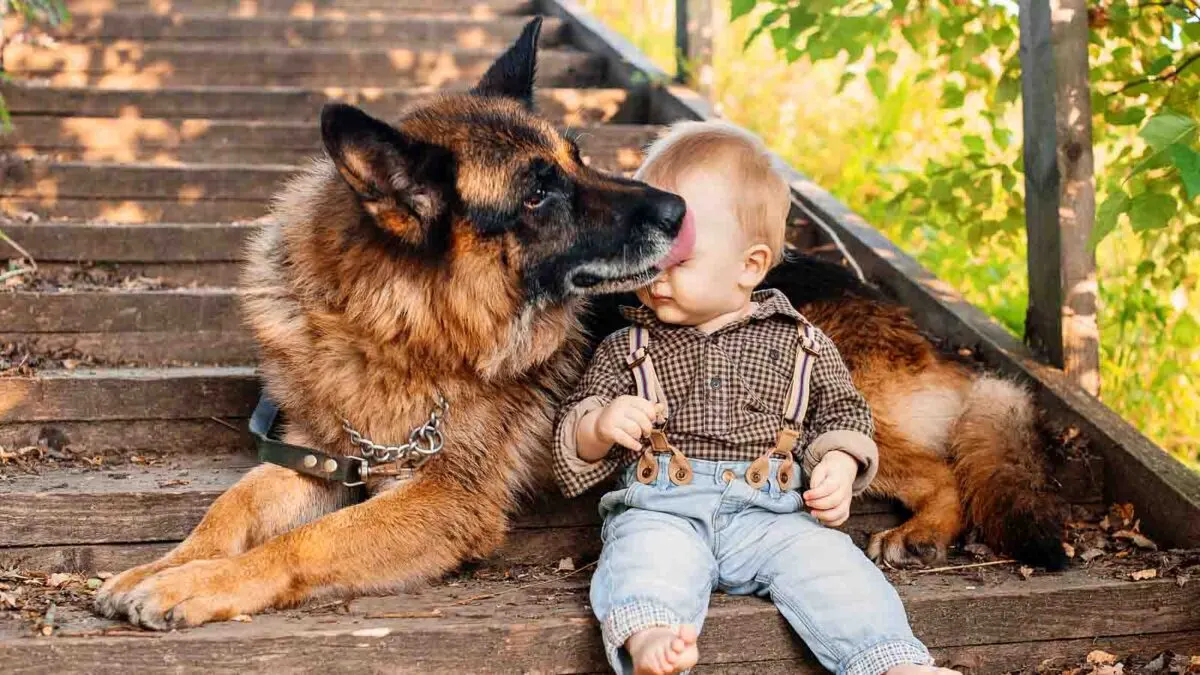
Instinctively, many dogs will guard their territory, loved ones, or resources. This behavior is deeply ingrained and doesn’t require formal training in most breeds. Humans, however, need extensive training and practice to develop comparable protective instincts and reactions.
Adaptability


Dogs can quickly adjust to new environments, routines, and situations, making them incredibly resilient. Whether moving homes or adapting to a new family dynamic, dogs often thrive where humans might struggle with stress or anxiety during similar transitions.
13 Breeds That Make Great Emotional Support Animals


Emotional support dogs are more than just pets—they’re companions that provide comfort and stability to people dealing with emotional or mental health challenges. These dogs aren’t trained to perform specific tasks like service dogs, but their presence alone can help reduce anxiety, depression, and stress. Getting an emotional support dog isn’t about teaching them tricks; it’s about having a reliable, loving presence by your side. All it takes is a letter from a licensed mental health professional to certify your dog as an emotional support animal. So, if you’re looking for a furry friend who’s always ready to lend a paw (or cuddle), these breeds are some of the best at offering unconditional emotional support.
Read it Here: 13 Breeds That Make Great Emotional Support Animals
13 Fun Ways to Strengthen Your Bond with Your Dog


Building a strong bond with your dog goes beyond the usual belly rubs and fetch games. It’s those everyday moments, the small things you do together, that really deepen the connection. Whether it’s a long walk at the end of a tough day or simply sitting together while you read, these little interactions remind your dog that they’re a huge part of your life. If you’re looking for a few more ways to make your bond even stronger, there are some fun, simple things you can try to show your dog just how much they mean to you.
Read it Here: 13 Fun Ways to Strengthen Your Bond with Your Dog
*Select images provided by Depositphotos.