


Feeding your dog should be as simple as filling their bowl and watching them chow down happily. But sometimes, the food we choose doesn’t quite agree with our furry friends. If your dog is dealing with tummy troubles, itchy skin, or other odd symptoms, their diet might be to blame. Here are a few signs that your dog’s food isn’t right for them and what you can do about it.


Chronic Diarrhea


Frequent loose stools are a major red flag. It can indicate that your dog’s food isn’t agreeing with their digestive system. Persistent diarrhea can lead to dehydration and nutrient loss, so consider switching to a different formula or brand that may stabilize their digestion. Consult your vet if it continues.
Itchy Skin and Hot Spots


Constant scratching, biting, or the appearance of red, inflamed areas can be signs of food allergies. Common culprits include proteins like beef or chicken. Consider a limited-ingredient diet to pinpoint and eliminate the allergen, and provide some relief to your dog’s irritated skin.
Excessive Gas


While all dogs pass gas, excessive flatulence can indicate poor digestion or intolerance to certain ingredients. Foods that are high in fiber or contain certain grains can be harder to digest. Look for food that is easier on their stomach, such as those with probiotics or easily digestible ingredients.
Lethargy


If your dog seems unusually tired or has less energy than usual, it could be due to poor nutrition. Ensure their food provides balanced nutrients, including proteins, fats, and carbohydrates, to keep them energetic and healthy. A lack of vitamins or minerals can also be a culprit, so a well-rounded diet is essential.
Weight Loss or Gain


Sudden changes in weight without a change in portion size can signal that your dog’s food isn’t meeting their nutritional needs. Rapid weight loss might mean they’re not getting enough calories or nutrients, while weight gain could indicate excess calories or fillers. Monitor their weight and consult a vet for dietary adjustments to find a balanced diet.
Frequent Ear Infections


Recurring ear infections can be a symptom of food allergies, often caused by common ingredients like dairy, wheat, or soy. Grain-free or hypoallergenic diets can sometimes alleviate these issues by reducing inflammation and preventing the buildup of yeast or bacteria in the ears.
Dull Coat and Hair Loss


A shiny coat is a sign of good health. If your dog’s coat is looking dull or they are shedding excessively, it might be due to a lack of essential fatty acids, like omega-3 and omega-6, in their diet. Foods rich in these nutrients can help restore their coat’s natural shine and reduce shedding.
Bad Breath


Persistent bad breath can be linked to poor diet quality. High-quality dog food with natural ingredients and fewer fillers can help improve oral health and reduce foul odors. Additionally, some foods are specifically formulated to promote dental health and keep breath fresher.
Paw Licking


Excessive paw licking can be a sign of allergies or discomfort caused by certain food ingredients. Switching to hypoallergenic food might reduce this behavior. Allergens like grains or certain proteins can cause itchy paws, so finding a diet that eliminates these triggers can provide relief.
Vomiting


Frequent vomiting can indicate that your dog’s food isn’t agreeing with their stomach. Ingredients like artificial additives or low-quality proteins can cause digestive upset. Consider switching to a more natural, high-quality diet to see if it helps settle their stomach. Persistent vomiting should be discussed with your vet.
Can You Buy Dog Food with Food Stamps?
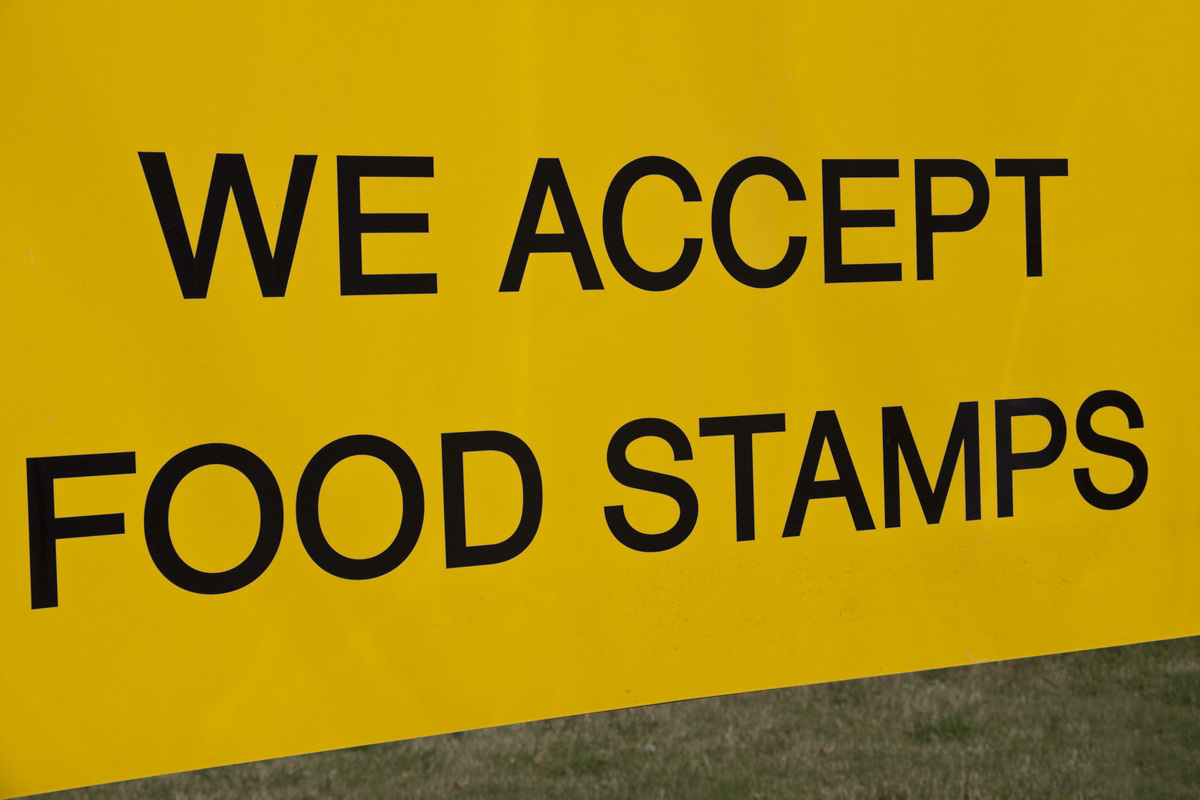

For countless individuals, a pet is not just an animal; it’s a cherished member of the family. The love and companionship our furry friends provide, especially in challenging times, are irreplaceable. Given this deep bond, it’s no surprise that many pet owners are determined to ensure their pets receive the best care possible, including a balanced and nutritious diet. This brings us to a frequently asked question: Can you buy dog food with food stamps?
Read it Here: Can You Buy Dog Food with Food Stamps?
Why Chicken Feet Are the Next Big Thing in Dog Health


There’s been a buzz in the pet community recently about an unusual dog treat: chicken feet. Yes, you heard that right, the feet of chickens are becoming a popular dog treat, and for good reason. Let’s dive into the world of feeding chicken feet to dogs and understand the many benefits it brings.
Read it Here: Why Chicken Feet Are the Next Big Thing in Dog Health
*Select images provided by Depositphotos.