

Dogs pay close attention to the world around them and use that information in surprisingly smart ways. They learn routines without being told, watch how things work and figure out solutions that make sense to them. Their awareness shows up in ordinary moments that reveal how quickly they take in new information. When you look at the small behaviors they repeat every day, you see the depth of their problem solving and memory. These examples highlight how much more they understand than we often assume.


Solving food puzzles with real intention


Food puzzles show how focused and strategic dogs can be when there’s a clear goal in front of them. They test different approaches, learn what works and commit to the process until the last piece falls out. You can almost see their thinking evolve as they try again with more precision. It’s a simple moment that highlights how quickly they pick up patterns and adjust their behavior.
Figuring out how to open doors


Many dogs eventually learn how to move a handle or push a door in a way that gets results. They watch how it works and try different angles until they get the opening they want. Those repeated attempts show real understanding of how their environment responds to their actions. Once they’ve cracked the method, they treat it like a skill they’ve always had.
Noticing routine cues faster than we expect
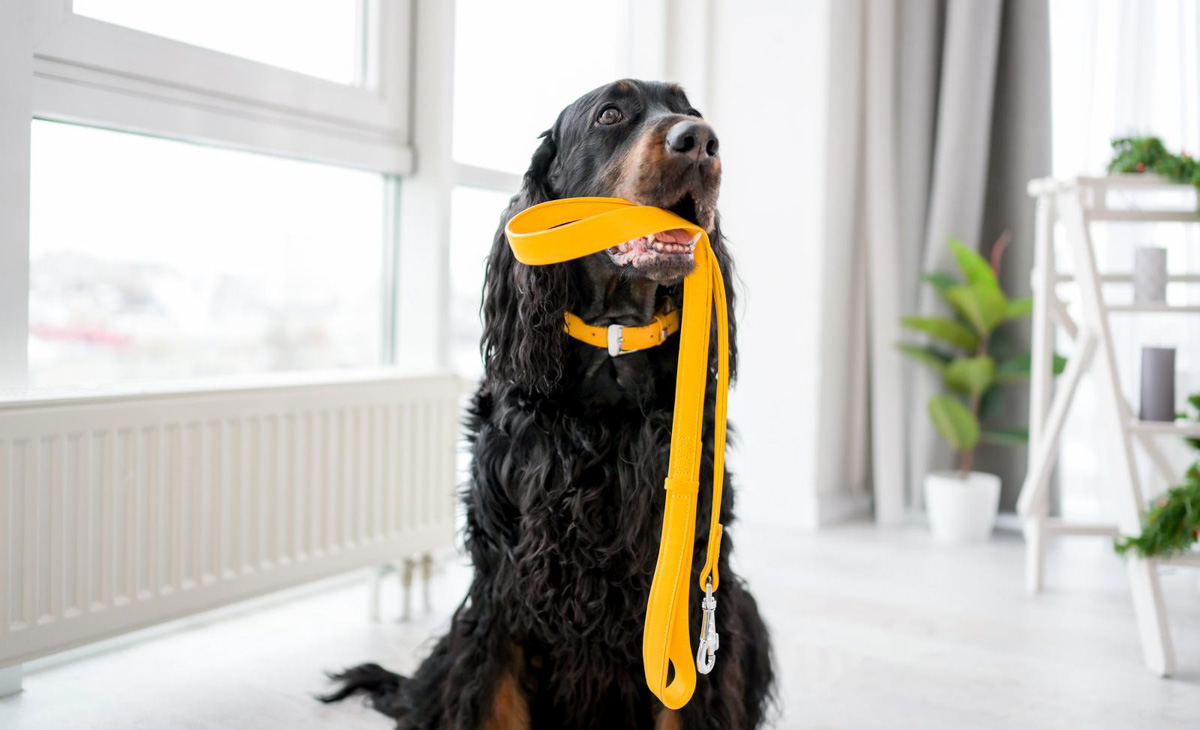

Dogs learn the rhythm of a home with impressive speed. Small sounds or movements become signals that something familiar is about to happen. They connect a set of actions to the outcome they care about and respond immediately. It’s a clear sign of how well they track patterns in daily life.
Using charm to get treats


Dogs are very aware of which habits earn them rewards. The head tilts, soft eyes and polite sits are part of a playbook they’ve refined over time. They pay attention to what works with their person and bring out those behaviors when snacks are in the picture. It’s subtle and very intentional.
Remembering the places that matter


Once a dog decides a spot is worth returning to, they never forget it. A single visit to a park or favorite trail is enough for them to map the route in their mind. They notice landmarks, pace changes and familiar scents and store all of it away. The next time you pass by, they’re ready to go before you even think about stopping.
Saving toys in places that feel secure


Dogs often tuck their favorite toys in beds, corners or other spots they’ve claimed as their own. That choice reflects how they manage their belongings and what they view as safe space. It shows memory, preference and the ability to plan for later. They return to their little hiding spots with full confidence their treasures are right where they left them.
Copying behaviors they see from their humans


Dogs watch their people closely and often mirror what they do. Sitting in certain spots, trying to help with chores or following posture cues all come from that observation. It becomes one more way they connect with the household. These small imitations show how tuned in they are to the environment they share with you.
Finding ways around barriers


Whether it’s a fence, a gate or a poorly latched door, determined dogs analyze their surroundings and test different solutions. They remember what worked in the past and reuse the strategy when needed. It’s a thoughtful approach that shows a real understanding of space and opportunity. Many owners are surprised by how quickly dogs learn the fastest route to freedom.
Recognizing names and everyday words


Dogs build a strong vocabulary when they hear certain words linked to specific outcomes. They learn the names of toys, family members and activities and respond with accuracy. This ability shows strong memory and the capacity to process language in a meaningful way. Over time, they pick up more than most people expect.
Reading shifts in human emotion


Dogs pay close attention to tone, posture and energy. They adjust their behavior when they sense frustration, sadness or excitement. This awareness shapes how they comfort people and how they navigate tense or calm moments. Their emotional sensitivity is one of the clearest signs of how closely they study us.
Tracking daily schedules with precision


Once dogs understand the timing of meals, walks or household routines, they stick to it. They watch the clock in their own way and anticipate what should happen next. This consistency shows how deeply they absorb structure and predictability. It also explains why they’re waiting for you before you even think about getting up.
Understanding gestures and direction


Dogs respond to pointing and other simple gestures with natural ease. They can follow the line of your hand to a specific object or area without needing extra instruction. This ability to read human motion shows strong social intelligence and cooperation. It’s one of the traits that helps them work so well with people.
13 Dogs That Are Way Too Smart For Their Own Good


Some breeds are just too smart for their own good, constantly outsmarting their owners and finding new ways to keep you on your toes. These dogs need lots of mental stimulation to keep them happy, and they’ll surprise you with their clever antics and problem-solving skills. If you’re looking for a dog that will amaze you with their intelligence, check out these breeds that are way too smart for their own good.
Read it Here: 13 Dogs That Are Way Too Smart For Their Own Good
10 Dogs That Might Be A Bit Too Smart For First-Time Owners


Thinking of bringing home a smart dog? Be careful what you wish for. While intelligent dogs can be highly trainable, they also come with a knack for pushing limits and finding loopholes. For first-time owners, this level of cleverness can quickly turn into a challenge, requiring constant engagement and firm training. These breeds are sharp, curious, and need more than a few basic commands to stay content.
Read it Here: 10 Dogs That Might Be A Bit Too Smart For First-Time Owners