


Getting a second dog might seem like a great idea—double the love, double the fun, right? But before you make the leap, it’s worth thinking about some of the challenges that come with adding another furry friend to your family. From increased costs to potential personality clashes, there’s more to consider than just the cuteness factor. Bringing home a second dog can be rewarding, but it’s not always as easy as it sounds.


Double the Expenses


Adding a second dog doesn’t just double the fun—it doubles the costs too! From food and vet bills to grooming and toys, your budget will take a hit. It’s easy to overlook how quickly these expenses can add up when you’re caught up in the excitement of bringing home a new furry friend.
Potential Personality Clashes


Just like people, dogs have unique personalities, and there’s no guarantee that your first dog will get along with the new addition. Introducing a second dog could lead to tension, territorial disputes, or even full-on rivalry if they’re not a good match. It’s important to consider how your current dog might react to a new sibling before making the decision.
Twice the Training


Remember those sleepless nights of puppy training? Get ready to do it all over again—except this time, you’ve got a curious older dog who might just undo all your hard work by “helping” train the new pup. Whether it’s housebreaking, obedience, or teaching new tricks, training two dogs can be a juggling act. It’s a bigger commitment than you might think.
Splitting Your Attention


Your first dog is used to being the center of your world, but bringing home a second dog means splitting your attention. Balancing time between the two can be tricky, and your first dog might feel a little left out. Managing two dogs means making sure each gets enough love, exercise, and attention, which can be harder than it sounds.
Increased Chaos at Home

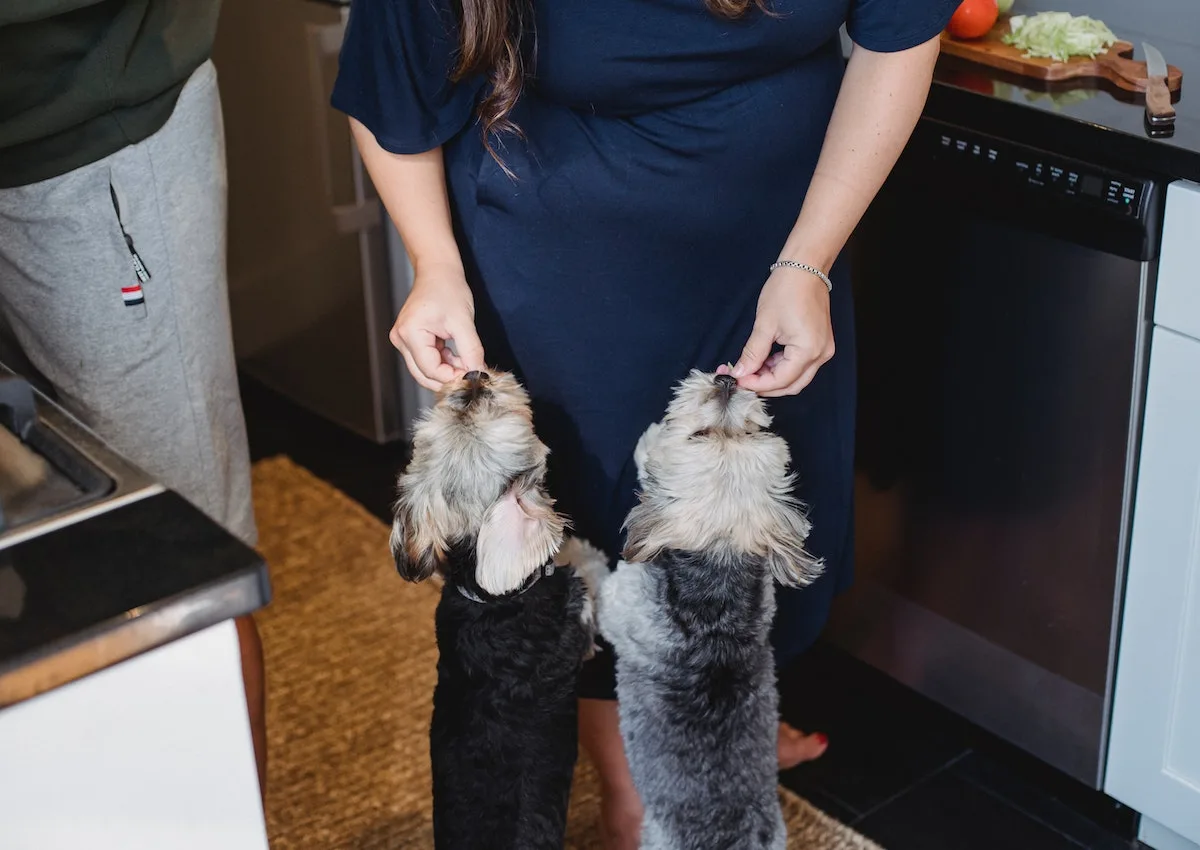
If your house is already a bit chaotic with one dog, adding a second could crank up the madness. Double the dogs means double the mess, noise, and general mayhem. From shedding to barking to the occasional zoomies, your home might start to feel a little more like a circus than a sanctuary!
Different Needs and Energy Levels


Not all dogs have the same energy levels or exercise needs. Your laid-back older dog might not appreciate the high-energy antics of a new puppy, or vice versa. Matching their routines and ensuring both dogs get the right amount of exercise and mental stimulation can be challenging, especially if their needs are very different.
Potential Jealousy Issues


Dogs can get jealous too! Your first dog might not be thrilled about sharing your attention and affection with a new sibling. This can lead to behavioral issues like sulking, acting out, or even trying to reclaim their status as top dog. Jealousy between dogs can create tension and make the transition to a two-dog household more complicated.
Traveling Becomes Trickier


Traveling with one dog can already be a challenge, but with two, it gets even more complicated. Finding accommodations, packing double the supplies, and managing both dogs on the road requires extra planning and effort. Some places that were dog-friendly might not be as accommodating to two pups, making travel logistics a bit more stressful.
Finding Time for Individual Attention


Every dog needs individual attention and bonding time with their owner, but with two dogs, it can be tough to carve out that one-on-one time. Making sure each dog feels loved and valued can be a balancing act, and it might require more effort than you expect to keep both pups happy.
Potential for Resource Guarding


Some dogs don’t like to share, whether it’s their food, toys, or even their favorite spot on the couch. Introducing a second dog could lead to resource guarding, where one or both dogs start to get protective over their possessions. This can lead to conflicts and requires careful management to ensure both dogs feel secure and comfortable.
12 Dogs That Are Always The Last To Be Adopted


Walking into a shelter can be heartbreaking, especially when you notice certain dogs always seem to get left behind. Despite their charm and love, some breeds just don’t get the attention they deserve. Maybe it’s their misunderstood reputation or unique needs, but these pups often find themselves waiting longer for a forever home. Hopefully shining a light on these lovable canines will change the situation.
Read it Here: 12 Dogs That Are Always The Last To Be Adopted
12 Signs Your Dog Is the Boss of You & Your House


Ever feel like your dog is running the show at home? You’re not alone! Many of us have pups who’ve taken over our lives in the most adorable ways. They’ve got us wrapped around their paws, dictating our schedules and stealing our best spots. If you’re starting to think your dog might be the real boss of the house, here are some of the tell-tale signs .
Read it Here: 12 Signs Your Dog Is the Boss of You & Your House
*Select images provided by Depositphotos.