


Few things grab our attention like a perfectly timed dog head tilt. It’s oddly charming, a little dramatic, and somehow always feels deliberate. You’ve probably seen it mid-conversation or when a strange sound comes out of nowhere. It’s the kind of behavior that makes you wonder what’s really going on in their head. Turns out, there’s more behind that look than just being cute.


Trying to Hear Better


When your dog tilts their head at a strange sound, they’re not just being dramatic. They’re repositioning their ears to locate the source of the noise more accurately. The slight shift gives them a better angle to interpret what they’re hearing. Just like you might lean in to catch a conversation in a loud room, dogs use the tilt to sharpen their auditory focus.
Focusing on Visual Cues


Dogs don’t always have a perfect line of sight, especially with longer snouts in the way. Tilting their head helps them get a clearer view of your face, hand gestures, or an unfamiliar object. It’s a way of adjusting their perspective when something catches their attention but isn’t quite clear from their original angle.
Looking for Approval


Head tilts often show up when your dog is trying to read your response. They want to know if they’re on the right track, if you’re pleased, or if they’ve done something worth repeating. By shifting their head, they’re tuning in more closely to your voice and expressions in hopes of decoding your reaction.
Instinctive Response


Curiosity can trigger a spontaneous head tilt. When a dog hears a new sound or sees something unexpected, the tilt helps them process what’s happening. It’s a natural behavior that signals attention and thought, especially when they’re trying to figure out if something is safe, interesting, or confusing.
Enhancing Smell
While sniffing is their strongest tool, dogs sometimes change head position to fine-tune what they’re smelling. Tilting the head can slightly alter how scent particles enter the nose, giving them a better sense of what they’re picking up. It’s a subtle but purposeful adjustment that supports their constant environmental scanning.
Attention-Seeking
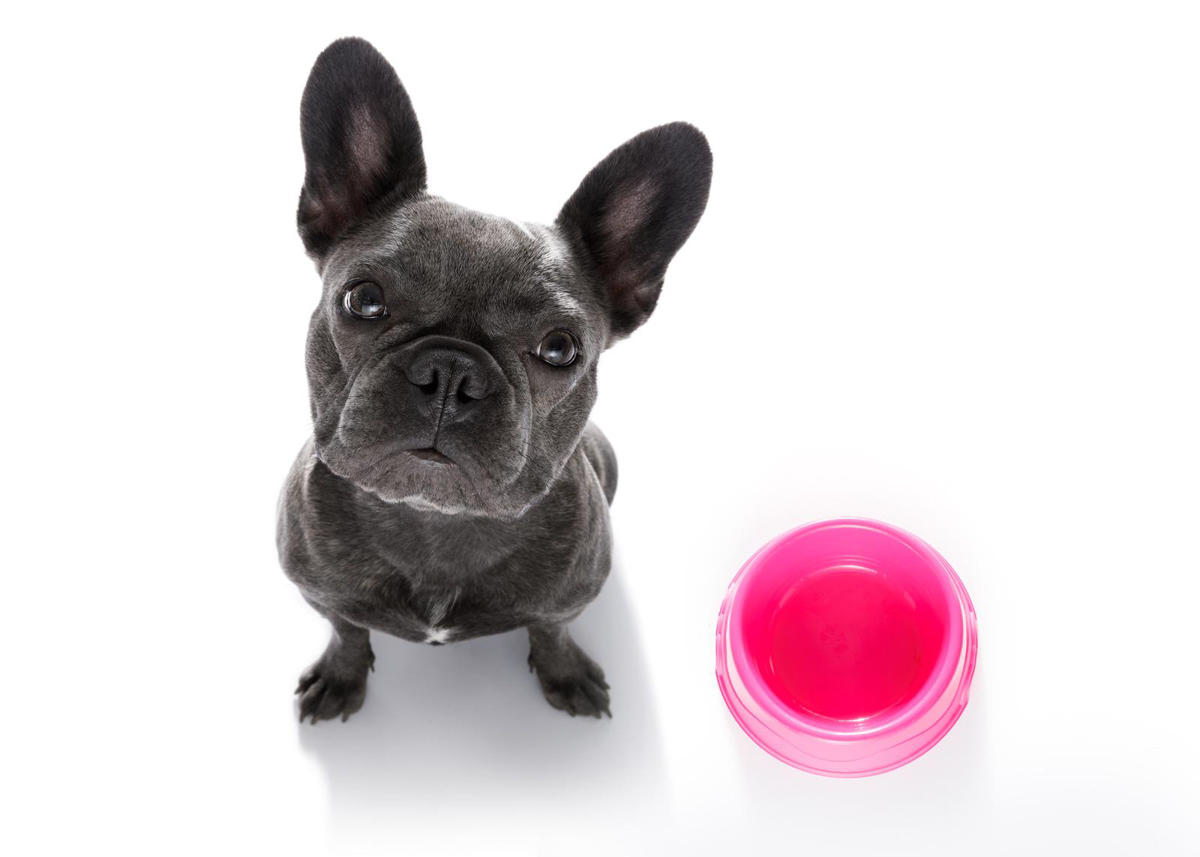

Some dogs learn very quickly that tilting their head gets a big reaction. If you laugh, praise them, or start talking in a playful voice, they connect the tilt with getting more of your attention. Over time, it becomes a go-to move to stay in the spotlight and keep the interaction going.
Compensating for Vision Issues


Dogs with certain eye conditions or limited depth perception may tilt their head to adjust their view. The new angle can help them focus more clearly on people or objects. If your dog consistently tilts their head when trying to see something, especially with one side favored, it could be tied to a visual challenge rather than curiosity.
Investigating Sounds


Not every sound makes sense right away, especially high-pitched or unusual ones. When a dog tilts their head in response to a noise, they’re breaking it down and trying to decide what it is and whether it matters. The movement helps them process tone, volume, and source, much like you would if something unfamiliar grabbed your attention.
Inner Ear Issues


A persistent or off-balance head tilt could point to a medical issue involving the inner ear. Infections or vestibular problems can interfere with a dog’s sense of balance, and the tilt becomes a way to recalibrate. If the behavior seems more constant than casual, it’s worth a trip to the vet to rule out anything serious.
Listening for Familiar Words


Your dog has a mental library of favorite words. When they hear something that sounds like walk, treat, or ball, the head tilt may mean they’re trying to confirm it. The behavior signals active listening and anticipation, especially if they expect something fun to follow.
Mimicking Human Behavior


Dogs who spend a lot of time observing their humans sometimes mimic physical actions. If you often tilt your head while speaking or reacting, your dog might start copying you. This kind of mirroring reflects their social awareness and their tendency to replicate behaviors that get positive feedback.
Enjoying the Movement


Not every head tilt needs a deep explanation. Some dogs simply enjoy the feeling or find the motion engaging. It might become a self-reinforcing habit because it feels good, gets a reaction, or becomes part of how they interact with the world around them.
Why Dogs Sleep At The Foot Of The Bed


“Why do dogs sleep at the foot of the bed?” is a question that dog owners often wonder as our furry friends seem to squeeze out all the extra space making it so we can’t stretch out in comfort at night.
The mystery surrounding this dog sleep behavior is intriguing for pet parents and dog behaviorists. We’ll look into the possible reasons behind why dogs like to rest at their owner’s feet and try to understand if there’s a psychological, instinctual or behavioral reasoning behind it.
Read it Here: Why Do Dogs Sleep At The Foot Of The Bed?
12 Dogs With Quirky Habits That Will Make You Laugh


Dogs have some of the funniest and quirkiest habits that can make anyone laugh. Certain breeds are known for their unique antics that keep their owners entertained and amused. From oddball behaviors to endearing quirks, these dogs will never fail to bring a smile to your face.
Read it Here: 12 Dogs With Quirky Habits That Will Make You Laugh
*Select images provided by Depositphotos.