


Many people dream of having a loyal, protective German Shepherd as a family guard dog, but they often don’t realize the full extent of what owning one entails. These dogs are incredibly intelligent and devoted, but their high energy levels and strong protective instincts can be overwhelming if you’re not prepared. German Shepherds require consistent training, mental stimulation, and plenty of exercise to stay happy and well-behaved. It’s important to understand these aspects before bringing one into your home. Here are some of the things to consider before deciding if the breed is right for you.


You’re Signing Up for a Lot of Daily Exercise


German Shepherds have high energy levels that don’t taper off with age. These dogs were bred for active work, which means they need more than a quick walk around the block. Long walks, structured play sessions, and regular off-leash time in secure areas are all necessary to meet their needs. If they do not get enough physical activity, they are quick to turn that extra energy into destructive behavior. Expect to build your daily routine around keeping them mentally and physically engaged.
Dog Hair Will Become a Constant Part of Your Life


German Shepherds shed heavily all year, and even more during seasonal coat changes. Their thick double coat is beautiful, but it requires regular upkeep. You will need to brush them often, vacuum frequently, and learn to accept a certain amount of fur on your clothes and furniture. No amount of grooming will completely stop the shedding, but staying on top of it makes a big difference. If you want a spotless home, this breed may test your limits.
Training Is Not Optional, It’s Essential


German Shepherds are incredibly intelligent, but that intelligence comes with a strong will. They learn quickly, but they also need clear leadership and structure. Without consistent training, they can become pushy, dominant, or anxious. Early obedience work and ongoing training are necessary to keep them well-behaved. These dogs do best with owners who are confident, patient, and fully committed to guiding them.
They Need More Than Just Physical Exercise
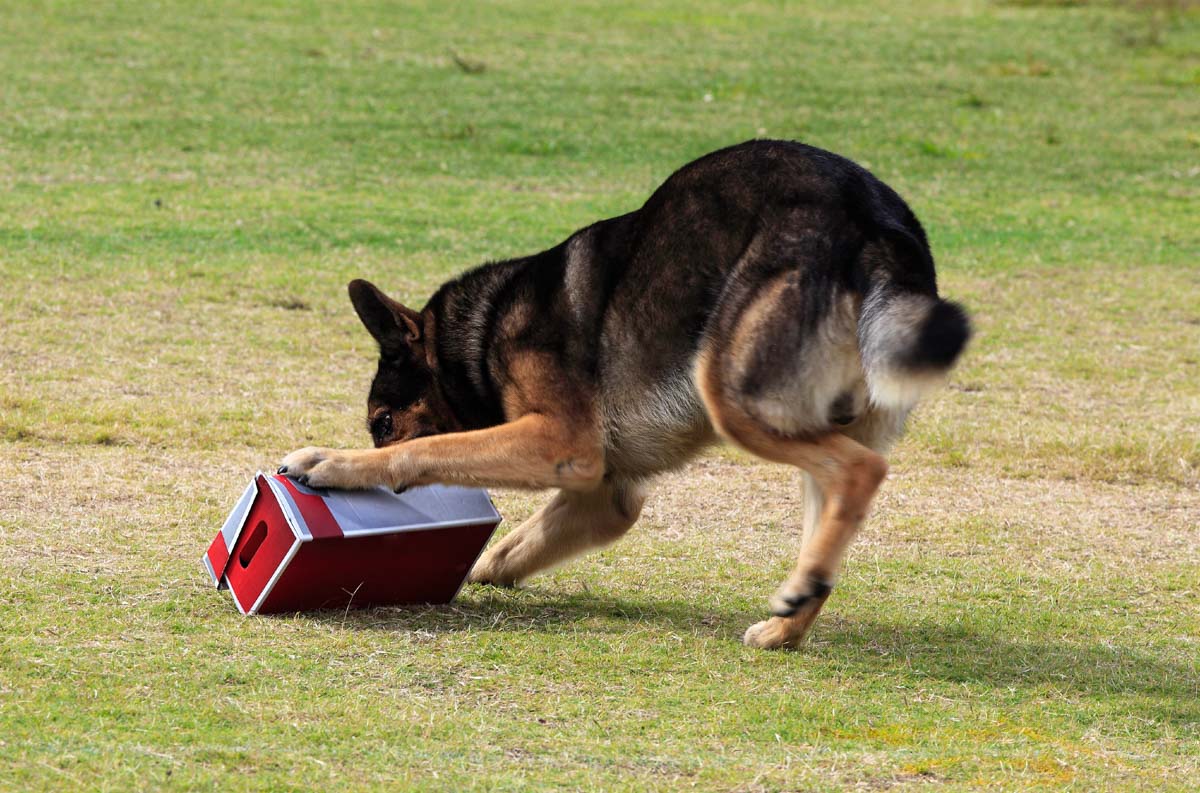

Physical activity is only half the equation. German Shepherds need daily mental stimulation to stay balanced. If they are not thinking, problem-solving, or learning, they will find ways to entertain themselves, often in ways you will not appreciate. Puzzle toys, scent games, advanced obedience, and task-based activities all help meet their mental needs. Boredom and intelligence do not mix well with this breed.
They Come with Potential Health Issues


Like many large breeds, German Shepherds can be prone to joint issues, especially hip and elbow dysplasia. They may also face digestive sensitivities and, in some cases, anxiety-related conditions. Choosing a reputable breeder who screens for common issues is important, but so is ongoing vet care. Being prepared for long-term health management should be part of your commitment from the beginning.
They Are Naturally Protective, Sometimes Too Much


German Shepherds are wired to protect their people, and that instinct kicks in fast. Without proper socialization, this protective nature can turn into reactivity or aggression toward strangers or other animals. They need early and consistent exposure to different environments, people, and situations. Teaching them when to relax and when to be alert is part of owning this breed responsibly.
You’ll Need to Teach Them How to Be Alone


Their loyalty is unmatched, but it can also lead to issues like separation anxiety. Many German Shepherds struggle when left alone for long periods, especially if they have not been trained to tolerate it. You will need to work on independence early, using tools like crate training, puzzle toys, and short practice sessions. Teaching them to be calm without constant attention is just as important as teaching basic commands.
They Might Not Be the Best Fit With Other Pets


Some German Shepherds can live peacefully with other animals, but others have a strong prey drive or dominant tendencies. Their interactions with other pets, especially smaller ones, should be supervised and introduced gradually. Early socialization helps, but it does not guarantee compatibility. You will need to be honest about your dog’s temperament and the dynamic in your home before adding other animals.
They Thrive When Given a Purpose
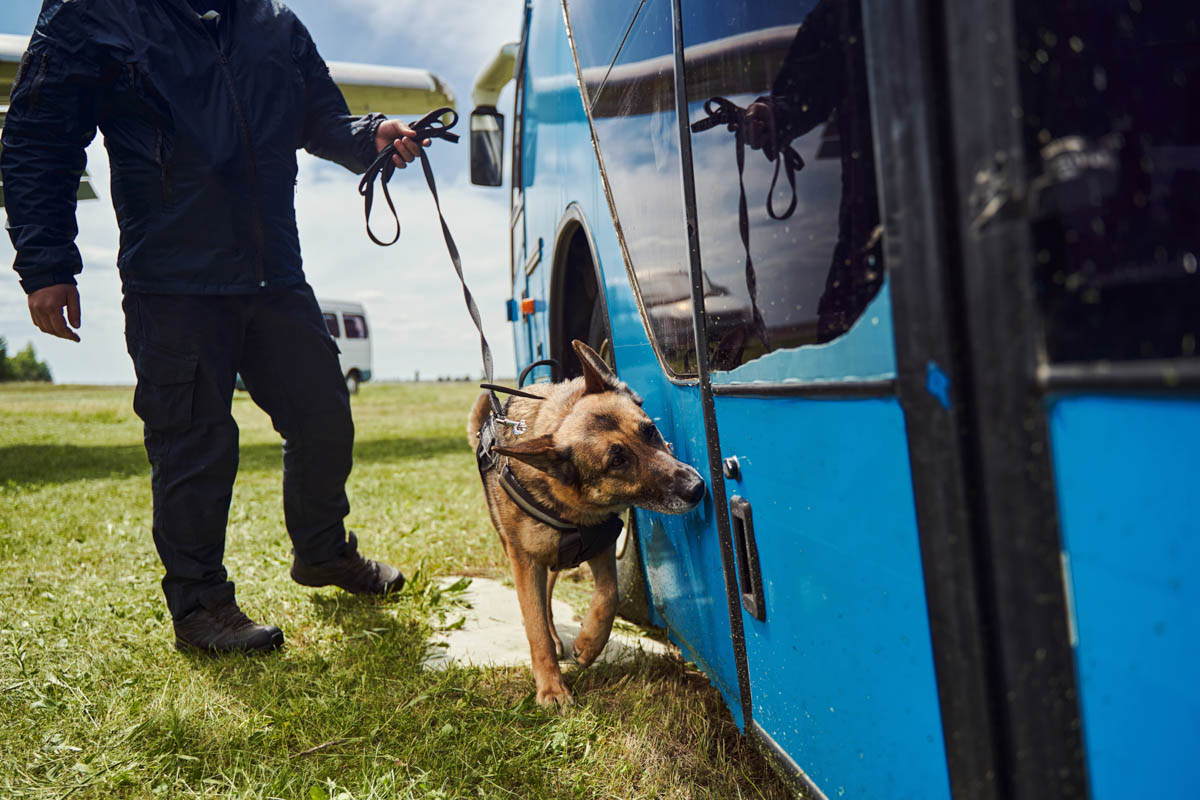

German Shepherds are not content just lounging around. They were bred to work and feel their best when they have a clear role or responsibility. This can include anything from learning advanced obedience to participating in tracking, agility, or scent work. Giving them a job is not just about burning energy. It gives them structure, confidence, and a deeper connection with you.
They Will Let You Know How They Feel, Loudly
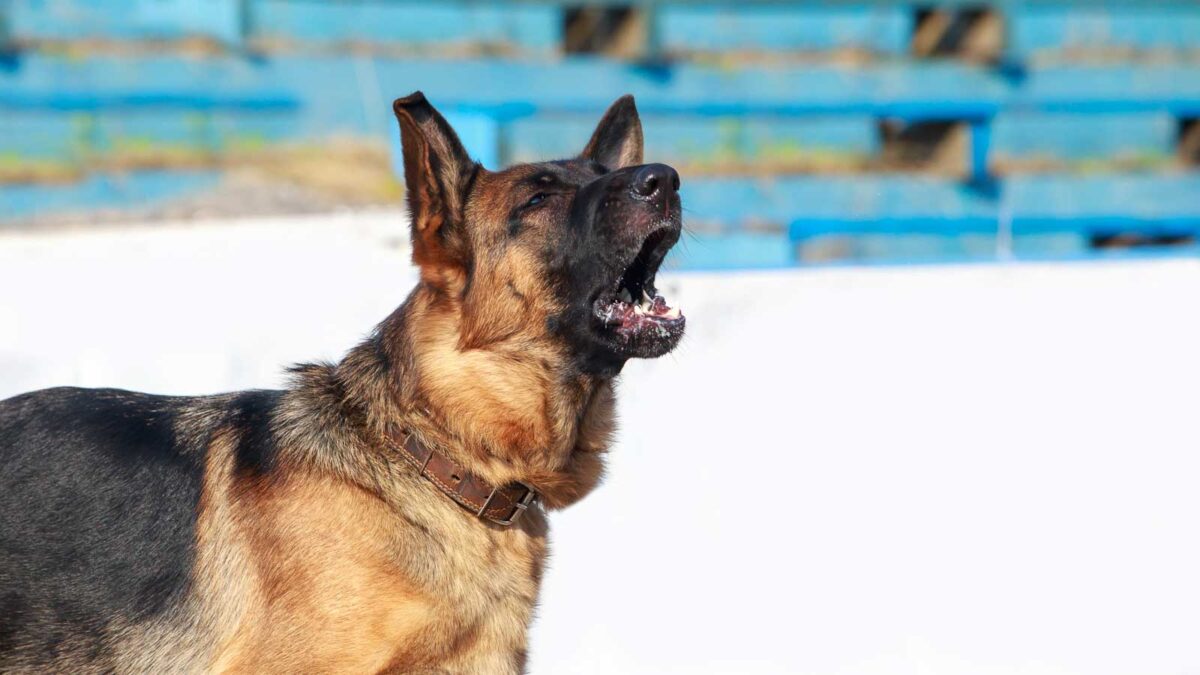

This breed is known for being vocal. They bark to alert, to communicate, and sometimes just because they can. While their voice can be useful for guarding, it can also become disruptive if not managed. Teaching them when barking is appropriate and reinforcing quiet behavior early on will help avoid constant noise. If you value a quiet home, you will need to train for it intentionally.
12 Dogs Whose Bites Pack the Biggest Punch
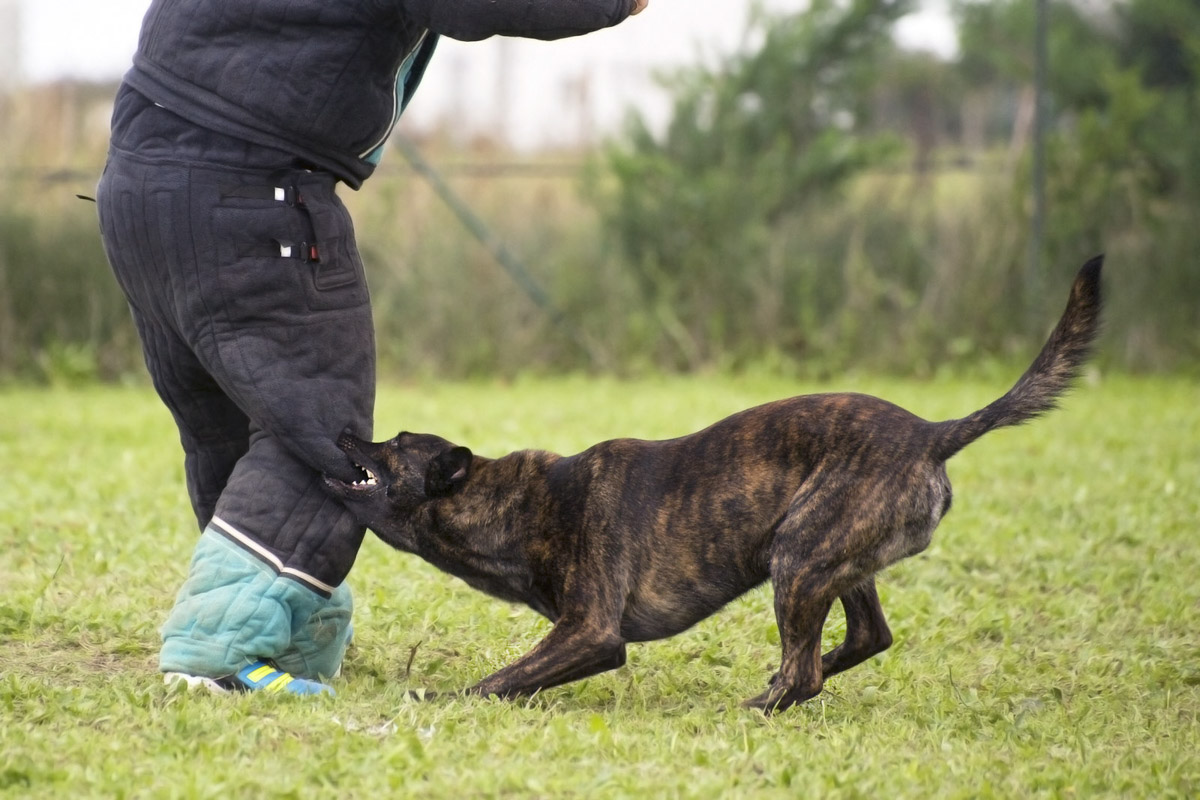
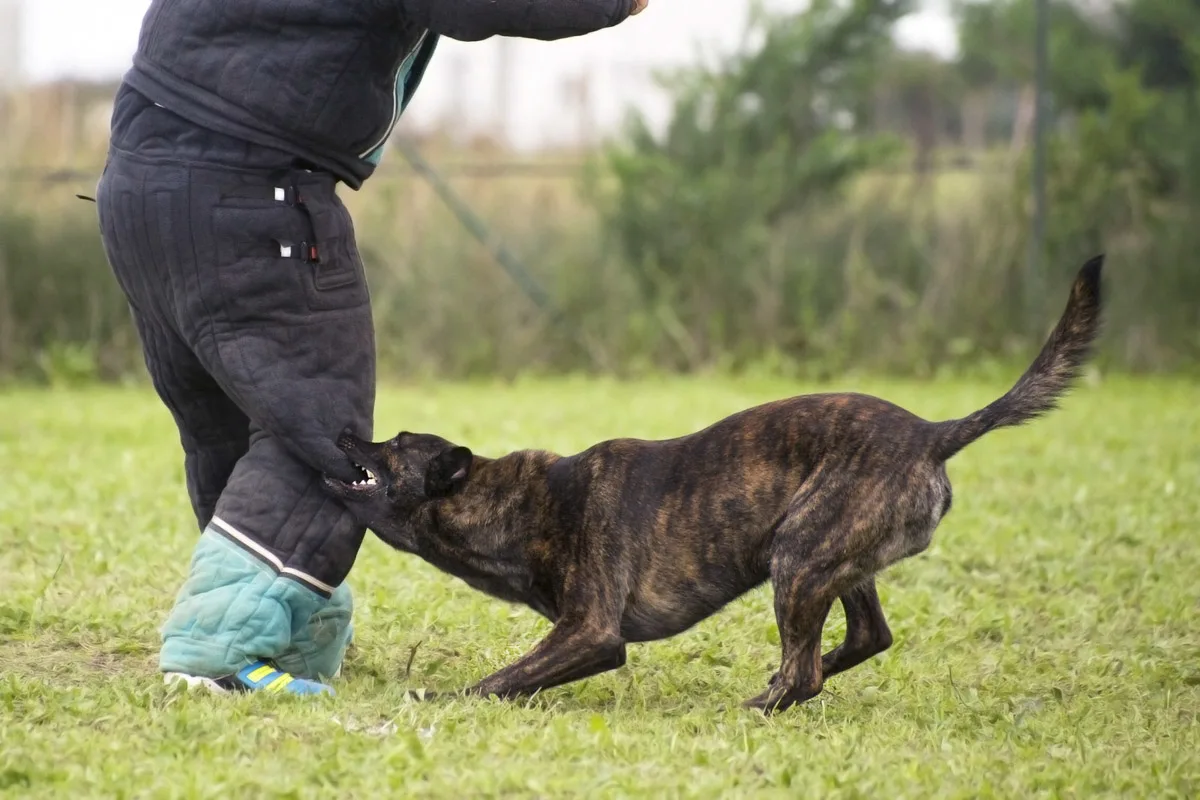
Some dogs have a bite force that means serious business. These powerful breeds are known for their strong jaws and protective instincts. While they can be loyal and loving, their bite strength is something to respect. These powerful biters are breeds that you really don’t want to mess with.
Read it Here: 12 Dogs Whose Bites Pack the Biggest Punch
13 Dog Breeds That Are Natural Born Protectors

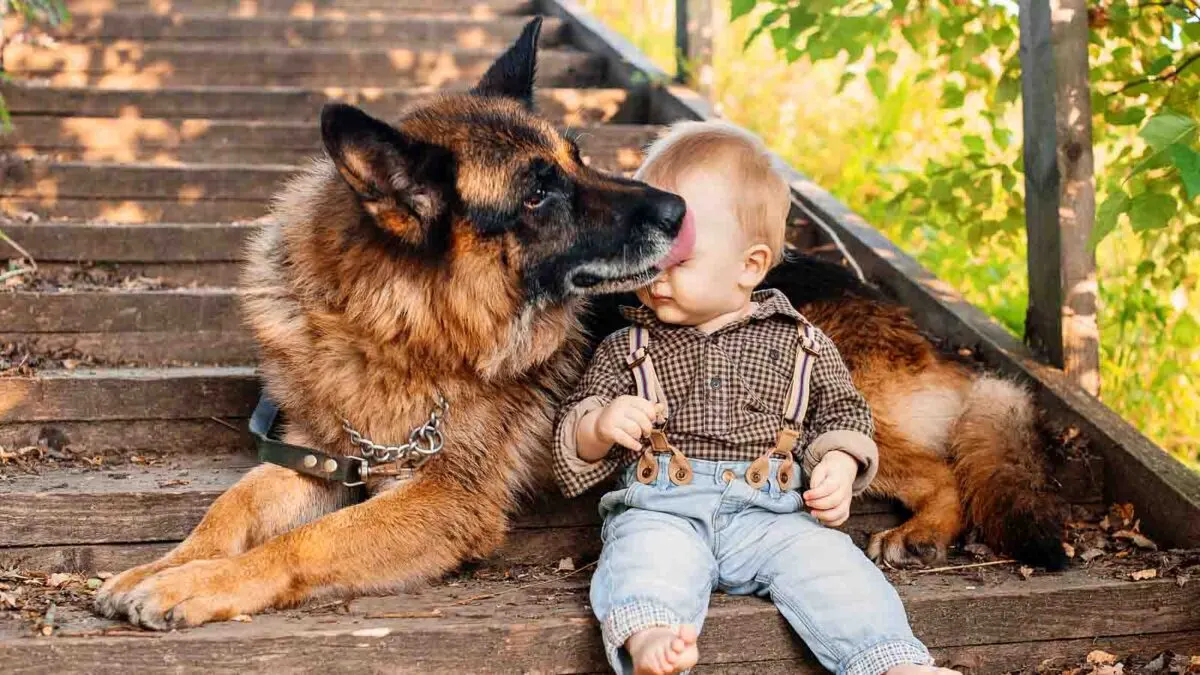
When it comes to protection, some dog breeds stand out for their natural guarding instincts and loyalty. These breeds are known for their dedication to keeping their families safe, always ready to jump into action if needed. Whether it’s their size, strength, or sheer presence, these dogs have the traits that make them excellent protectors.
Read it Here: 13 Dog Breeds That Are Natural Born Protectors
*Select images provided by Depositphotos.