


Dogs aren’t great at letting us know when something’s wrong. They don’t complain, they don’t point to the problem, and they definitely don’t ask for help the way we do. Instead, they rely on more subtle cues—some of which are easy to overlook. That’s why so many signs of pain go unnoticed until things get serious. Knowing what to watch for can make all the difference in catching a problem before it gets worse.


Changes in Posture


A hunched back, tucked tail, or stiff movement can indicate discomfort. Dogs may shift their weight oddly, avoid sitting or lying in certain positions, or even stand with an arched back. Sudden changes in how they carry themselves—like keeping their head lower or distributing their weight unevenly—are key indicators of pain, especially in their joints, back, or abdomen.
Sudden Aggression or Irritability
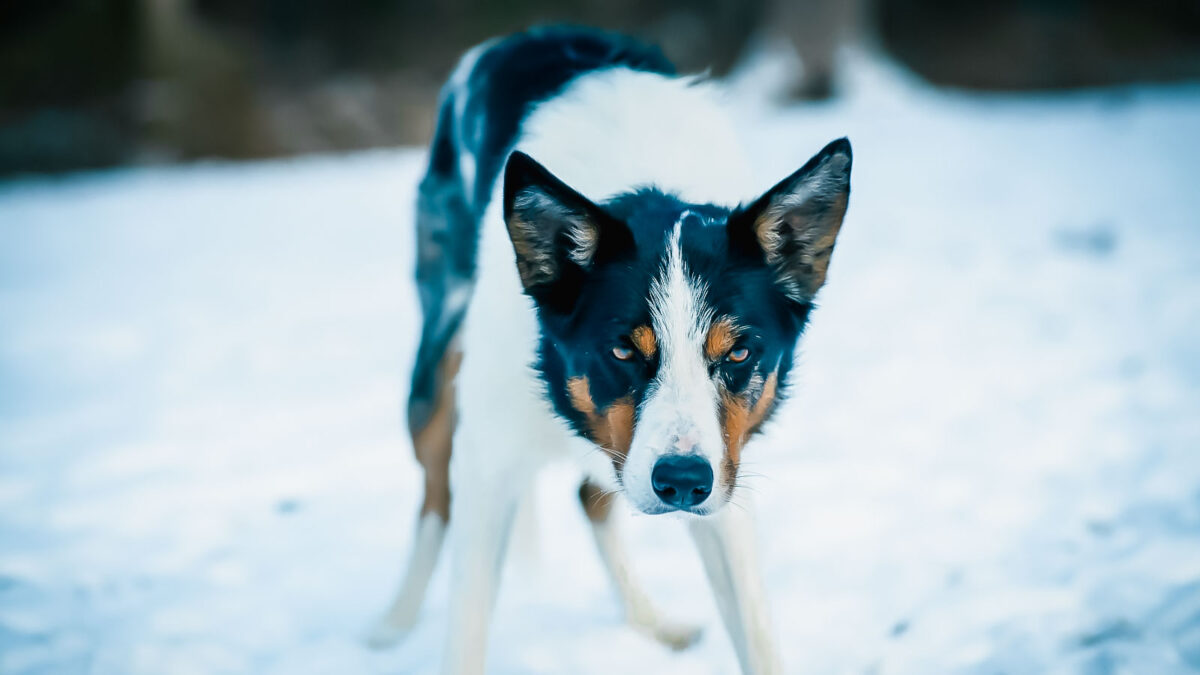

A friendly dog that suddenly growls, snaps, or avoids being touched isn’t just “acting out”—they might be in pain. Even the most social dogs can become defensive when something hurts. They may flinch or react negatively to petting, especially if the pain is localized in a certain area. This is particularly common in older dogs or those with arthritis.
Excessive Licking or Chewing


Dogs instinctively lick or chew painful areas, similar to how humans rub a sore spot. This can indicate joint pain, an injury, or even internal discomfort, like an upset stomach. Over time, excessive licking can lead to hair loss, raw skin, or infections, especially around paws, joints, or surgical scars. If a dog fixates on one area, it’s worth checking for wounds, swelling, or underlying health issues.
Loss of Appetite


A dog that refuses meals or eats significantly less than usual could be experiencing pain. Oral pain from dental disease, broken teeth, or gum inflammation can make chewing uncomfortable. Internal pain—such as gastrointestinal issues, kidney disease, or nausea—can also cause appetite loss. If a dog normally loves food but suddenly turns it down, it’s a red flag that something isn’t right.
Reluctance to Move or Exercise


A dog in pain may hesitate to jump, climb stairs, or even stand up from a resting position. You might notice them lagging behind on walks, refusing to play, or avoiding activities they usually enjoy. Arthritis, muscle injuries, or neurological issues can make movement difficult. If your dog suddenly seems stiff in the mornings or after resting, joint pain could be the culprit.
Unusual Panting or Heavy Breathing


Panting is normal after exercise or in warm weather, but excessive panting when a dog is at rest can signal pain, stress, or an underlying medical condition. Heavy breathing may indicate discomfort in the chest, heart disease, or even an internal injury. If panting is accompanied by restlessness, drooling, or lethargy, immediate veterinary attention may be needed.
Whining, Whimpering, or Unusual Vocalizations


Dogs communicate discomfort through vocalizations. If your dog is whining, whimpering, yelping, or grunting more than usual—especially when moving or being touched—it’s a sign that something hurts. Some dogs may even growl or sigh repeatedly as a way of expressing distress. Pay attention to when and how often they vocalize, as it may provide clues about the pain’s source.
Hiding or Avoiding Interaction


A typically social dog that suddenly isolates itself or hides under furniture may be in distress. Dogs in pain often retreat to quiet areas to avoid interaction, as movement and handling might aggravate their discomfort. They may also become less responsive to their name, avoid eye contact, or refuse to engage in normal routines. This behavior is often seen in cases of chronic pain or illness.
Frequent Shaking or Trembling


Trembling, shivering, or muscle spasms can indicate internal pain, nausea, or even neurological issues. While some small breeds naturally shake, persistent trembling in any dog could signal discomfort from arthritis, poisoning, or metabolic disorders. If shaking is accompanied by lethargy or vomiting, a vet visit is crucial.
Changes in Sleeping Patterns


Sleeping more than usual, difficulty finding a comfortable position, or frequent repositioning during rest can signal pain. Dogs experiencing discomfort may wake up frequently, shift around in bed, or avoid lying on certain sides. Pain-related sleep disturbances are especially common in aging dogs or those with joint issues. If your dog is unusually restless at night, underlying pain could be a factor.
Altered Grooming Habits


Dogs in pain may neglect grooming, leading to a dull coat, dandruff, or matted fur. Conversely, they may obsessively lick or chew at painful areas, sometimes creating bald spots or irritated skin. If your dog suddenly stops grooming or overdoes it, look for signs of pain in the affected areas, such as swelling, redness, or sensitivity.
Restlessness or Pacing


A dog that can’t seem to settle down, paces constantly, or frequently changes positions may be struggling to get comfortable due to pain. Restlessness often accompanies conditions like arthritis, gastrointestinal discomfort, or internal inflammation. If your dog normally relaxes but suddenly seems uneasy or can’t sit still, something may be wrong.
Squinting or Changes in Eye Appearance


Squinting, excessive tearing, or changes in eye clarity (such as cloudiness or redness) can indicate pain, especially in or around the eye. Dogs with eye pain may also rub their face against furniture, paws, or the floor. Eye infections, corneal ulcers, or even migraines can cause significant discomfort, requiring veterinary attention.
Can Your Dog Make You Sick? 15 Diseases They Can Pass To Humans


Your dog might not give you the common cold, but there are still a few illnesses they can pass along. From bacterial infections to parasites, there are several diseases that can be transmitted from dogs to humans. While some are rare and others more common, it’s important to be aware of the risks. Fortunately, most can be prevented with good hygiene practices and regular vet care. Here are some of the diseases that dogs can share with their owners—and what you can do to avoid them.
Read it Here: Can Your Dog Make You Sick? 15 Diseases They Can Pass To Humans
13 Ridiculous Reasons Dogs Land In The Vet’s Office


Dogs have an unmatched talent for turning the everyday into a full-blown emergency. One minute they’re sniffing around like innocent little angels, the next they’ve swallowed something that should absolutely never be ingested. You’d think they’d learn, but nope—every trip to the vet feels like a new episode of “What Did You Do This Time?” From bizarre snack choices to accidental misadventures, there’s no limit to the chaos they can cause.
Read it Here: 13 Ridiculous Reasons Dogs Land In The Vet’s Office