

Some dogs make you feel at ease around them right away. They approach people calmly, stay close without crowding you and seem genuinely interested in every person they meet. That kind of social confidence can change how people feel around dogs, especially if you’re typically unsure or nervous. While personality varies from dog to dog, certain breeds are consistently friendly, patient and people focused. They read body language well, adapt to different households and settle into social situations without much tension.


Golden Retriever


Golden Retrievers are widely known for their steady temperament and easygoing attitude toward people. They’re patient with kids, tolerant of chaos and rarely react defensively in new situations. Visitors usually get a relaxed greeting instead of suspicion, which makes them feel approachable even to people who don’t spend much time around dogs. Goldens also tend to mirror the energy around them, so they can shift from playful to calm without much effort. That flexibility is a big reason they’re often recommended as family dogs.
Labrador Retriever


Labradors bring an outgoing personality that feels welcoming instead of overwhelming. They want to participate in daily life, from errands to lazy afternoons on the couch, and they assume new people are part of the plan. Their trainability helps reinforce polite social behavior, which makes those interactions smoother over time. Labs also recover quickly from excitement, so they don’t hold tension in unfamiliar settings. Many owners say their Lab treats every introduction like a chance to make a new friend.
Cavalier King Charles Spaniel


Cavaliers are heavily into companionship. They prefer being close to their people and often extend that same openness to guests and other pets. Their size makes them less intimidating, but their temperament does most of the work. They move through social situations slowly, check in often and rarely push boundaries. That combination helps people relax because the interaction never feels forced.
Bichon Frise


Bichons carry a cheerful, social energy that translates well in busy households. They like attention and tend to assume positive interactions, which can help break the ice with hesitant visitors. Their playful side shows up in small bursts rather than constant intensity, so they’re easier to be around for long stretches. Many owners describe them as dogs that circulate through a room making quiet connections with everyone.
Beagle


Beagles are wired for group living, so they naturally gravitate toward people and other animals. Curiosity drives most of their behavior, which makes introductions feel exploratory rather than cautious. They’re expressive and a little goofy, which lowers the pressure in social settings. Even people who aren’t “dog people” often respond to that openness. Their pack mindset means they’re comfortable folding new faces into their world.
Irish Setter


Irish Setters bring enthusiasm without much guardedness. They’re affectionate, physically expressive and quick to include people in whatever they’re doing. Active families tend to appreciate how social that energy is, especially outdoors where Setters thrive. They bond strongly with their households but don’t reserve friendliness for a small circle. Most interactions start with excitement and settle into steady companionship.
Newfoundland


Newfoundlands show how size doesn’t always equal intensity. Their calm pacing, soft responses and strong nurturing instincts make them feel safe to be around despite their presence. They’re known for patience with children and a tendency to stay close rather than roam. Guests often notice how gently they move through shared spaces.
Poodle


Poodles combine intelligence with social awareness. They pay attention to people, pick up on routines and adjust their behavior faster than many breeds. That awareness makes interactions feel smoother because they respond to cues instead of escalating excitement. Across sizes, they maintain a friendly baseline and integrate easily into different lifestyles. Their versatility plays a big role in their reputation for approachability.
Shih Tzu


Shih Tzus were bred for companionship and it shows in how they interact with people. They prefer proximity, enjoy quiet attention and rarely bring urgency into social moments. Visitors often get a gentle greeting followed by an immediate attempt to settle nearby. Their lower energy helps create a relaxed atmosphere that works well for apartments and busy homes alike. They tend to make themselves part of the group quickly.
Border Collie


Border Collies form deep bonds and stay highly engaged with their households. Their friendliness shows up through attentiveness more than physical affection. They watch, anticipate and participate, which can make people feel seen in a way that stands out. With enough mental and physical outlets, they handle new people with curiosity instead of hesitation. Their loyalty doesn’t prevent them from being welcoming.
Boxer


Boxers bring a playful honesty that people respond to right away. They’re expressive, affectionate and often lean into physical closeness with the people they trust. That energy can feel lively, but it’s typically rooted in connection rather than anxiety. Many Boxers maintain a puppy like openness well into adulthood, which keeps interactions light. Their protective instincts exist alongside a strong social side.
Cocker Spaniel


Cocker Spaniels balance sensitivity with friendliness. They notice tone and body language, which helps them approach new situations carefully without withdrawing. Their affectionate nature shows up in small gestures like staying nearby or checking in frequently. Families often describe them as dogs that want everyone comfortable before fully settling themselves. That emotional awareness builds strong relationships over time.
Collie


Collies carry a reputation for loyalty that extends into everyday interactions. They tend to monitor their environment, but their responses lean gentle rather than reactive. Many Collies enjoy being involved in family routines and treat guests as part of that rhythm. Their intelligence supports calm introductions and consistent behavior. People often feel reassured by their steady presence.
French Bulldog
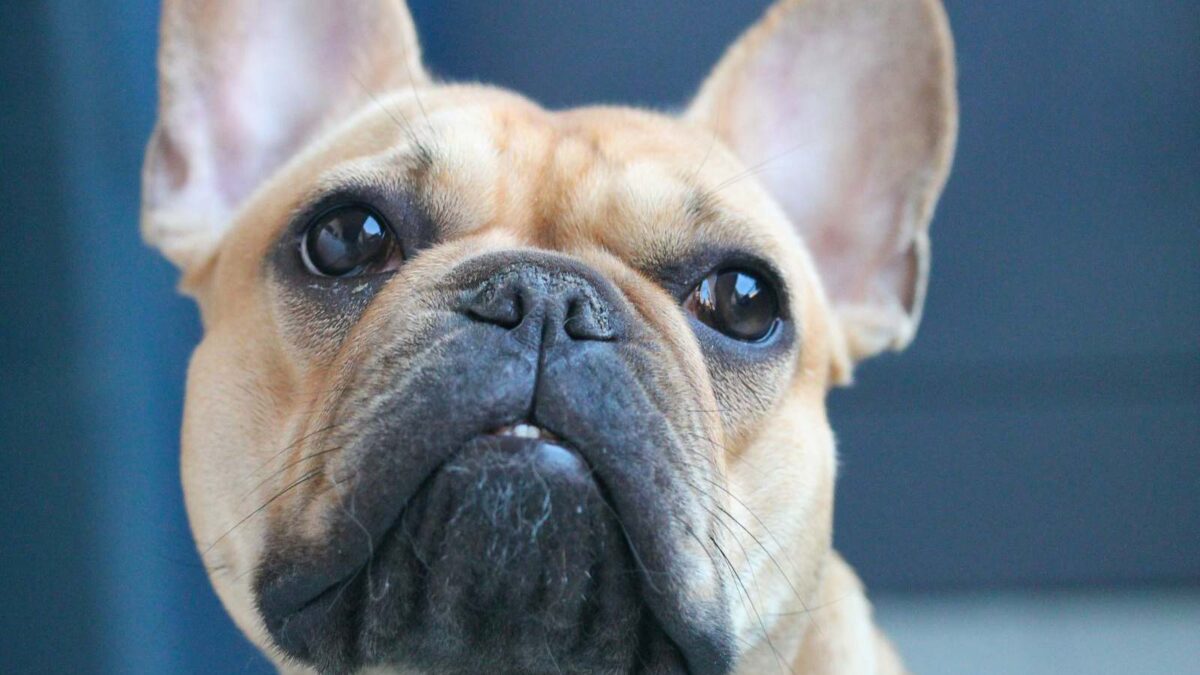

French Bulldogs connect through proximity. They want to be near people, follow movement around the house and participate without needing constant activity. Their compact size and expressive faces make them approachable, even for hesitant visitors. They adapt easily to different social settings, from busy gatherings to quiet evenings.
Samoyed


Samoyeds project friendliness through body language alone. Their relaxed posture, social curiosity and constant engagement with people create easy interactions. They enjoy attention and tend to seek it out in ways that feel inviting instead of demanding. Families appreciate how well they integrate into group dynamics, especially with kids and other pets.
10 Dog Breeds That Aren’t As Family-Friendly As Everyone Thinks


Not every dog breed with a cute face and a good reputation is a perfect fit for family life. While some breeds are marketed as great for kids and homes, the reality can be a bit different. From boundless energy to stubborn independence, some dogs bring more challenges than cuddles. Before you bring home a pup that looks family-friendly, it’s worth knowing which breeds might come with more than you bargained for.
Read it Here: 10 Dog Breeds That Aren’t As Family-Friendly As Everyone Thinks
12 Dog Breeds That Look Scary But Are Actually Sweethearts


Some dog breeds have a reputation for looking intimidating, but don’t let their appearances fool you. Many of these so-called “scary” dogs are actually big softies at heart. These breeds are often misunderstood due to their tough looks. In reality, with the right training and socialization, they can be some of the most affectionate and loyal companions around.
Read it Here: 12 Dog Breeds That Look Scary But Are Actually Sweethearts