


So, you think you’re ready for one of these dogs? Well, hold your leash, because these breeds aren’t just pets—they’re lifestyle choices. These dogs will turn your life upside down, inside out, and probably have you Googling “how to return a dog.” These high-energy, high-maintenance pups don’t just want your time—they demand it. If you’re up for constant chaos and an exercise routine that rivals a marathoner’s, then read on.


Border Collie


If dogs had resumes, the Border Collie’s would read “workaholic.” These dogs are insanely smart and need a job to do—preferably one that keeps them busy all day. Without mental and physical stimulation, they’ll find their own “job,” which usually involves rearranging your home or outsmarting you. Not for the faint of heart, Border Collies demand constant activity and attention. Think you’re ready? You better be prepared to keep up!
Belgian Malinois


The Belgian Malinois is like a Border Collie on caffeine. Known for their roles in police and military work, these dogs need serious exercise, training, and mental challenges. They thrive on discipline and are always ready to go, go, go. If you’re not an active person or don’t have the time to commit to their needs, they’ll quickly become bored and destructive. These dogs demand more than just love—they need a mission.
Siberian Husky


Huskies are stunning, but their looks come with a catch. They’re notorious escape artists with endless energy and a stubborn streak that’ll leave you questioning who’s in charge. They require constant exercise, mental stimulation, and an owner who can handle their independent nature. If you’re not up for daily runs and a bit of doggy drama, a Husky might be more than you bargained for.
Australian Shepherd

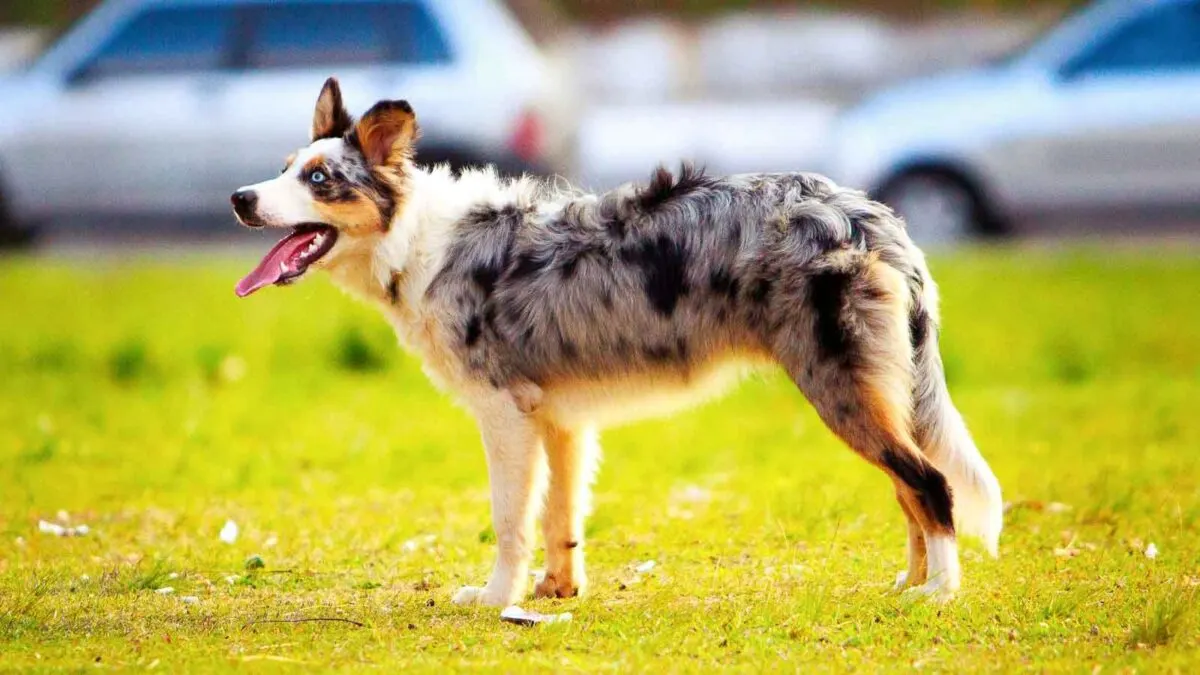
Aussie Shepherds are the life of the party—and they want the party to last all day. These dogs are packed with energy and need a ton of exercise and mental stimulation to stay happy. They’re brilliant, which means they’ll outsmart you if you’re not careful. Boredom isn’t just an option for Aussies—it’s a disaster waiting to happen. If you can’t keep them busy, they’ll find their own entertainment, and you probably won’t like it.
Jack Russell Terrier


Don’t let their small size fool you—Jack Russells are tiny dynamos with an energy level that could fuel a rocket. These dogs are all about action, and they need a lot of it. They’re independent thinkers who won’t hesitate to take charge if you’re slacking. Without proper training and exercise, they can become a whirlwind of chaos. If you’re ready to be constantly on your toes, a Jack Russell might be your perfect match.
German Shepherd


German Shepherds are loyal, intelligent, and protective—but they’re also demanding. These dogs require extensive training, socialization, and plenty of physical activity to thrive. Their strong work ethic means they need a purpose, and without one, they can become bored and potentially problematic. Owning a German Shepherd isn’t just a commitment; it’s a full-time job.
Akita


Akitas are beautiful and fiercely loyal, but they’re not for the inexperienced. These dogs are independent, stubborn, and can be aloof with strangers. They require firm, consistent training and a confident owner who can handle their strong-willed nature. Akitas need socialization from an early age to prevent them from becoming overly protective or aggressive. If you’re up for the challenge, they’ll reward you with unwavering loyalty—but they won’t make it easy.
Weimaraner


Weimaraners are sleek, energetic, and always ready for adventure. But with all that energy comes a dog that requires serious exercise and mental stimulation. They’re known for being clingy, often earning the nickname “Velcro dogs” because they never want to leave your side. If you can’t dedicate time to daily physical activity and companionship, a Weimaraner will quickly become frustrated and may develop separation anxiety or destructive behaviors.
Rottweiler


Rottweilers are powerful, intelligent, and protective, but they’re also demanding. These dogs need firm, consistent training and early socialization to ensure they’re well-behaved and friendly. Rottweilers have a natural guarding instinct, so they require an owner who can provide leadership and boundaries. Without proper guidance, they can become overly protective or even aggressive. Rottweilers are a serious commitment and require an experienced hand.
Vizsla


Often called “Velcro dogs,” Vizslas are known for their strong attachment to their owners. They crave attention, exercise, and mental stimulation, and they’re not fans of being left alone for long periods. If you’re not ready to have a shadow that follows you everywhere, a Vizsla might not be the best fit. Their high energy levels and need for constant companionship make them a demanding breed that requires a lot of time and dedication.
Dogo Argentino


The Dogo Argentino is a powerful, fearless breed originally bred for big game hunting. While they’re incredibly loyal and protective, they’re not for novice owners. These dogs require consistent, strong leadership and early socialization to ensure they’re well-adjusted and well-behaved. They need plenty of exercise and mental challenges to prevent boredom, and they can be very territorial. Owning a Dogo Argentino is a serious responsibility that requires dedication and experience.
12 Dog Breeds That Are Hardest To Socialize


Not all dogs are social butterflies. Some breeds just don’t play nice with others, making socialization a real challenge. Whether it’s their stubborn streak, independent nature, or protective instincts, these dogs need extra effort to get along with new friends. If you’ve ever wondered why your pup isn’t the life of the dog park, this list might explain it.
Read it Here: 12 Dog Breeds That Are Hardest To Socialize
12 Dog Breeds with the Most Behavioral Problems


Some dogs come with a whole set of behavioral traits that can test even the most patient owner. From constant barking to destructive tendencies, these breeds can be challenging to manage. If you’re considering one of these dogs, it’s important to be prepared for their unique issues.
Read it Here: 12 Dog Breeds with the Most Behavioral Problems