

Some people put more thought into what they’re making for dinner than the dog they’re about to spend the next decade with. It happens more often than you’d think, and it’s usually because choosing a dog feels exciting in the moment. But that excitement can fade fast if the breed doesn’t fit your day-to-day life. I’ve watched plenty of well-meaning owners end up overwhelmed simply because they didn’t slow down and look at the practical stuff. Understanding what really matters before you bring a dog home is key to setting yourself up for a match that feels right for both you.


Not thinking about daily energy


People often picture the fun moments of owning a dog and forget what the rest of the day looks like. Some dogs thrive on long outings, mental games, and steady activity, and they struggle if their routine stays slow. Others are happiest with short walks and quiet time. If you skip this part of the decision, you can end up with a dog who is restless while you are tired or a dog who seems disengaged while you want to stay active. Being honest about your lifestyle makes the match much easier for both of you.
Overlooking how much space a dog really uses


A dog’s size is only one piece of the puzzle. A small dog with endless curiosity can feel cramped in a tight home, while a big relaxed breed may fit into an apartment more easily than expected. What matters is how your dog moves, plays, and rests throughout the day. When people decide based only on height and weight, they often miss the way a dog truly fills the home.
Choosing a dog because of looks


It is tempting to fall for a cute face or a beautiful coat, but appearance tells you nothing about what living with that dog will be like. Some striking breeds need near constant mental stimulation, some are naturally strong willed, and others shed more than you ever imagined. If you skip the personality and lifestyle side of things, you might find the day-to-day reality feels nothing like the picture that originally won you over.
Not preparing for coat upkeep


Coat care is one of the biggest surprises for new dog owners. Long and dense coats need regular brushing, tools, and sometimes professional grooming. Even short coats can shed heavily or need attention during seasonal changes. Skipping this research means you may end up overwhelmed by mats, shedding, or the ongoing cost of grooming appointments.
Skipping health research


Every breed has patterns when it comes to health. Some are prone to joint issues, others to breathing trouble, skin sensitivities, or eye problems. Learning about these possibilities upfront helps you understand long-term needs and medical costs. Many people do not ask these questions until they are already dealing with appointments, medication, or limits on what their dog can comfortably do.
Assuming all dogs enjoy children


Dogs vary widely in what kind of household they feel comfortable in. Some genuinely love the noise and unpredictable nature of kids. Others prefer calm spaces and predictable routines. Picking a dog without thinking about this can create stress for everyone involved. A good match comes down to temperament, not hopeful assumptions.
Forgetting about lifespan differences


Some breeds tend to live well into their teens while others age more quickly. This isn’t something anyone likes to dwell on, but it matters when you are thinking about the future. Lifespan affects how long you can expect to share your life with that dog and what their senior years might require from you.
Ignoring climate comfort


Coats are designed for certain environments. A thick double coat stays comfortable in cold weather but can make hot climates challenging. Thin coats struggle in winter unless you’re prepared to help them stay warm. Overlooking this reality can lead to a dog who is uncomfortable for half the year, which means you’ll need to adjust routines accordingly.
Not considering allergies at home


Allergies play a major role in choosing a dog but are often overlooked in the excitement of picking a breed. Some dogs shed heavily, some produce more dander, and some simply aggravate sensitivities more than others. Ignoring this can create long-term discomfort for someone in the house and a stressful environment for the dog.
Downplaying natural instincts


Every breed comes with behaviors that developed long before couches and dog parks existed. Herding, digging, chasing, and guarding instincts do not simply disappear in a home setting. If you choose a dog without recognizing those built-in drives, you may feel confused when they start acting on them. Understanding instincts helps you guide their behavior instead of battling it.
Expecting training to be effortless
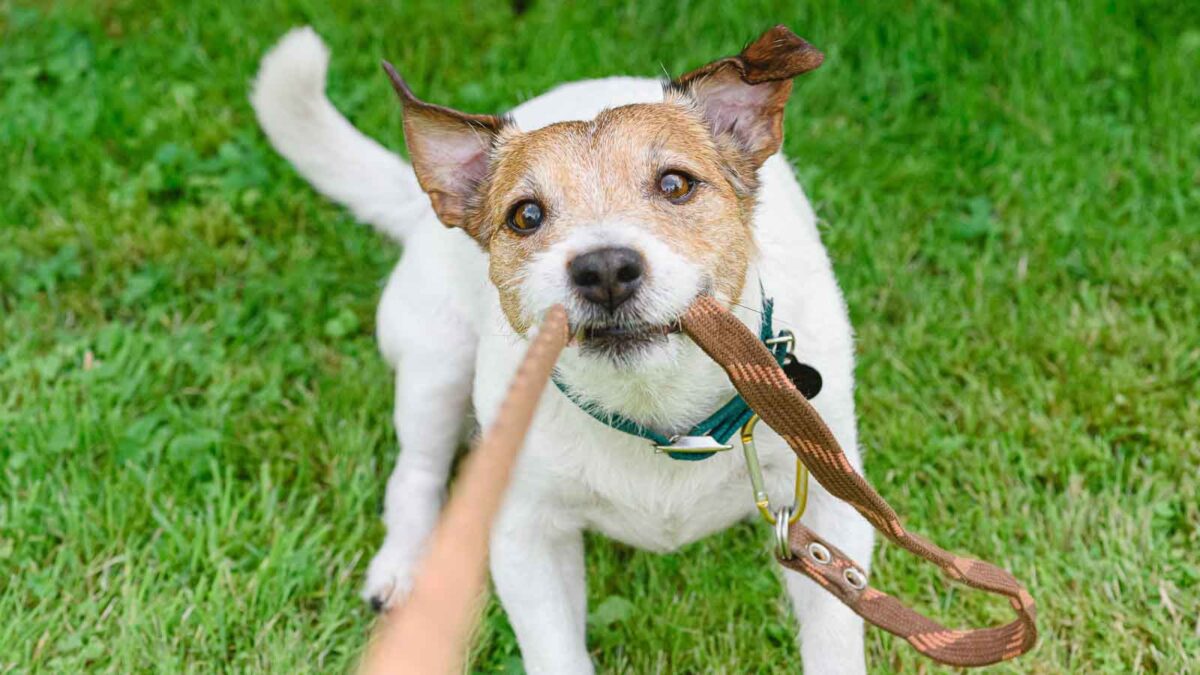

Some dogs pick up cues quickly and love direction. Others need patience, structure, and consistent practice from day one. First-time owners often underestimate how much work certain breeds require during training. When expectations do not match reality, frustration builds on both sides. It is much easier to choose a breed whose learning style fits your own.
Picking a dog because it’s popular


Trends in dog breeds come and go, but the daily needs of that breed remain the same. A dog that appears everywhere on social media might not suit your routine, space, or expectations. Many owners discover this once the puppy stage fades and the real work of adulthood begins. Popularity rarely reflects compatibility.
Assuming small dogs are simpler


Smaller dogs often get labeled as low-maintenance, but many have bold personalities, strong preferences, and plenty of energy. Size doesn’t determine how much attention, training, or exercise they need. Thinking they’re automatically easier can lead to mismatched expectations and a frustrated household.
Underestimating exercise requirements


Exercise goes far beyond walks. Some dogs need running, scent work, puzzles, or structured play to feel settled. Without enough outlets, even gentle breeds can become restless. When people guess instead of researching, they often end up surprised by how much daily commitment their dog needs to stay happy.
Not learning about breed temperament


Every breed has traits that tend to show up across individuals. Some are independent, some are affectionate, some are vocal, and some value routine above all else. Skipping this part of the research is one of the main reasons people feel blindsided by their dog’s behavior. Understanding temperament helps you choose a dog who fits your home and personality.
Are You Guilty Of These 10 Dog Care Mistakes?


Owning a dog is rewarding, but it’s easy to slip into some bad habits that can affect your furry friend’s well-being. Many of us make mistakes without even realizing it, from overfeeding to neglecting daily dental care. This article sheds light on the common blunders dog owners unknowingly make. Read on to ensure you’re providing the best care for your canine companion.
Read it Here: Are You Guilty Of These 10 Dog Care Mistakes?
10 Dog Breeds Everyone Gets Wrong


It’s easy to fall for stereotypes, especially when it comes to dog breeds. But the truth is, many of the breeds we think we know have personalities and behaviors that are completely different from what’s commonly believed. In this article, we’re clearing the air on ten dog breeds that are often misunderstood. From the fiercely loyal Rottweiler to the laid-back Greyhound, your assumptions may be challenged and your heart won over by these surprising canines.
Read it Here: 10 Dog Breeds Everyone Gets Wrong
*Select images provided by Depositphotos.